SIGN IN
 REGISTER


The Knowledge > How To Build Muscle >
Thursday, 17th September 2026
Why a Weekly Body-Part Split Can Build More Muscle Over Time
By LA Muscle on 17.09.2026 07:33 am


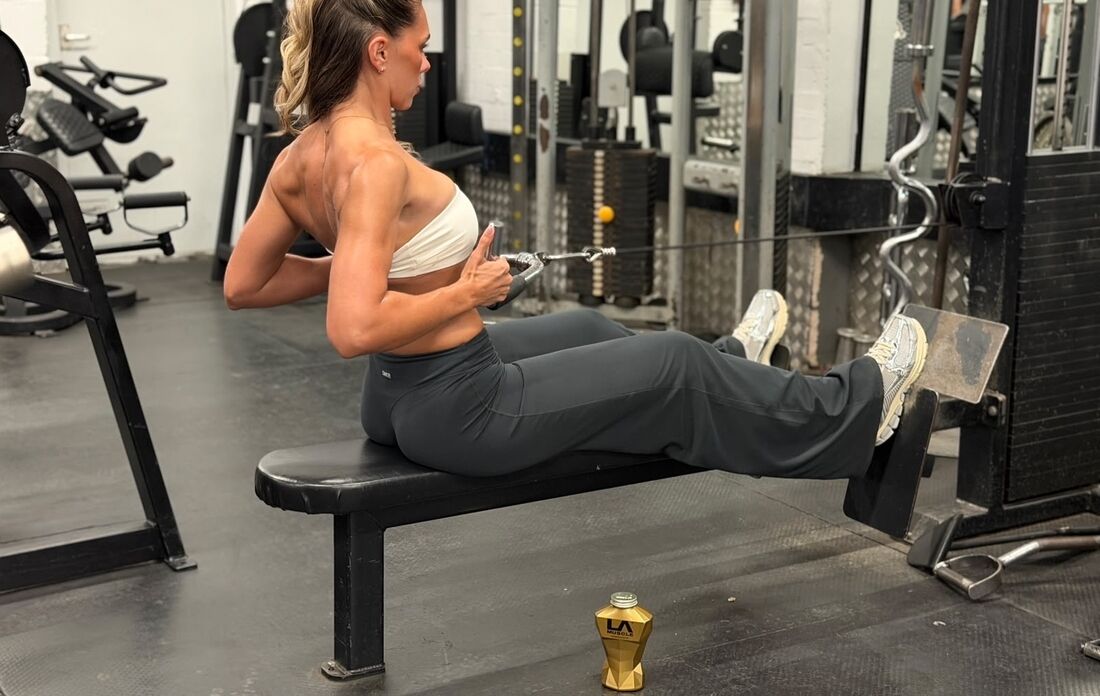
In the rush to build muscle faster, one of the easiest mistakes to make is assuming that more training automatically means more growth. If training your chest twice a week is good, surely three or four times must be even better? Not necessarily. Muscle isn't actually built while you're lifting weights. Resistance training provides the stimulus that tells your body it needs to adapt. The rebuilding and growth process happens afterwards, when you eat, sleep and recover. This is one reason a traditional weekly body-part split can still be an extremely effective way of building a muscular physique.
Train Hard, Then Get Out of the Way
A proper bodybuilding workout creates considerable fatigue in the muscle you've trained. Hard sets of presses, rows, squats, curls and extensions place mechanical tension on the muscles and provide the stimulus for adaptation. Once you've done enough productive work, however, simply adding more training isn't automatically beneficial. You need to give your body the resources and time to recover from the session. If you repeatedly hammer the same muscle before you're adequately recovered, your performance can suffer. You may find yourself using less weight, completing fewer reps or simply training with less intensity. A body-part split provides a simple solution: train a muscle extremely hard, then leave it alone while you concentrate on other areas of your body.
The Advantage of a Weekly Split
A classic bodybuilding split might have you training chest on Monday, back on Tuesday, legs on Wednesday, shoulders on Thursday and arms on Friday, with the weekend used for rest and recovery. There are numerous variations, but the principle remains the same. Each major muscle group receives a dedicated workout and then has several days before it is directly trained again. That means Monday's chest session can include several pressing and isolation movements without worrying about having to train chest again on Wednesday. Tuesday you move onto back, Wednesday you train your legs, and by the time you return to chest the following week, it has had plenty of time away from direct training.
Recovery Is Part of Muscle Building
One of the biggest advantages of splitting your body parts is that it forces you to respect recovery. Muscle protein synthesis rises after resistance training and remains elevated for a period afterwards, but recovery involves more than this alone. Your muscles, connective tissues and overall fatigue levels all need to be considered. Training a muscle again before it is ready isn't automatically going to make it grow faster. Think about muscle building as a repeating cycle of stimulation, recovery, adaptation and then training again. The objective isn't to train as frequently as physically possible. It's to repeatedly deliver high-quality training sessions from which you can recover and progressively improve.
You Can Put Everything Into One Muscle Group
Another major benefit of the body-part split is focus. If you're training chest, you're training chest. You're not worrying about saving energy because you've still got back, shoulders and legs to train afterwards. You might begin with heavy incline presses, move onto flat presses, then dips, flyes and cable work. Different exercises can challenge the muscle through different angles and ranges of motion. This can be particularly useful for experienced bodybuilders who may require more exercises and sets to adequately stimulate a developed muscle. Instead of spreading that work over several sessions, you concentrate your attention on producing one serious workout.
More Frequency Isn't Automatically More Growth
Higher-frequency routines can absolutely build muscle, and research generally suggests that training frequency itself is less important when total weekly training volume is appropriately matched. That's an important distinction. Training a muscle twice per week can work brilliantly. Full-body routines can work. Upper/lower splits can work. Push-pull-legs can work. But this doesn't mean everyone needs to train every muscle two or three times per week. A bodybuilder who performs a large amount of quality work for chest on Monday may not need another chest workout on Thursday. If that second session reduces recovery or forces both workouts to be less demanding, greater frequency may become counterproductive. The goal should therefore be enough frequency to stimulate growth without compromising recovery or training quality.
Progression Is What Matters
Whatever split you use, the real test is whether you're progressing. Imagine that today you incline press 100 kg for eight controlled repetitions. Over the coming months, that becomes 10 reps, then 105 kg for eight, and eventually 110 kg for eight while maintaining good technique. That progression is meaningful. If instead you're training chest every other day but constantly feeling fatigued and your strength hasn't moved for six months, the extra frequency isn't accomplishing much. More workouts do not necessarily equal more muscle. Better workouts followed by sufficient recovery are what matter.
A Weekly Split Can Protect Training Intensity
There's a psychological advantage too. When you know you're only directly training back once this week, you don't want to waste the session. You attack your rows, concentrate on your pulldowns, squeeze every contraction and make the working sets count. That traditional bodybuilding mentality can produce extremely productive workouts because every session has a specific purpose.
Don't Forget About Indirect Training
A body-part split doesn't necessarily mean a muscle literally does nothing for seven days. Your triceps work during chest pressing, your biceps assist during back exercises, your shoulders contribute to many chest movements and your hamstrings and glutes can be involved in various compound movements. So even on a once-per-week direct training split, many muscles receive additional indirect stimulation elsewhere in the week. This is another reason recovery should be considered across your entire programme rather than simply counting how many times the name of a muscle appears on your schedule.
Make the Recovery Days Count
A split routine only works properly if you use the recovery period to actually recover. That means eating sufficient calories for your goal, consuming plenty of quality protein, getting adequate carbohydrates to support hard training and prioritising sleep. If you're training hard but eating badly and sleeping five hours a night, giving your chest six days away from the gym isn't magically going to produce maximum growth. Training provides the reason to grow, nutrition provides the building materials and recovery provides the opportunity.
You don't need to train the same muscle every couple of days to build an impressive physique. A traditional weekly body-part split remains a perfectly viable bodybuilding strategy because it allows you to concentrate substantial effort on one area, accumulate enough productive training volume and then give that muscle plenty of time before directly attacking it again. The key isn't simply waiting seven days. The key is making the workout good enough to justify the recovery period and then progressing it over time. Train hard, train intelligently, eat properly, sleep properly, recover completely and then come back stronger. When it comes to building serious muscle, recovery isn't time away from bodybuilding — it's part of bodybuilding.







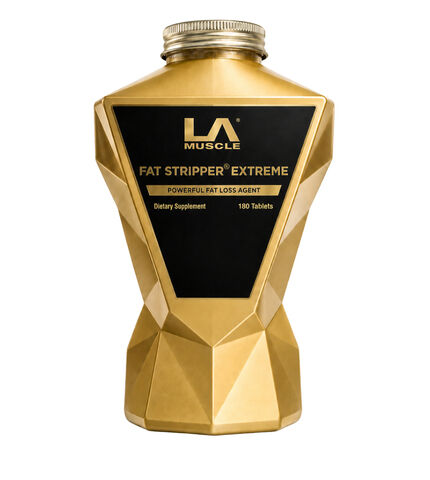
Fat Stripper Extreme
2 month supply of advanced 6-ingredient fat burner

Six Pack Pill® Extreme
Guaranteed six pack or money back, NO RISK results typically in days