SIGN IN
 REGISTER


The Knowledge > Exclusive Articles >
Saturday, 31st October 2026
10 Warning Signs Your Training Routine Is Not Helping You Grow
By LA Muscle on 31.10.2026 01:12 pm


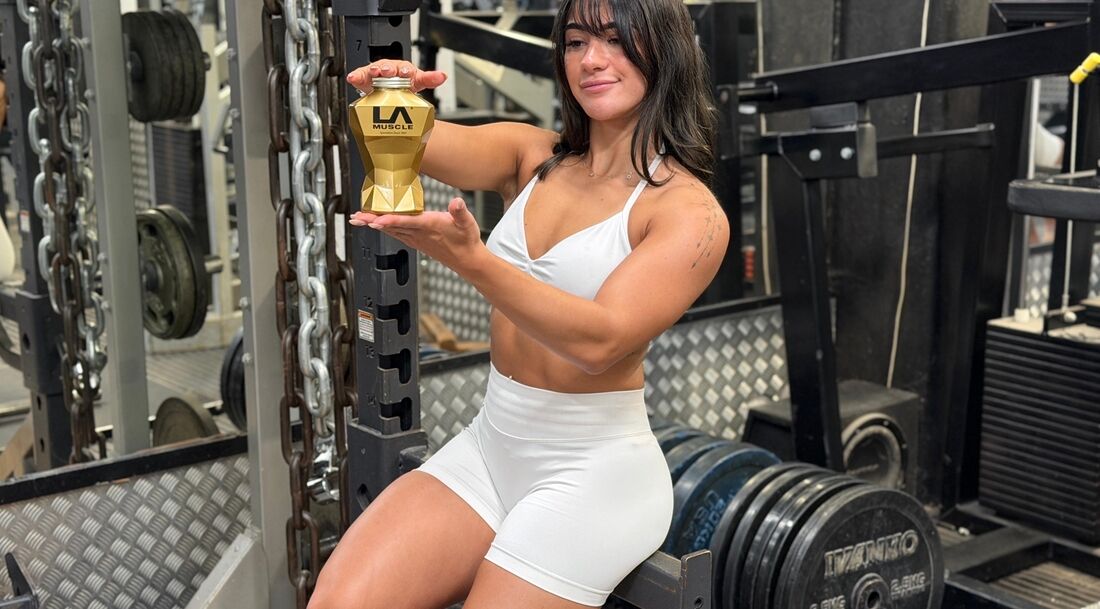
You’re putting in the hours at the gym, lifting weights, sweating through workouts and pushing yourself hard. But when you look in the mirror, nothing seems to be changing. Your muscles aren't growing, your strength has stalled and your physique looks exactly the same as it did months ago. Sound familiar?
Building muscle isn't simply about training harder or spending more time in the gym. It's about training intelligently, giving your body the right stimulus and allowing sufficient recovery for growth. Many people unknowingly sabotage their progress by following ineffective routines, making the same mistakes repeatedly and failing to recognise the warning signs.
Here are 10 clear signs that your training routine isn't delivering the muscle growth you deserve, along with exactly what you need to change.
1. You're Lifting the Same Weights Every Week
One of the biggest warning signs of a failing training programme is a complete lack of progression. If you're bench pressing the same weight for the same number of repetitions that you were three months ago, your muscles have little reason to adapt and grow. Muscle hypertrophy requires progressive overload, meaning that the demands placed on your muscles must gradually increase over time.
What to change: Start recording your workouts and aim to improve your performance consistently. This doesn't necessarily mean adding weight every session. Increasing repetitions, improving technique, expanding your range of motion or adding a small amount of training volume all contribute to progressive overload. Even modest improvements accumulated over several months produce significant results.
2. You're Training Hard but Never Feel Fully Recovered
Muscle growth doesn't happen while you're lifting weights. Training provides the stimulus, but the actual repair and adaptation take place during recovery. If you're constantly exhausted, your muscles remain sore for days and your performance deteriorates from one workout to the next, you're probably exceeding your ability to recover.
What to change: Allow sufficient recovery between demanding sessions targeting the same muscle groups. Most people benefit from training each major muscle group approximately twice weekly while managing total volume and intensity. Prioritise seven to nine hours of quality sleep and incorporate rest days into your programme. Remember, more training isn't automatically better training.
3. Your Workouts Are Long but Lack Intensity
Spending two hours in the gym doesn't guarantee better results than a focused 45-minute session. Many people confuse time spent exercising with productive training. Excessive chatting, scrolling through your phone, performing unnecessary exercises and taking inconsistent rest periods can turn an otherwise effective workout into wasted time.
What to change: Structure your sessions around productive working sets and clear performance goals. Focus on challenging your muscles with controlled repetitions and sufficient effort. For hypertrophy, many sets should finish within approximately one to three repetitions of muscular failure. Rest long enough between demanding sets to maintain performance, typically two to three minutes for heavy compound exercises and shorter periods for less demanding isolation movements.
4. You're Not Eating Enough to Build Muscle
You can follow an excellent training programme, but if your body isn't receiving sufficient energy and protein, muscle growth will be compromised. This is particularly common among people who train intensely while constantly restricting calories in an attempt to remain lean. Your muscles require amino acids for repair and growth, while adequate energy intake supports training performance and recovery.
What to change: Ensure your diet provides enough calories to support your goals. If you're already relatively lean and struggling to gain muscle, a modest calorie surplus of around 200–300 calories daily is a reasonable starting point. Aim for approximately 1.6–2.2 grams of protein per kilogram of body weight each day, distributed across regular meals. Monitor your weight, strength and body composition, adjusting your intake according to results.
5. You Keep Changing Your Training Programme
One week you're following a bodybuilding split, the next you're trying full-body workouts, and a fortnight later you've switched to a completely different routine you discovered online. Constantly changing exercises and programmes makes it difficult to measure progress and develop the technical proficiency needed to lift heavier weights effectively.
What to change: Commit to a well-structured training programme for at least eight to twelve weeks, making adjustments only when necessary. Keep your main exercises consistent and track improvements. Variety has its place, but consistency allows you to develop strength, refine technique and progressively challenge the same muscle groups.
6. You're Using Momentum Instead of Your Muscles
If you're swinging dumbbells during curls, bouncing weights off your chest or using your entire body to complete an exercise, you're probably sacrificing muscular tension to move heavier loads. While some controlled body movement is appropriate in certain advanced techniques, excessive momentum reduces the effectiveness of many conventional hypertrophy exercises and can increase injury risk.
What to change: Reduce the weight if necessary and concentrate on controlled execution. Use a full, comfortable range of motion and maintain tension on the intended muscles. During a biceps curl, for example, keep your upper arms relatively stable rather than throwing your shoulders backwards. Quality repetitions performed with appropriate resistance are more valuable than heavier weights lifted with poor technique.
7. You're Neglecting Major Muscle Groups
Training chest and arms repeatedly while neglecting your back, legs, shoulders and glutes creates an unbalanced physique and leaves significant growth potential untapped. Large muscle groups require consistent attention, and neglecting them can also contribute to muscular imbalances that affect posture, movement and exercise performance.
What to change: Build your programme around a balanced selection of compound and isolation exercises. Include movements such as squats or leg presses, Romanian deadlifts, rows, pulldowns, presses and targeted arm exercises. Ensure every major muscle group receives sufficient weekly training volume. A balanced physique isn't just about appearance; it also supports better overall strength and physical function.
8. You're Doing Too Much Cardio Without Considering Your Muscle-Building Goals
Cardiovascular exercise is excellent for heart health, endurance and general fitness. However, excessive endurance training, particularly when combined with insufficient calories and inadequate recovery, can interfere with your ability to maximise muscle growth. This becomes especially relevant when hard running or cycling sessions repeatedly leave your legs fatigued before weight training.
What to change: Keep cardio in your routine, but organise it around your primary objective. If building muscle is your main goal, prioritise resistance training and schedule demanding cardio sessions so they don't compromise your lifting performance. Moderate cardiovascular exercise two or three times weekly is compatible with muscle growth for most people. Ensure your food intake compensates for the additional energy expenditure.
9. You're Not Tracking Your Results
Without measuring your progress, you're effectively training blind. You might feel as though you're working harder, but unless you're monitoring performance, body weight or physical changes, it's difficult to determine whether your programme is actually working. The scales alone aren't always reliable because changes in body fat, water retention and muscle mass can occur simultaneously.
What to change: Keep a training log documenting exercises, weights, repetitions and sets. Take progress photographs under consistent lighting every four weeks and consider measuring your arms, chest, waist and thighs. Monitor your strength trends rather than judging individual workouts. If your performance, measurements and appearance remain unchanged over several months, it's time to reassess your training and nutrition.
10. You're Training Without a Clear Goal or Structure
Walking into the gym and deciding what to train based on how you feel might be enjoyable, but it rarely provides the consistency required for optimal muscle growth. Without a defined objective, appropriate exercise selection and a progression strategy, your workouts can become a collection of random movements rather than a structured muscle-building programme.
What to change: Establish a specific, measurable goal. Perhaps you want to increase your bench press by 10 kilograms, add two centimetres to your arms or gain three kilograms of body weight over several months. Design your programme around that objective, selecting exercises and training frequencies that support it. Review your results regularly and make evidence-based adjustments rather than relying on guesswork.
Train Smarter, Not Just Harder
Building an impressive physique requires more than determination and hours spent lifting weights. It demands a combination of progressive overload, sufficient nutrition, effective recovery, consistent execution and intelligent programming. If your muscles haven't grown in months, don't automatically assume you need to train harder. You might actually need to train less, eat more, improve your technique or simply follow a more structured routine. The most successful muscle-building programmes aren't necessarily the most complicated. They're the ones that consistently challenge your muscles, provide adequate recovery and produce measurable improvements over time. Stop measuring your success by how exhausted you feel after a workout. Start measuring it by how much stronger, fitter and more muscular you're becoming. That's the difference between simply going to the gym and actually building a better physique.






Norateen XXX
The strongest ever Norateen Muscle Builder - Period

Gamer Pro Elite
50 days of Focus, Mental Energy, Motivation, Concentration