SIGN IN
 REGISTER


Thursday, 29th October 2026
Travelling Abroad With Your Supplements: What You Can Pack?
By LA Muscle on 29.10.2026 06:52 pm


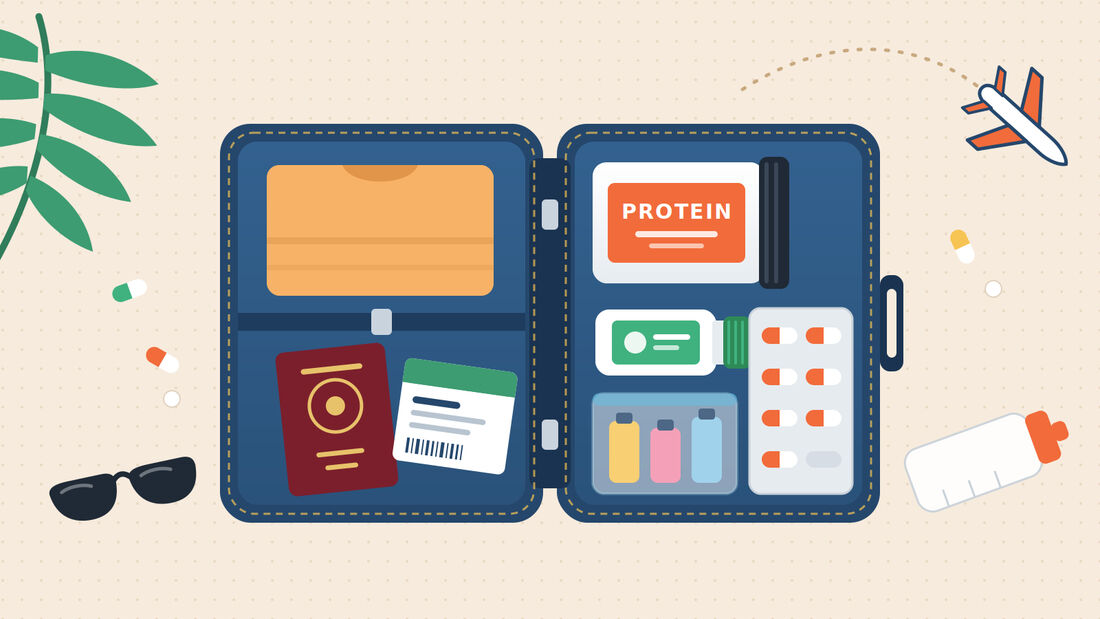
The good news first: for most travellers, everyday supplements such as vitamins, minerals, protein powder and capsules can go in your luggage with no trouble at all. The bigger risk isn't being stopped, it's packing them in a way that slows you down at security or brings the wrong product into a country with stricter rules. 99.9% of LA Muscle supplements are find in 99.9% of countries.
Whether you're heading off on a two-week beach holiday, a long-haul business trip or a training camp abroad, you've worked hard to build a routine and there's no reason to abandon it at the departure gate. This guide explains what is generally fine to pack, what can cause problems, and the simple habits that make getting through the airport painless.
The golden rule: three sets of rules apply to every trip
Every supplement you pack has to clear three separate hurdles, and each is run by a different authority with its own priorities.
- Airport security. Security staff care about safety on board, not about what your capsules contain. Their rules cover the form of what you carry: liquids, powders and gels in hand luggage. Security staff will not let anything through that they consider dangerous, even if it is normally allowed.
- Your destination's customs and border rules. This is where the substance itself matters. A product sold freely on a UK high street can be classed as a medicine, a controlled item or a restricted food elsewhere.
- The journey home. UK customs also has rules on what you bring back, and the airport you fly home from may run stricter security than the one you left from.
Most travel headaches come from assuming that because something is legal at home, it's fine everywhere. The rest of this guide takes each hurdle in turn.
What is generally fine to travel with
Solid, everyday supplements in their original packaging are the easiest things to travel with. Tablets and capsules aren't liquids, so they don't count towards any liquids allowance, and security staff rarely look twice at them.
These typically travel without problems, in hand or hold luggage:
- Vitamins and minerals in tablet, capsule or soft-gel form, such as multivitamins, vitamin D, magnesium, zinc and iron.
- Fish, algae and seed oils in capsule form.
- Plant-based and herbal supplements made from common, widely sold ingredients.
- Joint, digestion and general wellness products such as glucosamine, collagen tablets and probiotics (check whether your probiotic needs refrigeration).
- Sports nutrition in solid form, including protein bars, energy chews and electrolyte tablets.
- Plant-based protein powders, which avoid the dairy rules covered below.
The common thread is that these are ordinary food supplements, sold openly and regulated as food in most countries. Keep them in their sealed, labelled packaging and carry only what you'll use on the trip, and they should give you no trouble.
Powders: allowed, but pack them smartly
Protein, creatine, greens and other powders are allowed on flights, but they are the item most likely to get your bag pulled aside. UK government guidance notes that powders can obstruct images on x-ray machines, so security may need to check your bag by hand; packing them in the hold avoids the delay.
If you're flying to the USA, the US security agency asks that powders over 12 oz (about 350 ml, roughly the size of a drinks can) go in a separate tray for screening, and it recommends putting non-essential powders above that size in checked bags.
Tips for travelling with powders:
- Put large tubs in your hold luggage and carry only a day or two's worth in your hand luggage.
- Use sealed, pre-measured single servings or sachets rather than a loose bag of white powder, which invites questions.
- Keep the original label, or a photo of it, so you can show what the product is if asked.
- Pack powder inside a second bag to contain any spills.
The dairy catch for whey and casein
Milk-based proteins such as whey and casein can fall under food rules that have nothing to do with supplements. The EU restricts personal imports of milk-based products from outside the EU, including dairy-based whey protein. Coming home, UK rules currently stop travellers bringing dairy products into Great Britain from the EU, and milk-based products from elsewhere.
For European trips, the simplest options are a plant-based protein, protein bars, or buying a small tub when you arrive. Countries with strict biosecurity, such as Australia and New Zealand, expect you to declare food and animal-derived products on arrival.
Liquids, gels and shots: the rules are in flux
Liquid supplements, energy gels, ready-to-drink protein shakes and oil drops all count as liquids at security, and the limits now depend on which airport you fly from. UK airports have been rolling out new scanners, and some now allow containers of up to 2 litres in hand luggage while others still enforce the 100 ml limit. The government's own advice is to check with the airport before you travel.
The catch is the return leg. Many holiday airports abroad still use the older rules, so a large bottle that sailed through on the way out can be confiscated on the way home.
The safe approach:
- Pack as if the 100 ml rule applies: containers of 100 ml or less, in a clear resealable bag of about 1 litre.
- Put larger bottles, shakes and multi-packs of gels in your hold luggage.
- Check the security pages for both your departure and your return airport a few days before you fly.
- Choose tablet or capsule versions of liquid products where you can; they avoid the question entirely.
What can cause problems abroad
A small number of product types cause almost all supplement trouble at borders, because countries disagree about whether they are a food, a medicine or something more tightly controlled. Canada's official travel advice puts it plainly: some dietary supplements and herbal products legal at home may be illegal elsewhere or need prior approval.
Think twice before packing anything in these categories:
- Sleep and hormone-related supplements. Some products sold over the counter in one country are prescription-only medicines in another, the UK included.
- Strong stimulant products. Some pre-workouts, fat burners and energy products contain ingredients that certain countries restrict or ban outright.
- Anything derived from the cannabis plant, even non-intoxicating oils, balms and capsules that are legal in the UK. Many countries ban these completely; Singapore, for example, lists hemp products among the goods travellers must leave behind.
- Products promising hormone, muscle-building or performance effects beyond what ordinary nutrition does, or labelled for research use only. If a product sounds too good to be true, customs officers may agree.
- Traditional or herbal remedies containing animal parts or protected plant species, which can fall under wildlife trade rules.
- Unlabelled or decanted products, such as tablets in a pill organiser or powder in an unmarked bag, which officers can't identify at a glance.
Some destinations, including parts of the Middle East and Asia, are known for particularly strict enforcement, where a misunderstanding can mean confiscation, fines or worse. If you're travelling somewhere with a reputation for tough rules, the safest choice is to take only plain vitamins and minerals, or buy what you need locally.
Medicines and prescribed items
If you take prescribed medication alongside your supplements, it needs more care than anything else in your bag. Even some everyday over-the-counter remedies, such as certain cold, cough and pain products, are restricted or controlled in other countries.
The UK government advises asking your doctor or pharmacist whether your medicine is classed as a controlled drug. If it is, check the rules with your destination's embassy before you travel, and carry a prescription or doctor's letter proving it's yours. Medicines containing controlled drugs must travel in your hand luggage when entering or leaving the UK.
Good habits for any medicine:
- Keep it in its original pharmacy packaging with the label showing your name.
- Carry a copy of your prescription or a short letter from your GP listing what you take and the dose.
- Pack it in your hand luggage, so a lost suitcase doesn't leave you without it.
- Bring only enough for the trip plus a few days' spare.
If you're unsure whether anything you take could be an issue, your pharmacist is the best person to ask.
How much to take: personal use, not stock
Customs officers judge quantity as much as contents, so pack enough for your trip and no more. Personal-use allowances exist because officers want to see that you'll consume what you bring; a suitcase full of identical tubs looks like goods for sale, and different rules apply to goods you take abroad to sell.
A simple rule of thumb is a daily serving multiplied by the days you're away, plus a small spare in case of delays. For a long stay, it's usually easier to buy a reputable local product or have a refill delivered than to carry months of supply through several borders.
Your packing checklist
Run through this list a few days before you fly.
- Supplements kept in their original, sealed and labelled packaging
- Only enough for the trip, plus a few days' spare
- Large powder tubs in the hold; one or two days' servings in hand luggage
- Liquids, gels and shots in 100 ml containers in a clear bag, or packed in the hold
- Dairy-based protein swapped for a plant-based option or bars if travelling to the EU
- Nothing derived from the cannabis plant, and no stimulant-heavy or hormone-related products for strict destinations
- Prescribed medicines in hand luggage, with a prescription copy or GP letter
- Security rules checked for both departure and return airports
- Destination customs rules checked (see below)
Before you go: how to check the rules for your destination
Five minutes of checking before you travel is far better than a conversation at a customs desk. Rules change, sometimes with little notice, so check close to your departure date rather than relying on what was true last year.
- Read the UK government's foreign travel advice for your destination. Each country page has a section on local laws and customs, which often flags medicines and restricted goods.
- Check the destination's own customs website or contact its embassy in the UK, especially for anything in the "can cause problems" categories above.
- Check your departure and return airports' security pages for the current liquids and powders rules.
- Ask your pharmacist about any medicine or supplement you're unsure of.
- When in doubt, leave it out. Most destinations sell basic vitamins and protein, and a week without a non-essential product won't undo your progress.
If you're asked at a border whether you're carrying food or medicine, declare your supplements honestly. Declaring is always the safer choice: items that turn out not to be allowed can be taken away either way, but hiding them can add fines or penalties.
Keep your routine on the road
For the vast majority of trips, your everyday vitamins, minerals and sports nutrition can come with you. Keep products sealed and labelled, take only what you need, put bulky powders and liquids in the hold, and check the rules for anywhere with a reputation for strict customs. Do that, and the only thing you'll need to think about on holiday is when to fit in your next workout.
This article is general guidance, not legal or medical advice. Rules differ between countries and change over time, so always check official sources for your specific journey.







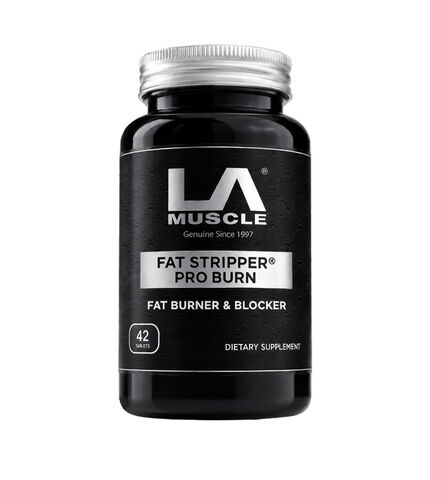
Fat Stripper PRO BURN
Professional Pharma Grade Fat Burner and Blocker

Fat Stripper Intense Gummy
Instant-acting appetite reduction and fat burning