SIGN IN
 REGISTER


The Knowledge > How To Build Muscle >
Monday, 14th September 2026
The 5 Pillars of Recovery
After Heavy Bodybuilding Training
By LA Muscle on 14.09.2026 07:17 am



Heavy bodybuilding training is only half the equation when it comes to building an impressive physique. You can train brutally hard, progressively overload your muscles and execute every repetition perfectly, but if you continually neglect recovery, your progress will eventually slow down. Training provides the stimulus, but recovery is when your body adapts to that stimulus. A demanding workout creates fatigue and places considerable stress on your muscles and supporting tissues. It also depletes fuel stores and challenges the nervous system. Your job after leaving the gym is to create an environment that allows your body to repair, adapt and come back capable of doing more. For serious bodybuilders, recovery shouldn't be something you think about only when you're exhausted. It should be treated as part of the training programme itself.
Pillar 1: Sleep – Your Most Powerful Recovery Tool
If there is one recovery strategy that consistently gets underestimated, it is sleep. Supplements, massage guns, cold baths and recovery gadgets can all have their place, but none compensates for consistently inadequate sleep. Sleep is a period in which numerous processes involved in physical and neurological recovery take place. Good-quality sleep also supports normal hormonal function, immune health, appetite regulation and your ability to perform during your next training session. For someone training heavily, around 7–9 hours of sleep per night is a sensible target, although individual requirements vary. Don't only concentrate on the number of hours because sleep quality matters too. Keeping relatively consistent sleeping and waking times, making the bedroom dark and cool, limiting caffeine later in the day and avoiding unnecessarily stimulating activities immediately before bed can all help. Think of sleep as another part of your bodybuilding programme. If you're prepared to spend two hours training your body, it makes little sense to undermine that work by repeatedly sleeping for five hours.
Pillar 2: Nutrition – Give the Body the Raw Materials to Rebuild
After heavy training, your body needs the nutritional building blocks required for recovery. Protein is obviously crucial, and resistance-trained people generally benefit from consuming roughly 1.6–2.2g of protein per kilogram of bodyweight per day, spread across several meals. High-quality sources such as eggs, chicken, turkey, lean beef, fish and dairy can make hitting this target easier, while a good whey protein is useful when convenience is important. But don't make the mistake of thinking recovery is only about protein. Carbohydrates replenish muscle glycogen used during demanding training, and if you're training frequently and using high-volume bodybuilding sessions, sufficient carbohydrate intake can make an enormous difference to how you feel and perform in subsequent workouts. Dietary fats are also important, while total calorie intake matters enormously. You cannot continually demand maximum growth from your body while providing insufficient energy to recover.
Pillar 3: Hydration and Electrolytes – Replace What Training Takes Away
Even relatively modest dehydration can negatively affect exercise performance, particularly during long, sweaty workouts. Water is involved in virtually every physiological process, yet bodybuilders sometimes pay meticulous attention to protein and supplements while barely considering hydration. Drink regularly throughout the day rather than attempting to compensate by consuming enormous quantities immediately before training. Heavy sweating also means losing electrolytes, particularly sodium, while potassium and magnesium are important for normal muscle and nerve function. Athletes training hard, training in hot conditions or sweating heavily may therefore need to pay greater attention to both fluids and electrolytes. A simple indicator is urine colour. Constantly dark urine can suggest you need more fluid, while completely clear urine all day can sometimes indicate you're drinking more than necessary. Hydration isn't exciting, but neither is having a terrible workout because you're dehydrated.
Pillar 4: Rest, Active Recovery and Fatigue Management
More training isn't automatically better training. One of the hardest lessons for enthusiastic bodybuilders is recognising that the body doesn't necessarily grow faster simply because you train it more frequently. If you've completely destroyed your legs on Monday, training them hard again before they've recovered may simply add fatigue rather than provide a productive new growth stimulus. Rest days should therefore be programmed rather than viewed as days when you're "doing nothing." That doesn't mean lying on the sofa all day. Walking, gentle cycling, mobility work and other low-intensity activity can be useful forms of active recovery, provided they don't become additional workouts. Pay attention to performance as well. If several workouts in succession are unexpectedly poor, loads are dropping, motivation has disappeared, you're unusually sore and everything feels heavier than normal, accumulated fatigue may be exceeding your ability to recover. Occasionally reducing training volume or incorporating a deload can ultimately produce better long-term results than trying to smash through every plateau with another brutal workout.
Pillar 5: Stress and Nervous-System Recovery
The body doesn't experience gym stress in complete isolation from everything else happening in your life. A brutal leg workout is stress, but so are deadlines, arguments, financial worries, travelling, inadequate sleep and spending every waking hour rushing around. This is why two people can follow exactly the same bodybuilding programme and recover very differently. Create periods during the day when your system isn't permanently switched on. Walking outside, relaxing with family, breathing exercises, stretching, reading or simply spending some time away from your phone can be valuable additions to a serious training lifestyle. You don't need to live like a monk; you simply need to recognise that psychological stress and physical recovery are connected.
Recovery Is Where Tomorrow's Strength Comes From
The bodybuilding mentality traditionally celebrates intensity: one more rep, another plate, another set. That attitude can produce extraordinary physiques, but intelligent bodybuilding requires knowing when to push and when to recover. The five pillars are simple: sleep, nutrition, hydration, intelligent rest and stress management. Get those right consistently and you'll create a far better environment for muscular growth, strength and performance. Ignore them and even the most sophisticated training programme will eventually run into problems. So after your next brutal workout, don't think the work has finished when you leave the gym. The training session was the signal; recovery is where your body gets the opportunity to answer it.







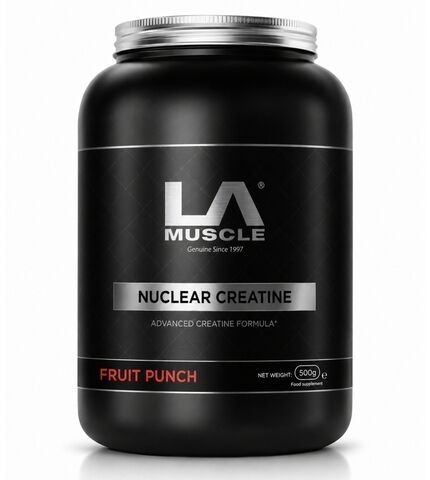
Nuclear Creatine
The STRONGEST Creatine you can buy with powerful Nitric Oxide agents

Norateen XXX
The strongest ever Norateen Muscle Builder - Period