SIGN IN
 REGISTER


The Knowledge > How To Build Muscle >
Thursday, 15th October 2026
Dumbbell Hammer Curls
Build Bigger, Thicker Biceps
By LA Muscle on 15.10.2026 08:32 am


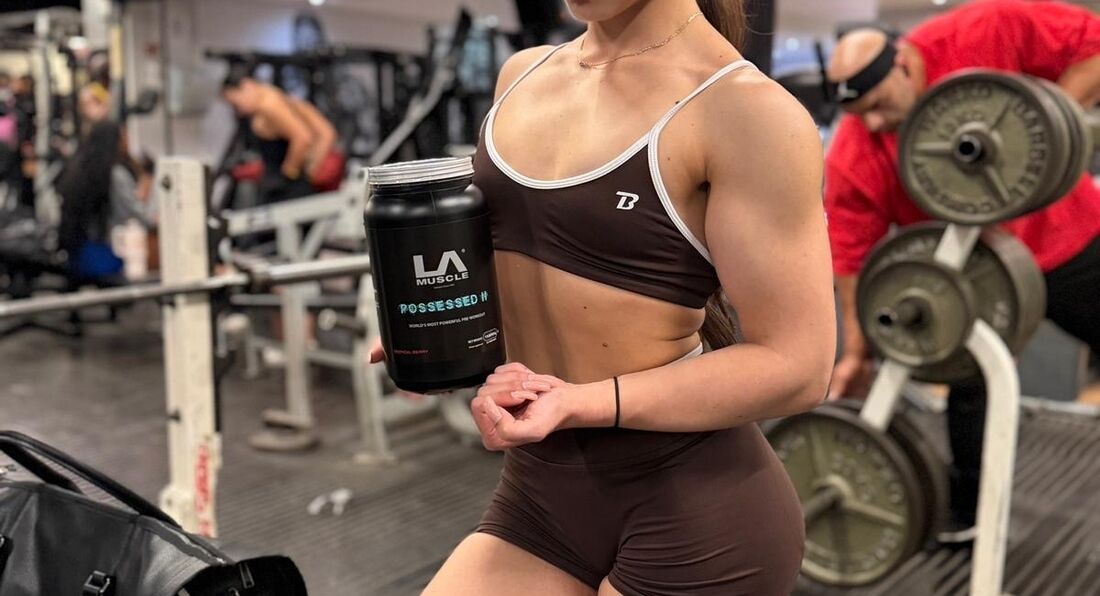
Want bigger arms, thicker biceps and impressive muscle development? The dumbbell hammer curl could be one of the most important exercises missing from your training routine.
When it comes to building massive arms, most people immediately think of traditional dumbbell curls, barbell curls and preacher curls. While these exercises are excellent for developing the biceps, there's another movement that deserves just as much attention: the dumbbell hammer curl.
Simple, effective and incredibly versatile, hammer curls target muscles that conventional curls don't emphasise to the same degree. When performed correctly, they can help develop thicker upper arms, stronger forearms and greater overall pulling strength. Whether you're a beginner looking to add your first inch of arm muscle or an experienced bodybuilder chasing maximum development, understanding how to perform hammer curls properly could make a real difference to your results.
Here's everything you need to know.
What Is a Dumbbell Hammer Curl?
A dumbbell hammer curl is a resistance exercise performed with a neutral grip, meaning your palms face towards your body throughout the movement. Unlike a traditional dumbbell curl, where your palms rotate upwards, the hammer curl maintains the same hand position from beginning to end. Imagine holding two hammers and lifting them towards your shoulders. That's essentially the movement.
Although the difference might seem small, changing your grip alters how the elbow flexor muscles contribute to the exercise. Hammer curls are particularly effective for developing the brachialis and brachioradialis, while also providing a substantial training stimulus to the biceps brachii. The result is more complete arm development rather than simply concentrating on the visible biceps muscle.
Which Muscles Do Hammer Curls Work?
To understand why hammer curls are so valuable, it's worth looking at the three major muscles involved.
1. Brachialis – The Secret to Thicker Arms
The brachialis sits underneath the biceps brachii and is one of the primary muscles responsible for bending your elbow. Because of its position, developing the brachialis can increase the overall thickness of your upper arm and contribute to a fuller appearance.
The brachialis works during all types of curls, but the neutral grip used during hammer curls makes this exercise a particularly useful way of training it alongside the other elbow flexors. For anyone chasing bigger arms, neglecting the brachialis is a mistake.
2. Brachioradialis – Building Powerful Forearms
The brachioradialis is a prominent forearm muscle that runs from the upper arm towards the wrist. It plays an important role in elbow flexion, particularly when your forearm is in a neutral position. Well-developed brachioradialis muscles give your arms a more powerful appearance, especially when viewed from the side. Hammer curls are one of the most practical exercises for building this muscle.
3. Biceps Brachii – The Muscle Everyone Wants
The biceps brachii consists of two heads: the long head, which contributes to the outer contour and peak of the biceps, and the short head, which contributes to the inner fullness of the upper arm. Both heads assist with elbow flexion and forearm supination.
Hammer curls train the biceps effectively, although conventional supinated curls generally place greater emphasis on their forearm-supination function. The key to maximum arm development is combining hammer curls with traditional biceps exercises rather than relying exclusively on either movement.
How to Perform Dumbbell Hammer Curls CorrectlyCorrect technique is essential if you want maximum muscle stimulation without unnecessary stress on your joints.
Step 1: Choose the Right Dumbbells
Select a pair of dumbbells that allow you to complete approximately 8–12 controlled repetitions without swinging your body. If you're forced to use your shoulders, hips or lower back to lift the weights, they're probably too heavy.
Step 2: Establish Your Starting Position
Stand upright with your feet approximately shoulder-width apart. Hold a dumbbell in each hand, arms hanging naturally by your sides and palms facing your thighs. Keep your chest lifted, shoulders relaxed and abdominal muscles lightly braced.
Step 3: Curl the Dumbbells Upwards
Keeping your upper arms relatively still, bend your elbows and lift the dumbbells towards your shoulders. Maintain the neutral grip throughout. Avoid allowing your elbows to travel excessively forwards or using momentum to throw the weights upwards.
Step 4: Control the Top Position
Raise the dumbbells as high as you comfortably can while maintaining tension and good technique. Pause briefly near the top. Don't force the dumbbells against your shoulders or twist your wrists unnecessarily.
Step 5: Lower Slowly
Lower the weights under control until your arms return to the starting position. A lowering phase of approximately two to three seconds is a useful way of maintaining control, although no particular tempo is essential for muscle growth. Allow your elbows to extend comfortably without aggressively locking them out. Repeat for your desired number of repetitions.
The Biggest Mistakes People Make With Hammer CurlsEven experienced gym users frequently perform hammer curls incorrectly, and small technical mistakes can reduce the effectiveness of the exercise.
Using Too Much Weight
This is probably the most common mistake. Heavy dumbbells might look impressive, but if you're swinging them upwards using your hips and shoulders, you're reducing the amount of controlled work performed by the intended muscles. Choose a weight that challenges your arms while allowing you to maintain good form.
Swinging the Body
Rocking backwards and forwards turns a controlled arm exercise into a momentum-assisted movement. Keep your torso reasonably stable and concentrate on bending your elbows. If you find yourself leaning backwards with every repetition, reduce the weight.
Cutting the Movement Short
Partial repetitions can be useful in certain training programmes, but consistently performing only the easiest portion of the movement may limit your development. For most sets, use a comfortable, substantial range of motion.
Lowering the Dumbbells Too Quickly
Dropping the weights after every repetition sacrifices control and can increase unnecessary strain. Remember that the lowering portion of the exercise also stimulates muscle growth. Control the dumbbells throughout the entire movement rather than concentrating exclusively on lifting them.
Allowing the Wrists to Bend
Keep your wrists approximately neutral and aligned with your forearms. Excessive wrist bending can create discomfort and reduce stability. A firm, comfortable grip will help you maintain control throughout the exercise.
Are Hammer Curls Better Than Regular Biceps Curls?
This is one of the most frequently asked questions in arm training, and the answer is that neither exercise is universally better. Traditional supinated dumbbell curls are excellent for training the biceps brachii, while hammer curls provide a slightly different loading pattern involving the biceps, brachialis and brachioradialis.
For maximum overall arm development, use both. Traditional dumbbell curls are particularly useful for emphasising the biceps brachii, while hammer curls provide additional emphasis on the brachialis and brachioradialis. Preacher curls offer greater upper-arm stability, incline dumbbell curls train the biceps with the shoulder in an extended position, and reverse curls provide another effective way of challenging the brachioradialis and other elbow flexors.
You don't need every variation in every workout, but using complementary exercises across your training programme can help develop your arms more completely.
How Heavy Should You Go?
One of the biggest misconceptions in bodybuilding is that heavier weights automatically produce bigger muscles. Muscle growth depends on several factors, including mechanical tension, training effort, sufficient volume, recovery and progressive overload.
Hammer curls can build muscle across a broad range of repetitions, provided the sets are challenging and performed with good technique. Sets of 6–8 repetitions are useful for heavier training with an emphasis on strength alongside muscle growth. Sets of 8–12 repetitions provide a practical balance of resistance, control and hypertrophy, while sets of 12–15 repetitions are excellent for controlled, higher-repetition muscle-building work. Even sets of 15–20 repetitions can stimulate muscle growth when performed sufficiently close to muscular failure.
For general bodybuilding purposes, 8–12 repetitions is an excellent starting point. However, don't become obsessed with a particular repetition range. The important thing is that the final repetitions are genuinely challenging without your technique collapsing.
How Many Sets of Hammer Curls Should You Do?
More isn't always better. If you're already performing barbell curls, preacher curls, chin-ups and other pulling exercises, your elbow flexors may already be receiving considerable training volume.
For most lifters, start with two to four sets of hammer curls per session, performed once or twice weekly. Your total weekly biceps and elbow-flexor workload matters more than the number of hammer curl sets alone.
A useful starting point for someone prioritising arm growth might be around 8–14 challenging direct arm-training sets per week, distributed across different exercises and adjusted according to recovery and progress. Advanced lifters may benefit from additional volume, but only when they can recover adequately.
Should You Perform Hammer Curls Standing or Seated?
Both variations are effective, and the best choice often comes down to personal preference and training goals.
Standing hammer curls allow a natural movement pattern and are convenient for lifting relatively heavy dumbbells. However, it's easier to introduce momentum if you're not careful. Seated hammer curls can make it easier to maintain a stable torso and concentrate on the working muscles, particularly when fatigue begins to set in.
Neither is inherently superior for hypertrophy. Choose the variation that allows you to train comfortably, progressively and consistently. You can also include both variations in your training programme to provide variety.
Alternating Hammer Curls vs Both Arms Together
Another common question is whether you should curl both dumbbells simultaneously or alternate between arms. Both methods have advantages.
Simultaneous hammer curls are time-efficient and make it easier to keep a consistent rhythm. Alternating hammer curls allow you to concentrate on each arm individually and may help you maintain better technique when fatigue increases.
For bodybuilding, both approaches can produce excellent results. You can even alternate between them over different training sessions. The most important factors remain controlled movement, adequate resistance and consistent progression.
The Best Hammer Curl Variations for Maximum Arm Growth
Once you've mastered the standard dumbbell hammer curl, several variations can add variety to your programme and challenge your muscles in slightly different ways.
Cross-Body Hammer Curl
Instead of lifting the dumbbell straight towards your shoulder, curl it diagonally across your torso towards the opposite side of your upper chest. This variation changes the arm path and can feel particularly comfortable for some lifters.
It still trains the brachialis, brachioradialis and biceps, although there is limited evidence that it produces greater muscle growth than standard hammer curls. It's nevertheless an excellent variation to include when you want to change your routine.
Incline Hammer Curl
Sit on an incline bench with your arms hanging down by your sides. Perform the hammer curl while keeping your upper arms relatively stationary. This places the shoulder in an extended position and changes the muscle lengths and loading characteristics of the movement.
Incline hammer curls are an excellent variation for adding diversity to your biceps training, particularly if you've been performing conventional standing curls for a long time.
Rope Cable Hammer Curl
Attach a rope to a low cable pulley and hold the rope ends with a neutral grip. Curl upwards while keeping your elbows close to your sides.
The cable provides a different resistance profile from dumbbells and makes it easy to adjust the weight in small increments. Rope cable hammer curls are particularly convenient for higher-repetition sets towards the end of an arm workout.
Preacher Hammer Curl
Using dumbbells with a neutral grip on a preacher bench reduces opportunities for body momentum. This can help you focus on controlled elbow flexion and maintain consistent technique throughout the set.
Avoid forcing the elbow into an uncomfortable position at the bottom of the movement, particularly when using heavier weights.
How Often Should You Train Hammer Curls?
For most people, training the elbow flexors two or three times weekly is an effective approach, provided total volume and recovery are appropriate. You don't need to perform hammer curls every day, and doing so may actually interfere with recovery if you're constantly training your arms intensely.
Muscle growth occurs through repeated training stimulus followed by sufficient recovery. Allow approximately 48 hours between demanding direct arm sessions as a practical starting point, adjusting according to soreness, performance and overall workload.
Remember that your biceps and brachialis also work during exercises such as rows, chin-ups and pulldowns. If you're performing several heavy back workouts each week, take this additional workload into account when planning your arm training.
The Ultimate Biceps Workout Featuring Hammer Curls
If your goal is bigger, fuller and thicker arms, try incorporating hammer curls into a structured biceps workout rather than performing random exercises without a clear plan. Start with barbell curls for three sets of 6–10 repetitions, concentrating on controlled technique and gradually increasing resistance as your strength improves. Follow this with incline dumbbell curls for three sets of 8–12 repetitions, allowing your arms to extend comfortably at the bottom of each repetition.
Next, perform dumbbell hammer curls for three sets of 10–12 repetitions. Concentrate on keeping your palms facing inwards and controlling the lowering phase. Finish with two sets of cable curls for 12–15 repetitions, maintaining consistent tension and avoiding unnecessary body movement.
Rest approximately 90–120 seconds between demanding sets, or longer if needed to maintain performance. This is a relatively substantial direct biceps session, so beginners may want to start with fewer sets, particularly if they're also performing heavy back training. Perform this workout once weekly initially, adding a smaller second arm session if recovery and progress allow.
The Secret to Bigger Arms: Progressive Overload
You can perform hammer curls with perfect technique, but if you never increase the challenge, your progress will eventually slow. Progressive overload means gradually increasing the demands placed on your muscles as they become stronger.
For example, you might begin by performing hammer curls with 12kg dumbbells for 10 repetitions. During the following workout, you could aim for 11 repetitions with the same weight, followed by 12 repetitions in a subsequent session. Once you can comfortably complete 12 controlled repetitions across your prescribed sets, you might increase the dumbbells to 14kg and work your way back up from approximately eight repetitions.
These are illustrative targets rather than a fixed weekly schedule. Progress isn't always linear, and some workouts will naturally feel harder than others. The important thing is to keep track of your training and gradually improve your performance over time.
Small increases in strength and repetitions might seem insignificant from week to week, but accumulated over several months, they can produce substantial improvements in muscular development.
Should You Train Hammer Curls to Failure?
Training to muscular failure means continuing until you cannot complete another full repetition with acceptable technique. Although failure training can stimulate muscle growth, taking every set to absolute failure isn't necessary.
For most sets, finishing with approximately one to three repetitions in reserve is an effective approach. This means stopping when you feel you could perform only one, two or three additional repetitions before reaching failure.
Occasionally taking the final set close to failure can be useful, particularly when using moderate weights. However, avoid sacrificing technique simply to squeeze out another repetition. The objective is to stimulate muscle growth, not to move the heaviest possible dumbbell at any cost.
How Important Is Nutrition for Bigger Biceps?
Training provides the stimulus for muscle growth, but your body also needs sufficient energy and nutrients to support recovery. Protein is particularly important because it supplies the amino acids required for muscle protein synthesis. For most healthy adults engaged in resistance training, a daily protein intake of approximately 1.4–2.0g per kilogram of body weight is a practical target, with some individuals benefiting from slightly higher intakes. A modest calorie surplus may help maximise muscle gain, particularly for naturally lean individuals who struggle to increase their body weight. Carbohydrates can support training performance, while adequate dietary fats contribute to overall health. Creatine monohydrate is also one of the most extensively studied sports supplements and can improve high-intensity exercise performance and support increases in lean mass when combined with resistance training.
However, no supplement can compensate for inconsistent training, inadequate food intake or poor recovery. If you're serious about building bigger arms, pay as much attention to your nutrition and sleep as you do to your workouts.
Don't Forget Your Triceps!
Here's something many people overlook when chasing enormous biceps. Your triceps make up a substantial proportion of your upper-arm muscle mass, so concentrating exclusively on curls will limit your overall development. If your goal is maximum arm circumference, combine your biceps training with effective triceps exercises such as close-grip presses, overhead extensions, cable pushdowns and skull crushers. Bigger biceps, thicker brachialis muscles, stronger forearms and well-developed triceps all contribute to impressive arms. Developing each of these muscle groups will produce a more complete appearance than focusing on the biceps alone.
How Long Does It Take to See Results From Hammer Curls?
This depends on your training experience, genetics, nutrition, sleep and consistency. Beginners may notice improvements in strength and muscular control within the first few weeks, although visible muscle growth generally takes longer and becomes more noticeable over several months of consistent training.
Experienced bodybuilders often progress more slowly because they've already developed much of their potential muscle mass. For these individuals, even relatively small improvements in arm circumference can represent meaningful progress.
Rather than judging your results after a handful of workouts, assess your progress over 8–12 weeks using consistent arm measurements, photographs and training records. Remember that temporary increases in muscle size immediately after training are largely due to the muscle pump and shouldn't be confused with permanent growth.
Do Hammer Curls Make Your Biceps Wider?
Hammer curls can contribute to greater overall upper-arm thickness by developing the brachialis and other elbow flexors. However, the precise shape and width of your biceps are influenced by genetics and overall muscular development. Building more muscle can improve the appearance of your arms, but it won't fundamentally change your natural muscle insertions.
Can You Build Big Biceps Using Only Hammer Curls?
Yes, hammer curls can produce meaningful biceps growth, especially in beginners. However, combining them with supinated curls provides a more varied training stimulus and is generally a better approach for complete development. If maximum arm size is your goal, there's little reason to limit yourself to just one exercise.
Are Hammer Curls Good for the Biceps Peak?
Hammer curls can contribute to overall biceps size, but no curl variation can fundamentally change your genetically determined muscle insertions. Developing the long head and overall biceps mass can help improve the appearance of the peak, although your natural muscle structure will influence the final result.
Should Hammer Curls Be Performed Before or After Regular Curls?
Perform whichever exercise is most important to your current training goal first, when you're freshest. If brachialis and forearm development are priorities, start with hammer curls. If biceps-focused curls are your main priority, perform those first. You can also change the exercise order periodically to prevent one movement from always receiving the greatest amount of energy and attention.
Are Hammer Curls Suitable for Beginners?
Absolutely. Hammer curls are relatively simple to learn, require minimal equipment and can be performed with light dumbbells while developing strength and coordination. Beginners should concentrate on mastering the movement before progressively
Are Hammer Curls Suitable for Beginners?
Absolutely. Hammer curls are relatively simple to learn, require minimal equipment and can be performed with light dumbbells while developing strength and coordination. Beginners should concentrate on mastering the movement before progressively increasing the weight. Starting with two or three sets of 10–12 repetitions is an excellent way to build confidence, improve technique and establish a foundation for future muscle growth.
Can Hammer Curls Help With Grip Strength?
Yes. Holding heavier dumbbells throughout a set of hammer curls challenges the muscles responsible for gripping and stabilising the weights. Over time, this can contribute to improved grip endurance and forearm strength. However, hammer curls aren't a complete substitute for dedicated grip exercises such as farmer's carries, dead hangs and heavy static holds.
Can You Do Hammer Curls at Home?
Absolutely. One of the biggest advantages of hammer curls is that they require very little equipment. All you need is a suitable pair of dumbbells and enough space to move your arms freely. Adjustable dumbbells are particularly useful because they allow you to increase resistance as your strength improves. You can perform standing, seated or alternating hammer curls at home and achieve excellent results without needing access to a gym.
Should You Use Heavy or Light Dumbbells for Hammer Curls?
Both heavy and lighter dumbbells can stimulate muscle growth when used correctly. Heavier weights are particularly useful for developing strength, while moderate weights often make it easier to maintain strict technique and accumulate challenging repetitions. For most people, selecting a weight that allows 8–12 controlled repetitions is an excellent starting point. As you become stronger, gradually increase the resistance without sacrificing your form.
Do Hammer Curls Work Both Heads of the Biceps?
Yes. Both the long and short heads of the biceps brachii contribute to elbow flexion during hammer curls. However, the neutral grip also places considerable demands on the brachialis and brachioradialis. For the most complete biceps development, combine hammer curls with exercises that use a supinated grip, such as traditional dumbbell curls and barbell curls.
Should You Do Hammer Curls Every Day?
Generally, no. Your muscles need sufficient recovery between demanding training sessions to adapt and grow. Performing heavy hammer curls every day can lead to accumulated fatigue and potentially increase the risk of overuse problems involving the elbows, wrists and forearms. For most people, including hammer curls once or twice weekly within a balanced training programme is sufficient to produce excellent results.
Why Do My Forearms Hurt During Hammer Curls?
Hammer curls place considerable demands on the brachioradialis and other forearm muscles, so some muscular fatigue or soreness is normal, particularly when you're new to the exercise. However, sharp pain, persistent discomfort or pain around the elbow or wrist may indicate excessive loading, poor technique or an underlying problem. Reduce the weight, check your wrist alignment and avoid pushing through pain. If symptoms persist, seek advice from a qualified healthcare professional.
Are Hammer Curls Better for Arm Thickness Than Traditional Curls?
Hammer curls are particularly valuable for developing the brachialis, which sits beneath the biceps and contributes to upper-arm thickness. They also train the brachioradialis, helping create a more muscular appearance through the forearm. Traditional curls remain extremely effective for building the biceps brachii. Combining both movements is generally a better strategy for maximum overall arm size than choosing one exclusively.
Are Hammer Curls Essential for Building Massive Arms?
If you're serious about developing bigger, stronger and more impressive arms, dumbbell hammer curls deserve a regular place in your training programme. They work the biceps while providing valuable stimulation to the brachialis and brachioradialis, helping create the thick, powerful appearance that many bodybuilders strive to achieve.
But the real secret isn't simply performing endless repetitions with increasingly heavy dumbbells. It's combining intelligent exercise selection with proper technique, progressive overload, sufficient nutrition and adequate recovery. Hammer curls might appear to be a relatively simple exercise, but when performed correctly and consistently, they can become an extremely valuable part of your muscle-building routine.
Use hammer curls alongside traditional biceps exercises, train consistently and focus on gradual improvements in strength and performance. Don't be tempted to sacrifice technique for heavier weights, and remember that building impressive arms takes patience, dedication and a properly structured training programme.
Build the brachialis. Develop the forearms. Grow the biceps. Give your arms the complete training they need to reach their full muscular potential.



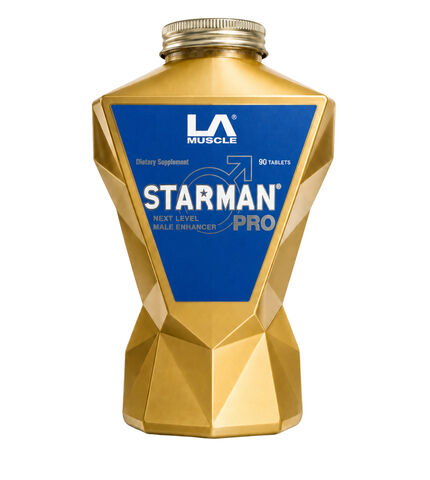
Starman® PRO
Next level male sexual enhancement formula

Fat Stripper Intense
Results in just days, no killing yourself in the gym, you take NO RISK