SIGN IN
 REGISTER


The Knowledge > How To Build Muscle >
Tuesday, 15th September 2026
Why Posing Every Day Can Help You Build a Better-Looking Body
By LA Muscle on 15.09.2026 08:26 am


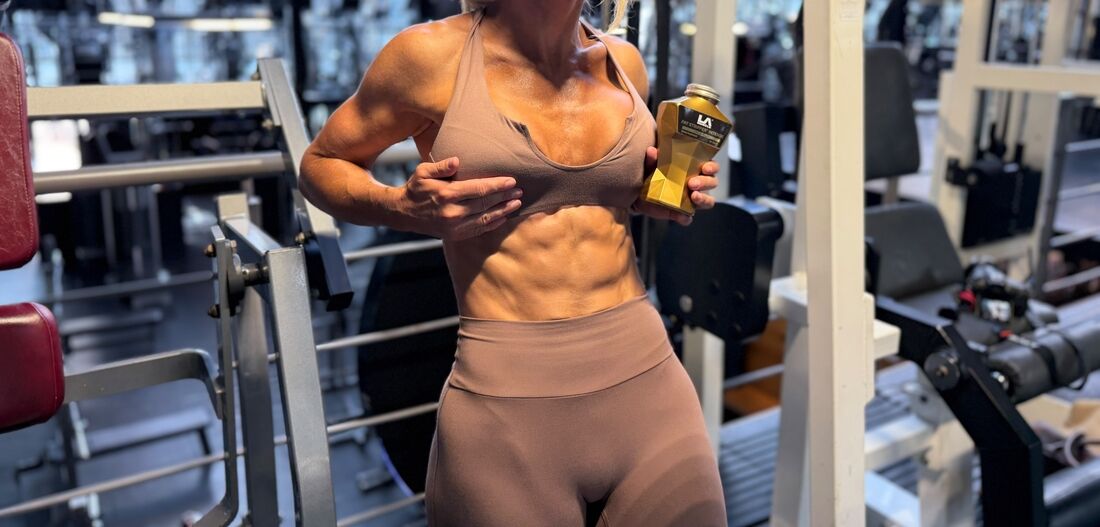
Most bodybuilders spend enormous amounts of time thinking about sets, reps, weights and nutrition, yet one of the simplest tools for improving how a physique looks is often ignored: posing.
Posing isn't just something competitive bodybuilders need to practise before stepping on stage. Regularly contracting your muscles hard, studying your physique and deliberately learning how to display each muscle can improve muscular control, your mind-muscle connection, posture and your ability to see exactly which areas of your physique need more work.
Posing Teaches You to Really Contract a Muscle
There's a big difference between moving a weight from A to B and genuinely making the target muscle do the work. When you hit a bodybuilding pose and squeeze as hard as possible, you're practising voluntary muscular contraction without having to concentrate on moving a weight.
Try hitting a front double biceps pose and holding it for 10–20 seconds. Don't just bend your arms. Contract the biceps as hard as you can while simultaneously tightening your shoulders, chest, abs, legs and calves. Suddenly you become aware of muscles you may normally struggle to feel during training.
That awareness can carry over into the gym. If you've become better at consciously contracting your lats while posing, for example, it may become easier to focus on them during pulldowns and rows rather than allowing your arms to dominate the movement.
Look at Your Body the Way You Want It to Look
There's another important benefit: posing forces you to analyse your physique.
Every day, stand in front of a mirror and actually create the physique you're trying to build. Pull your shoulders into the correct position, spread your lats, tighten your waist, contract your chest and flex your legs. You're effectively showing yourself: this is what I want my physique to look like.
This doesn't magically reshape muscles or replace progressive resistance training. Your muscle shape is heavily influenced by genetics, and meaningful muscle growth still comes primarily from effective resistance training, adequate nutrition and recovery. But posing can teach you how to control and present the muscle you already have while making weaknesses much easier to identify.
Perhaps your shoulders need more width. Maybe your upper chest is lagging. Perhaps your back looks impressive from the front but lacks thickness from behind. You might discover that your legs aren't proportionate to your upper body. A photograph taken while posing properly can reveal these weaknesses even better than casually looking in a mirror.
Is Posing Actually Exercise?
To a degree, yes. Hard posing involves sustained isometric contractions: the muscle produces force without substantially changing length. Hold a genuine maximum contraction for 20–30 seconds and you'll quickly discover that posing can be surprisingly exhausting.
However, don't confuse this with a replacement for your workouts. Posing alone isn't going to build the same amount of muscle as progressively challenging resistance training. Think of it as an addition to bodybuilding training: weights build the raw material; posing helps develop control over it and teaches you how to display it.
The Best Poses to Practise
For most people, these are the most useful poses to practise regularly:
Front double biceps: Flex your biceps while spreading your lats, keeping your waist tight and contracting your quads and calves. Excellent for assessing shoulder-to-waist ratio, arms and overall symmetry.
Front lat spread: One of the best poses for learning how to consciously flare the lats. Aim to make the upper body look wide while keeping the waist tight.
Side chest: Push the chest upwards and outwards while contracting the pecs, arms and nearest leg. This teaches you to display chest thickness rather than simply flexing your pecs.
Side triceps: Particularly useful for developing awareness of the triceps while simultaneously keeping the chest high, waist controlled and legs tight.
Rear double biceps: Essential because most people don't regularly see their backs. Flex the biceps while spreading and contracting the lats, traps, rear delts, hamstrings and calves.
Rear lat spread: Learn to make your back as wide as possible. Practising this can dramatically improve your ability to consciously control your lats.
Abs and thigh: Tighten your abdominal wall while strongly contracting one or both thighs. This is excellent for assessing abdominal condition and quadriceps separation.
Most muscular: Contract virtually everything simultaneously. Chest, delts, traps, arms, abs and legs should all be working. It's also a great way to finish a short posing session.
Try 5–10 Minutes Every Day
You don't need an hour. After training, or at roughly the same time each day, spend five to ten minutes running through the major poses. Hold each pose for around 10–20 seconds, relax briefly and repeat it. Don't merely look at yourself. Contract the muscles deliberately. Learn what makes your physique look wider, thicker, leaner and more proportionate. Take photographs every few weeks under similar lighting and conditions so you can objectively see what's developing and what isn't. Over months of bodybuilding, that feedback becomes valuable. Instead of simply trying to get "bigger", you start training to build a specific physique.
The best bodybuilders don't just build muscle. They develop an extraordinary ability to control it. Train hard, eat properly and recover — but spend a few minutes every day contracting, posing and showing yourself exactly what you're trying to create.



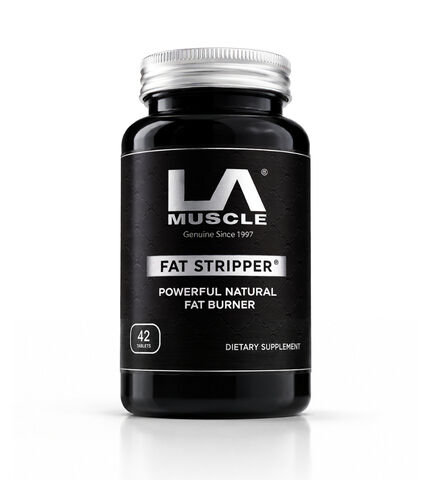
Fat Stripper
Stimulant-free, natural fat burner with no side effects, lose weight NOW!
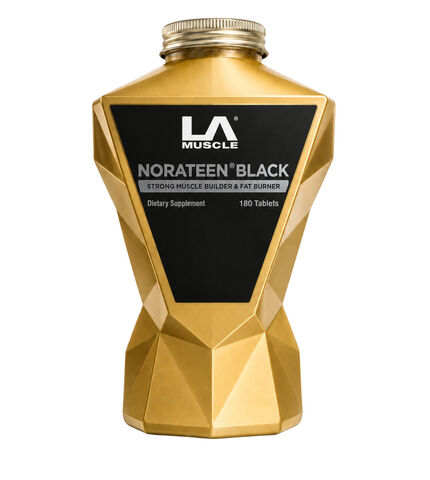
Norateen Black
World's First Norateen® Muscle Builder AND Fat Burner In One