SIGN IN
 REGISTER


The Knowledge > How To Lose Fat >
Wednesday, 5th August 2026
The Right Way to Create a Calorie Deficit: Without Sacrificing Your Health
By LA Muscle on 05.08.2026 09:23 am



A calorie deficit is the foundation of fat loss. Simply put, you lose body fat when you consistently consume fewer calories than your body burns. While the concept is straightforward, the execution is where many people go wrong.
Too often, people slash calories dramatically, eliminate entire food groups, or over-exercise in pursuit of faster results. Although this may produce rapid weight loss initially, it can also lead to fatigue, irritability, poor concentration, hormonal changes, muscle loss, and eventually a stalled metabolism.
The goal shouldn't be to lose weight as quickly as possible. It should be to lose body fat while maintaining your energy, muscle mass, hormonal health, and long-term wellbeing.
What Is a Calorie Deficit?
Your body requires energy every day to perform essential functions such as breathing, regulating body temperature, digesting food, supporting brain function, and physical activity.
When you eat fewer calories than your body uses, it makes up the difference by drawing on stored energy, primarily body fat. This is known as a calorie deficit.
For most people, a moderate calorie deficit of 300-500 calories per day is sufficient to promote steady, sustainable fat loss without placing excessive stress on the body.
Larger deficits may appear attractive because they often produce quicker results at first, but they also increase the risk of muscle loss, nutrient deficiencies, reduced exercise performance, and hormonal disruption.
How Large Should Your Deficit Be?
The ideal calorie deficit depends on factors including:
- Age
- Sex
- Body size
- Activity level
- Training volume
- Current body fat percentage
- Overall health
General recommendations include:
- Small deficit (200-300 calories/day): Slow, sustainable fat loss with minimal impact on energy and performance.
- Moderate deficit (300-500 calories/day): Often considered the ideal balance between progress and maintaining health.
- Large deficit (600+ calories/day): May be appropriate in certain clinical or supervised settings but is generally more difficult to sustain and carries greater risks.
Signs Your Calorie Deficit Is Too Aggressive
Many people assume feeling exhausted or constantly hungry is simply "part of dieting." In reality, these symptoms often indicate that your body is not receiving enough energy.
Warning signs include:
- Constant hunger
- Irritability or mood swings
- Difficulty concentrating
- Brain fog
- Low motivation
- Reduced workout performance
- Poor recovery
- Feeling cold most of the time
- Trouble sleeping
- Frequent illness
- Loss of strength
- Excessive fatigue
These symptoms suggest your body may be struggling to meet its energy demands.
Can a Calorie Deficit Affect Your Thyroid?
A calorie deficit does not typically cause thyroid disease, but prolonged severe calorie restriction can influence thyroid hormone activity. When energy intake remains very low for extended periods, the body adapts by conserving energy. This may include reductions in the active thyroid hormone triiodothyronine (T3), which can lower metabolic rate. This is a normal physiological adaptation rather than permanent thyroid damage. People with an existing thyroid condition, such as hypothyroidism, may find weight loss more challenging and should work with their healthcare provider to ensure their thyroid condition is well managed before making substantial dietary changes.
Symptoms that may warrant medical evaluation include:
- Persistent fatigue despite adequate nutrition
- Unexplained weight changes
- Dry skin
- Hair thinning
- Constipation
- Feeling unusually cold
- Swelling in the neck
- Family history of thyroid disease
If these symptoms occur, it is sensible to seek medical advice rather than assuming they are solely due to dieting.
Why Brain Fog Happens During Dieting
Your brain uses a significant amount of the body's daily energy.
When calorie intake becomes excessively low—or meals are poorly balanced—you may experience:
- Difficulty focusing
- Poor memory
- Reduced productivity
- Slower thinking
- Mental fatigue
This can also occur if meals are low in protein, healthy fats, or complex carbohydrates.
Eating regular, balanced meals throughout the day often helps maintain stable energy and cognitive function.
Low Energy Isn't Always Normal
Some reduction in energy can occur during fat loss, but persistent exhaustion should not be accepted as inevitable.
Potential causes include:
- Eating too few calories
- Inadequate carbohydrate intake
- Poor sleep
- Iron deficiency
- Vitamin B12 deficiency
- Low vitamin D
- Excessive exercise
- Dehydration
- Chronic stress
If fatigue persists despite appropriate nutrition and recovery, it is worth discussing symptoms with a healthcare professional.
Protecting Your Muscle While Losing Fat
One of the biggest mistakes people make is focusing only on the number on the scale. Without enough protein and resistance training, the body may lose muscle alongside fat.
To preserve lean muscle:
- Eat sufficient protein (approximately 1.2-2.0 g/kg of body weight per day for many active adults, depending on goals and circumstances).
- Include resistance training two to four times per week.
- Avoid crash diets.
- Get adequate sleep.
- Allow time for recovery between workouts.
Maintaining muscle helps preserve strength, physical function, and metabolic health.
The Importance of Nutrient Quality
A calorie deficit should never mean sacrificing nutrition.
Prioritise foods that provide vitamins, minerals, fibre, and protein, including:
- Lean proteins
- Vegetables
- Fruit
- Whole grains
- Beans and legumes
- Dairy or fortified alternatives
- Nuts and seeds
- Healthy fats such as olive oil and oily fish
These foods help maintain satiety, support immune function, and reduce the likelihood of nutritional deficiencies.
Should You Take Diet Breaks?
Long periods of continuous dieting can become physically and mentally challenging.
For some people, planned diet breaks—returning to estimated maintenance calories for one to two weeks while maintaining healthy eating habits—may improve adherence and reduce feelings of restriction. Evidence suggests they can also support training performance and psychological wellbeing, although they are not essential for everyone.
When to Stop Your Diet
Fat loss should never come at the expense of your health.
Consider reassessing your calorie deficit if you experience:
- Persistent dizziness
- Fainting
- Severe fatigue
- Loss of menstrual periods
- Ongoing brain fog
- Chest pain
- Rapid or irregular heartbeat
- Significant hair loss
- Repeated illness
- Unexplained swelling
- Symptoms suggestive of an eating disorder
These symptoms deserve prompt medical assessment.
How to Lose Fat Safely
Healthy fat loss is rarely about perfection. It is about consistency.
Aim to:
- Maintain a moderate calorie deficit.
- Eat enough protein.
- Include plenty of whole foods.
- Stay hydrated.
- Strength train regularly.
- Prioritise sleep.
- Manage stress.
- Monitor how you feel, not just the number on the scale.
- Adjust calories if energy, mood, or performance decline significantly.
A calorie deficit is an effective and evidence-based method for reducing body fat, but bigger is not always better. The healthiest approach is one that allows steady progress while supporting physical and mental wellbeing.
Feeling constantly exhausted, irritable, mentally foggy, or unable to recover from exercise should not be viewed as a badge of honour. These can be signs that your body needs more energy, better nutrition, more recovery, or, in some cases, medical evaluation.
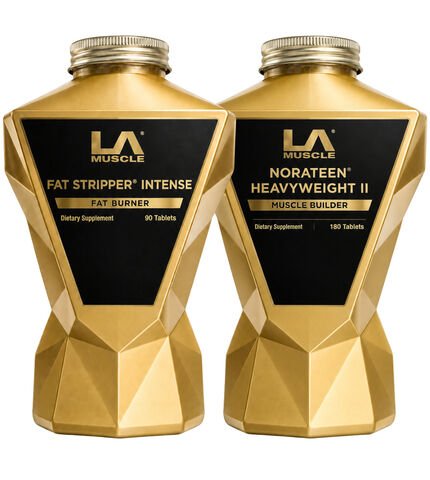
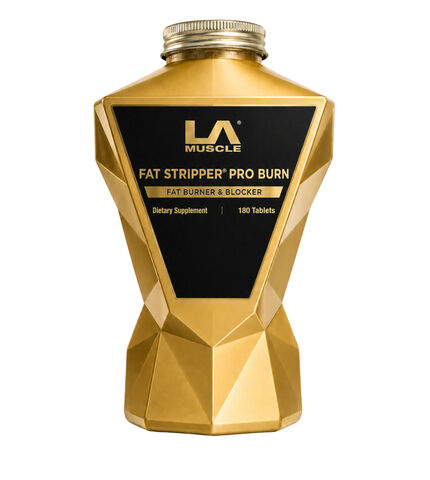
The most successful fat-loss plan is one you can sustain—one that improves your health rather than compromising it. By combining a sensible calorie deficit with balanced nutrition, resistance training, good sleep, and attention to your body's signals, you can achieve lasting results while protecting your metabolism, hormones, and overall quality of life. To help with calorie deficit and losing weight, you can take Fat Stripper, Fat Stripper Intense and/or Fat Stripper PRO Burn.
Disclaimer: This article is for educational purposes only and should not replace personalised medical advice. If you have a diagnosed medical condition, are pregnant, have symptoms suggestive of an eating disorder, or experience persistent fatigue or other concerning symptoms while dieting, consult a qualified healthcare professional before making significant dietary changes.








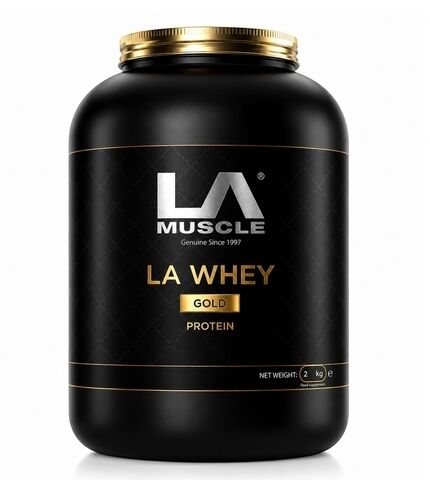
LA Whey Gold Protein
Voted "Best for Hard Gainers", Now with FREE Leaning agents, 50g per serving
Nuclear Creatine II Extreme
World's Strongest Testosterone Creatine Formula