SIGN IN
 REGISTER


The Knowledge > Exclusive Articles >
Wednesday, 11th November 2026
The Best Workout Regimes for Every Decade of Your Life
By LA Muscle on 11.11.2026 07:52 am



Your body changes as you age, but your ability to build muscle, develop strength and maintain an impressive physique does not suddenly disappear when you reach 40, 50 or even 60. The secret is understanding how your body responds to exercise at different stages of life and adapting your training accordingly.
A workout programme that produces excellent results at 25 may not be the most effective approach at 55. Recovery requirements change, hormones fluctuate, joints accumulate wear and tear, and maintaining muscle becomes increasingly important. However, with intelligent training, proper nutrition and sufficient recovery, it is possible to remain muscular, strong and lean well into later life.
In fact, some people achieve their best physiques in their 40s, 50s and beyond because they finally understand the importance of consistency, exercise selection, nutrition and recovery.
Here is a comprehensive guide to the best workout regimes for every decade, explaining exactly what to concentrate on, what to change and how to continue building muscle while keeping body fat under control.
Your 20s: Building the Foundation for a Lifetime of Muscle
Your 20s are an excellent time to establish a foundation of muscle, strength, athleticism and good exercise habits. Testosterone and other anabolic hormones are generally favourable for muscle development, recovery capacity is often high, and the body can adapt rapidly to progressive resistance training. However, one of the biggest mistakes people make in their 20s is assuming they can train endlessly without consequences. Poor technique, excessive lifting and inadequate recovery can create injuries that affect training for years.
What to Concentrate On
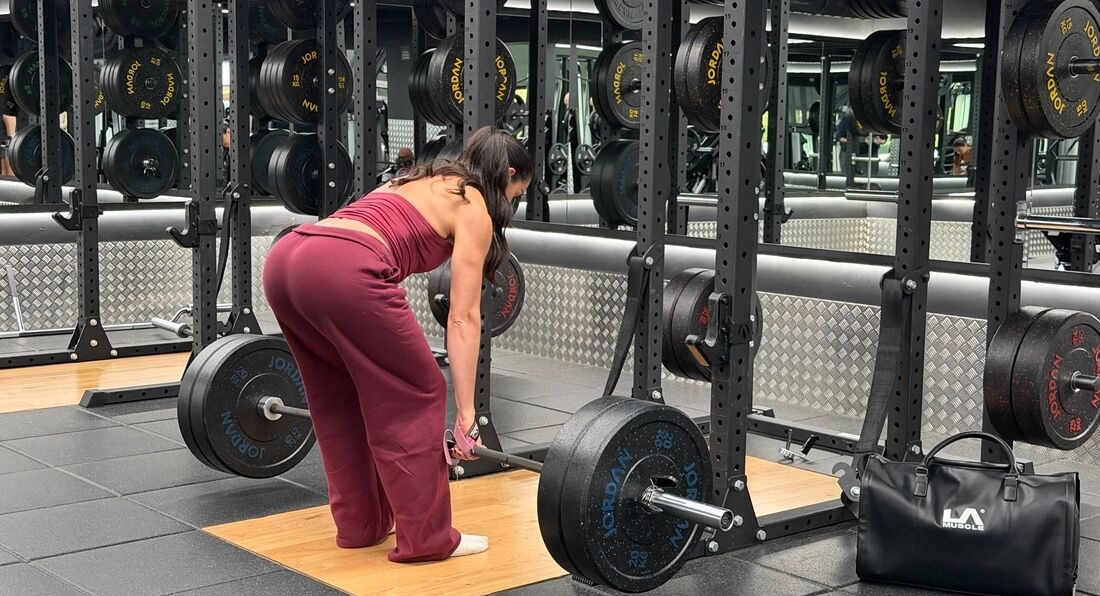
The main priority during your 20s should be progressive overload and building a balanced muscular foundation. This means gradually increasing the weights you lift, the repetitions you perform or the overall quality of your training. Concentrate on mastering the major compound exercises, including squats, deadlifts, bench presses, overhead presses, pull-ups and rows. These movements recruit multiple muscle groups and provide an excellent foundation for developing overall size and strength. Training each major muscle group twice per week is generally more productive than concentrating on one body part only once a week, particularly when weekly training volume is properly managed.
The Ideal Workout Regime in Your 20s
A four- or five-day training split works particularly well for many people at this age.
Monday – Upper Body Strength
Bench press: 4 sets of 6–8 repetitions
Pull-ups: 4 sets of 6–10 repetitions
Overhead press: 3 sets of 8 repetitions
Barbell rows: 3 sets of 8–10 repetitions
Biceps curls: 3 sets of 10–12 repetitions
Triceps extensions: 3 sets of 10–12 repetitions
Tuesday – Lower Body Strength
Squats: 4 sets of 6–8 repetitions
Romanian deadlifts: 3 sets of 8–10 repetitions
Leg presses: 3 sets of 10 repetitions
Walking lunges: 3 sets of 12 repetitions per leg
Standing calf raises: 4 sets of 12–15 repetitions
Wednesday – Active Recovery
Light cardiovascular exercise, walking, stretching or mobility work.
Thursday – Upper Body Hypertrophy
Concentrate on chest, back, shoulders and arms using moderate weights and 8–15 repetitions per set.
Friday – Lower Body Hypertrophy
Concentrate on quadriceps, hamstrings, glutes and calves using controlled repetitions and a combination of compound and isolation exercises.
Saturday – Optional Conditioning
Twenty to thirty minutes of cycling, swimming, running or interval training.
Sunday – Rest
Nutrition and Staying Lean in Your 20s
Your 20s are a good time to establish healthy eating habits. Avoid the temptation to consume enormous amounts of food simply because you want to gain muscle. For muscle growth, aim for approximately 1.6–2.2 grams of protein per kilogram of body weight daily. A modest calorie surplus of around 150–300 calories per day is a reasonable starting point for gaining muscle while limiting unnecessary fat accumulation. If your priority is fat loss, maintain a moderate calorie deficit while continuing to lift weights.
The golden rule for your 20s: Build as much quality muscle and strength as you reasonably can, master proper technique and avoid unnecessary injuries.
Your 30s: Maximising Muscle While Managing Recovery
Your 30s can be one of the most productive decades for building an impressive physique. Many people have accumulated years of training experience and developed the discipline necessary to achieve outstanding results. Although some physiological changes begin during this decade, there is no reason to expect a dramatic decline in muscle-building ability simply because you have turned 30. The biggest challenges often come from lifestyle rather than biology. Careers become more demanding, family responsibilities increase, sleep may suffer and training can become inconsistent.
What Changes in Your 30s?
Recovery may become less forgiving, particularly when training is combined with poor sleep, stress or demanding work schedules. Small injuries can also become more noticeable if they are repeatedly ignored. The solution is not necessarily to train less, but to train more intelligently.
What to Concentrate On
During your 30s, focus on maintaining progressive overload while improving the efficiency of your workouts. Rather than spending two hours in the gym performing unnecessary exercises, aim to make every working set productive. A combination of heavy compound movements and targeted isolation exercises remains ideal for building muscle. It is also important to begin taking mobility, cardiovascular fitness and injury prevention more seriously.
The Ideal Workout Regime in Your 30s
A four-day upper/lower split provides an excellent balance between muscle stimulation and recovery.
Monday – Upper Body
Bench press: 4 sets of 6–8 repetitions
Pull-ups or lat pulldowns: 3 sets of 8–12 repetitions
Incline dumbbell press: 3 sets of 10 repetitions
Seated cable rows: 3 sets of 10 repetitions
Lateral raises: 3 sets of 12–15 repetitions
Biceps and triceps exercises: 3 sets each
Tuesday – Lower Body
Squats: 4 sets of 6–8 repetitions
Romanian deadlifts: 3 sets of 8 repetitions
Leg presses: 3 sets of 10–12 repetitions
Hamstring curls: 3 sets of 12 repetitions
Calf raises: 3 sets of 15 repetitions
Wednesday – Recovery and Cardio
Thirty minutes of moderate cardiovascular exercise and mobility work.
Thursday – Upper Body Hypertrophy
Repeat the upper-body muscle groups using different exercise variations and a slightly higher repetition range.
Friday – Lower Body Hypertrophy
Concentrate on controlled movements, muscle contraction and balanced leg development.
Saturday and Sunday – Recovery
Walking, recreational sports or light activity, with at least one day free from demanding exercise.
Nutrition and Staying Lean in Your 30s
Maintaining a lean physique becomes increasingly dependent on balancing calorie intake with activity levels. If your work involves sitting for prolonged periods, you may burn considerably fewer calories than you did during a more active lifestyle in your 20s. Continue consuming approximately 1.6–2.2 grams of protein per kilogram of body weight and maintain regular daily movement. Walking 8,000–10,000 steps per day is a useful target for many healthy adults, although lower or higher amounts can be appropriate depending on fitness and circumstances.
The golden rule for your 30s: Train hard, but make recovery, sleep and consistency part of your muscle-building strategy.
Your 40s: Training Smarter Without Sacrificing Muscle Growth
Your 40s are often the decade when people begin to notice more significant differences in their response to exercise. Some experience increased body fat, reduced energy or slower recovery. However, these changes are not inevitable, and many are influenced by physical inactivity, poor nutrition, stress and inadequate sleep. The good news is that resistance training remains highly effective for building muscle and maintaining strength throughout your 40s.
What Changes in Your 40s?
Age-related muscle loss can begin gradually during adulthood, particularly in people who are physically inactive. Hormonal changes may also influence body composition, although the extent varies considerably between individuals. Tendons and connective tissues may become less tolerant of sudden increases in training load. Consequently, proper warm-ups and gradual progression become increasingly valuable.
What to Concentrate On
The priority should be muscle hypertrophy, joint-friendly strength training and maintaining metabolic health. You should still lift challenging weights. There is no scientific reason for everyone over 40 to abandon heavy resistance training and switch exclusively to light weights. However, the emphasis should move away from constantly testing maximum lifts and towards accumulating productive training volume with excellent technique. Machines, cables and dumbbells can become particularly useful because they allow effective muscle stimulation without requiring the same stabilisation demands as some free-weight exercises.
The Ideal Workout Regime in Your 40s
A four-day programme combining strength and hypertrophy is an excellent option.
Monday – Chest, Shoulders and Triceps
Incline dumbbell press: 3 sets of 8–10 repetitions
Machine chest press: 3 sets of 10–12 repetitions
Seated shoulder press: 3 sets of 8–10 repetitions
Cable lateral raises: 3 sets of 12–15 repetitions
Triceps pushdowns: 3 sets of 12 repetitions
Tuesday – Back and Biceps
Lat pulldowns: 3 sets of 8–12 repetitions
Chest-supported rows: 3 sets of 10 repetitions
Seated cable rows: 3 sets of 12 repetitions
Rear delt flyes: 3 sets of 15 repetitions
Dumbbell curls: 3 sets of 10–12 repetitions
Wednesday – Cardio and Mobility
Thirty to forty minutes of brisk walking, cycling or swimming.
Thursday – Legs and Core
Squats or hack squats: 3 sets of 8–10 repetitions
Romanian deadlifts: 3 sets of 10 repetitions
Leg extensions: 3 sets of 12 repetitions
Hamstring curls: 3 sets of 12 repetitions
Calf raises: 3 sets of 15 repetitions
Planks: 3 sets of 30–60 seconds
Friday – Full Body
A moderate-volume workout concentrating on major muscle groups, particularly those needing additional development.
Weekend – Active Recovery
Nutrition and Staying Lean in Your 40s
Protein intake becomes especially important as you age. Aim for approximately 1.6–2.2 grams per kilogram of body weight when actively pursuing muscle growth. Avoid aggressive dieting that sacrifices muscle tissue simply to achieve rapid weight loss. Combine resistance training with regular cardiovascular exercise and monitor your waist circumference as well as your body weight.
The golden rule for your 40s: Keep challenging your muscles, but prioritise controlled progression, joint health and long-term consistency.
Your 50s: Building Muscle, Fighting Age-Related Muscle Loss and Staying Lean
Your 50s represent an important decade for preserving muscle mass, strength and physical independence. This is also the decade when many people mistakenly assume that their best physical years are behind them. That assumption is wrong. Research consistently demonstrates that adults in their 50s and beyond can increase muscle size and strength through progressive resistance training. Even people who begin lifting weights for the first time at this age can achieve meaningful improvements. The difference is that recovery and exercise selection deserve greater attention.
What Changes in Your 50s?
Age-related reductions in muscle mass and strength may become more noticeable, especially in inactive individuals. Some people also experience reduced tendon resilience, changes in sleep quality and hormonal changes that influence muscle maintenance and fat distribution. In women, the menopause transition can affect body composition, bone health and recovery. In men, testosterone levels may decline gradually, although the pattern varies considerably. Importantly, these changes do not mean that muscle growth stops.
What to Concentrate On
The primary goal should be to maintain and increase muscle mass while preserving strength, balance, cardiovascular fitness and joint mobility. Lower-body strength becomes particularly important because the legs and glutes play a major role in mobility, balance and maintaining independence. You should also focus on preventing the gradual loss of explosive power, which can decline faster than maximum strength with advancing age. This does not mean performing dangerous explosive lifts. Controlled, relatively fast lifting movements with appropriate loads can help maintain power when performed safely.
The Ideal Workout Regime in Your 50s
A three- or four-day resistance training programme works exceptionally well for many people.
Monday – Full Body Strength
Leg press or squat: 3 sets of 8–10 repetitions
Dumbbell bench press: 3 sets of 8–10 repetitions
Seated cable row: 3 sets of 10 repetitions
Romanian deadlift: 3 sets of 10 repetitions
Lateral raises: 3 sets of 12–15 repetitions
Plank: 3 sets of 30–45 seconds
Tuesday – Cardiovascular Fitness
Thirty to forty minutes of brisk walking, cycling or swimming.
Wednesday – Upper Body Hypertrophy
Incline chest press: 3 sets of 10 repetitions
Lat pulldown: 3 sets of 10 repetitions
Seated shoulder press: 3 sets of 10 repetitions
Cable rows: 3 sets of 12 repetitions
Dumbbell curls: 3 sets of 12 repetitions
Triceps pushdowns: 3 sets of 12 repetitions
Thursday – Active Recovery
Walking and gentle mobility exercises.
Friday – Lower Body and Core
Leg press: 3 sets of 10–12 repetitions
Step-ups: 3 sets of 10 repetitions per leg
Hamstring curls: 3 sets of 12 repetitions
Glute bridges: 3 sets of 12 repetitions
Calf raises: 3 sets of 15 repetitions
Farmer's carries: 3 sets of 30 seconds
Saturday – Optional Cardio
Twenty to thirty minutes of moderate cardiovascular exercise.
Sunday – Rest
Nutrition and Staying Lean in Your 50s
Muscle protein synthesis can become less responsive to smaller amounts of dietary protein with advancing age, a phenomenon often described as anabolic resistance. This makes sufficient protein intake particularly important. For healthy, physically active adults, approximately 1.6–2.0 grams per kilogram of body weight is a practical daily target when aiming to build or preserve muscle. Higher intakes are not automatically better, and individual medical circumstances can affect protein requirements. Distributing protein across three or four meals can help support muscle maintenance. Creatine monohydrate is also one of the most extensively researched sports supplements and has evidence supporting improvements in strength and lean mass when combined with resistance training.
The golden rule for your 50s: Never stop challenging your muscles. Strength training is one of the most valuable investments you can make in your long-term health and physique.
Your 60s: Maintaining Strength, Building Muscle and Protecting Mobility
By your 60s, resistance training becomes even more important. Muscle loss, declining power and reduced physical activity can contribute to frailty, poorer balance and an increased risk of falls. However, these outcomes are not unavoidable. Numerous studies have demonstrated that older adults can achieve substantial improvements in strength and muscle function through resistance exercise. The key is selecting an appropriate programme and progressing gradually.
What Changes in Your 60s?
Recovery may take longer after demanding sessions, and existing joint problems can influence exercise selection. Bone density, balance and cardiovascular fitness also deserve increased attention. For many people, maintaining the ability to climb stairs, carry shopping, get up from a chair and walk confidently becomes just as important as lifting heavier weights.
What to Concentrate On
Focus on preserving muscle mass, increasing functional strength and maintaining balance. Resistance training should remain challenging enough to stimulate adaptation. Using weights that are too light to create meaningful muscular effort will produce limited results. Machines can provide additional stability, while free weights and bodyweight exercises can help maintain coordination and functional strength.
The Ideal Workout Regime in Your 60s
Three full-body sessions per week, separated by recovery days, are an excellent starting point.
Monday – Full Body
Leg press: 3 sets of 10 repetitions
Chest press: 3 sets of 10 repetitions
Seated row: 3 sets of 10 repetitions
Hamstring curls: 2 sets of 12 repetitions
Dumbbell curls: 2 sets of 12 repetitions
Standing calf raises: 3 sets of 15 repetitions
Wednesday – Full Body
Sit-to-stand squats or goblet squats: 3 sets of 10 repetitions
Lat pulldowns: 3 sets of 10 repetitions
Dumbbell shoulder press: 2 sets of 10 repetitions
Glute bridges: 3 sets of 12 repetitions
Triceps pushdowns: 2 sets of 12 repetitions
Farmer's carries: 3 sets of 20–30 seconds
Friday – Full Body
Repeat Monday's exercises or use comfortable variations, progressing resistance as strength improves.
On non-training days, concentrate on walking, swimming, cycling and balance exercises.
Nutrition and Staying Lean in Your 60s
Maintaining adequate protein intake becomes essential. A daily intake around 1.2–1.6 grams per kilogram of body weight is a useful general range for many healthy, active older adults, while those undertaking demanding resistance training may benefit from higher intakes. Adequate calcium, vitamin D and overall energy intake also support musculoskeletal health. Avoid extreme calorie restriction. Losing weight too quickly at this age can result in unnecessary muscle loss.
The golden rule for your 60s: Prioritise muscle, strength, balance and mobility. Staying lean is important, but preserving muscle and physical function is even more valuable.
Your 70s and Beyond: Staying Strong, Independent and Muscular
Strength training should not end when you reach your 70s. In fact, its importance increases. Studies involving adults in their 70s, 80s and even 90s have demonstrated that progressive resistance training can improve strength and physical performance. Although muscle-building potential may be reduced compared with younger adults, meaningful improvements remain possible.
What Changes After 70?
Muscle power, balance and mobility may decline more rapidly, particularly when physical activity is limited. Recovery capacity and tolerance for high training volumes can also vary considerably. At this stage, individual health, previous training experience and functional ability matter far more than chronological age alone. A fit 75-year-old who has trained consistently for decades may comfortably perform exercises that would be unsuitable for a sedentary 55-year-old beginner.
What to Concentrate On
Concentrate on maintaining lower-body strength, balance, grip strength and the ability to perform everyday movements confidently. Regular resistance training can support independence and help reduce the risk of physical decline.
The Ideal Workout Regime for Your 70s and Beyond
Two or three full-body sessions each week provide an effective starting point.
Monday – Strength and Mobility
Chair squats or supported squats: 2–3 sets of 8–12 repetitions
Seated chest press: 2–3 sets of 10 repetitions
Seated rows: 2–3 sets of 10 repetitions
Standing calf raises: 2 sets of 12 repetitions
Light farmer's carries: 2 sets of 20 seconds
Wednesday – Strength and Balance
Supported step-ups: 2 sets of 8 repetitions per leg
Lat pulldowns: 2–3 sets of 10 repetitions
Light dumbbell shoulder press: 2 sets of 10 repetitions
Seated leg curls: 2 sets of 12 repetitions
Supported balance exercises: 5–10 minutes
Friday – Full Body
Repeat a selection of Monday's exercises with an emphasis on good technique and controlled movement.
Walking and other comfortable cardiovascular activities should be encouraged throughout the week. For beginners or people with balance limitations, supervised exercise and appropriately adapted movements are especially valuable.
The golden rule for your 70s and beyond: Keep moving, keep lifting and keep challenging your muscles at a level appropriate to your ability.
How Your Training Priorities Should Change With Age
The main priorities for each decade are straightforward. In your 20s, concentrate on building a strong muscular foundation and mastering technique, ideally with four or five resistance training sessions each week if your recovery and schedule allow. In your 30s, maximise hypertrophy while managing recovery, with four weekly sessions providing an excellent balance. In your 40s, preserve strength, continue increasing muscle and protect your joints, generally using three or four sessions per week. In your 50s, concentrate on combating muscle loss and maintaining strength with three or four sessions. In your 60s, muscle preservation, balance and mobility become increasingly important, with two or three sessions providing a practical starting point. From your 70s onwards, maintaining independence, strength and functional movement becomes a major priority, with two or three appropriately structured sessions each week.
These are suggested starting structures rather than strict age-based limits. A well-trained person in their 60s may benefit from four or five weekly sessions, while someone in their 20s may make excellent progress with three.
The Seven Rules for Building Muscle and Staying Lean at Any Age
1. Progressive Overload Is Essential
Muscles grow when they are exposed to sufficient resistance and gradually increasing demands. Whether you are 25 or 65, your muscles need a reason to adapt. This does not mean lifting heavier weights every session. Increasing repetitions, improving technique, adding a set or gradually increasing resistance can all contribute to progression.
2. Protein Becomes Increasingly Important
Protein supplies the amino acids necessary for muscle repair and growth. As we age, maintaining adequate protein intake becomes particularly important because the muscle-building response to dietary protein may become less efficient. For most healthy adults actively pursuing muscle growth, approximately 1.6–2.2 grams per kilogram of body weight daily is a useful range.
3. Recovery Is Part of Muscle Growth
Muscles do not grow simply because you lift weights. Training provides the stimulus, while recovery allows adaptation. Aim for sufficient sleep, avoid repeatedly training through significant pain and adjust your workload when fatigue accumulates. Older adults do not automatically need dramatically longer recovery periods, but individual recovery capacity should guide training frequency and intensity.
4. Never Abandon Cardiovascular Exercise
Resistance training builds and preserves muscle, but cardiovascular exercise supports heart health, endurance and calorie expenditure. Aim to work towards approximately 150 minutes of moderate-intensity aerobic activity each week, alongside regular strength training. Walking, cycling, swimming and other low-impact activities can all be effective.
5. Train Your Legs Throughout Your Life
Lower-body muscle mass and strength are essential for maintaining mobility, balance and physical independence. Squats, leg presses, lunges, step-ups and hip-hinge exercises should remain part of your training whenever appropriate. Neglecting your legs becomes increasingly costly as you age.
6. Do Not Confuse Being Lighter With Being Leaner
Losing body weight is not the same as improving body composition. If you lose significant muscle during dieting, you may end up weighing less without achieving the strong, defined physique you want. A better strategy is to combine resistance training, adequate protein and a controlled calorie deficit when fat loss is necessary. For most people, a gradual approach is more sustainable than aggressive dieting.
7. Consistency Beats Occasional Extreme Effort
One of the biggest differences between people who maintain impressive physiques into later life and those who gradually lose fitness is consistency. Training three times every week for twenty years is far more valuable than following an extreme six-day programme for a few months and then abandoning exercise altogether. The most effective workout is one that challenges your body and can be maintained over the long term.
How to Know When It Is Time to Change Your Workout
Age alone should not determine when you change your training programme. Your performance, recovery and physical condition provide more useful information. Consider modifying your programme if you experience persistent joint discomfort, declining performance over several weeks, unusually prolonged soreness, worsening sleep, persistent fatigue or a lack of progress despite consistent training and adequate nutrition. Rather than immediately reducing all training intensity, examine your weekly volume, exercise selection, recovery and nutrition. Sometimes replacing a barbell exercise with a machine variation, reducing unnecessary sets or adding an extra recovery day is enough to restore progress.
You Are Never Too Old to Build Muscle
The human body retains an extraordinary ability to adapt to exercise throughout life. Your 20s may provide an excellent opportunity to establish a muscular foundation, but your 30s and 40s can be equally productive when training is intelligent and consistent. Your 50s and 60s are not decades in which you should surrender muscle and strength. They are decades in which maintaining and developing muscle becomes increasingly important. Even in your 70s and beyond, resistance training can produce meaningful improvements in strength, physical function and quality of life.
The biggest mistake is not getting older. It is assuming that getting older means you should stop pushing yourself physically. You may need to change your exercises, adjust your training frequency, improve your recovery or become more disciplined with nutrition. But the fundamental principles of muscle growth remain the same. Challenge your muscles, feed them properly, allow them to recover and repeat consistently.
Age should change the way you train, not your ambition to remain strong, muscular and lean.






Possessed II
The STRONGEST Pre-Workout in the world. Insanity from day 1

Starman® PRO
Next level male sexual enhancement formula