SIGN IN
 REGISTER


Wednesday, 4th November 2026
10 Foods That Sound Unhealthy
but Are Actually Great
By LA Muscle on 04.11.2026 04:02 pm


Think burgers, pizza, chocolate and potatoes are ruining your physique? Think again. Some foods with the worst reputations can actually help you build muscle, support fat loss and achieve a leaner, stronger body.
When it comes to building muscle and losing body fat, most people immediately think of chicken breasts, broccoli, protein shakes and endless salads. Meanwhile, foods such as burgers, cheese, potatoes and even chocolate are often labelled as unhealthy and eliminated from the diet. But here's the surprising truth: many supposedly unhealthy foods contain valuable nutrients that support muscle growth, recovery, energy production and fat loss. The secret isn't necessarily avoiding certain foods. It's understanding their nutritional value, choosing the right ingredients and controlling portions. Here are 10 foods that sound unhealthy but deserve a place in a serious muscle-building and fat-loss diet.
1. Burgers – A Muscle-Building Protein Powerhouse
Burgers have developed a terrible reputation, largely because of their association with fast food, excessive calories and processed ingredients. However, a properly prepared beef burger can be an excellent muscle-building meal. Lean beef contains high-quality complete protein, providing all nine essential amino acids required for muscle repair and growth. It is also naturally rich in creatine, iron, zinc and vitamin B12, nutrients that support muscular performance, energy metabolism and recovery. A 150g lean beef burger can provide approximately 30g or more of protein, depending on the fat content. The key is choosing lean minced beef, grilling rather than frying in excessive oil, and avoiding calorie-heavy sauces. Add salad, tomatoes and a wholemeal bun, and you have a balanced meal that supports muscle development without unnecessary calories.
Muscle-building tip: Choose 5% fat beef mince and combine your burger with vegetables and a moderate portion of carbohydrates for a high-protein post-workout meal.
2. Potatoes – One of the Most Underrated Fitness Foods
Potatoes are frequently blamed for weight gain because they contain carbohydrates. Yet ordinary potatoes are naturally low in fat, highly filling and packed with useful nutrients. A medium baked potato provides carbohydrates to replenish muscle glycogen, alongside potassium and vitamin C. Glycogen is particularly important for anyone performing intense weight training, as it provides a readily available source of energy during exercise. Potatoes also score highly in research examining food satiety, meaning they can help you feel fuller for longer. This makes them particularly useful during a calorie-controlled fat-loss diet. The problem isn't usually the potato itself. It's the excessive butter, oil, cream and cheese often added during preparation.
Fat-loss tip: Eat boiled or baked potatoes with their skins, paired with lean protein. Cooked and cooled potatoes also develop some resistant starch, although the effect on overall fat loss is modest.
3. Whole Eggs – A Complete Muscle-Building Food
For years, egg yolks were demonised because of their cholesterol content. Many fitness enthusiasts consequently switched to eating only egg whites. However, whole eggs provide an impressive combination of protein, healthy fats, vitamins and minerals. A large egg contains approximately 6–7g of high-quality protein. The yolk also provides choline, vitamin B12, selenium and other nutrients involved in normal muscular and metabolic function. Research has shown that whole eggs can stimulate muscle protein synthesis effectively after resistance exercise. Although this doesn't mean whole eggs automatically produce more muscle over the long term, it demonstrates that the yolk is far from nutritionally useless. Eggs are also filling, making them a practical choice for controlling hunger during fat loss.
Muscle-building tip: Combine two whole eggs with additional egg whites for a protein-rich breakfast that provides valuable nutrients without excessive calories.
4. Pizza – Yes, Pizza Can Fit a Muscle-Building Diet
Pizza might seem like the ultimate food to avoid when trying to get lean. However, its nutritional value depends heavily on how it's prepared. A pizza made with a thin base, tomato sauce, mozzarella, chicken and vegetables can provide protein, carbohydrates and useful micronutrients in one meal. Mozzarella contributes protein and calcium, while the tomato sauce supplies lycopene, an antioxidant found in cooked tomatoes. The carbohydrates in the base can also help replenish muscle glycogen after demanding workouts. Of course, a large takeaway pizza loaded with processed meats, extra cheese and oil can easily contain more calories than you need. But a homemade version with controlled portions can fit comfortably into a muscle-building or fat-loss programme.
Fitness tip: Use a thin wholemeal base, moderate amounts of mozzarella and generous portions of chicken or tuna to increase protein without dramatically increasing calories.
5. Dark Chocolate – A Surprisingly Nutritious Treat
Chocolate is normally associated with sugar, fat and unwanted weight gain. But dark chocolate, particularly varieties containing 70% cocoa or more, offers some interesting nutritional benefits. Cocoa contains flavanols, plant compounds associated with improved blood vessel function and healthy circulation. Dark chocolate also provides magnesium, iron and other minerals. While chocolate does not directly build muscle or burn body fat, enjoying a small amount can make a structured diet more sustainable by reducing feelings of restriction. This matters because consistency is one of the biggest factors in successful long-term fat loss. Dark chocolate is still calorie-dense, so portions matter.
Fat-loss tip: Enjoy 15–25g of dark chocolate as an occasional treat rather than eliminating chocolate entirely. Choose varieties with higher cocoa content and less added sugar.
6. Baked Beans – A Surprising Source of Protein and Fibre
Baked beans are often dismissed as an unhealthy convenience food, particularly because many supermarket varieties contain added sugar and salt. However, beans are actually an excellent addition to a muscle-building and fat-loss diet. They provide plant-based protein, complex carbohydrates, fibre, iron and magnesium, all of which contribute to a nutritious, balanced diet. A typical 200g serving of baked beans contains approximately 9–10g of protein and 7–10g of fibre, depending on the brand. The combination of protein and fibre helps promote fullness, making baked beans particularly useful when trying to control hunger and reduce overall calorie intake. Their carbohydrates also provide energy for demanding workouts, while their relatively low fat content makes them a practical alternative to many calorie-dense convenience foods. Although baked beans aren't as protein-rich as meat, eggs or fish, combining them with other protein sources makes them a valuable part of a muscle-building diet.
Muscle-building tip: Choose reduced-sugar, reduced-salt baked beans and serve them with scrambled eggs on wholemeal toast for a filling, protein-rich meal that supports muscle recovery and fat-loss goals.
7. Cheese – Protein, Calcium and Muscle Support
Cheese is another food that frequently gets placed on the forbidden list because of its saturated fat content. Yet cheese can provide substantial amounts of protein, calcium, phosphorus and vitamin B12. Certain varieties are particularly useful for fitness enthusiasts. Cottage cheese is rich in protein, including casein, which is digested relatively slowly and provides a sustained supply of amino acids. This makes cottage cheese a convenient evening snack for people trying to support muscle recovery overnight. Even stronger cheeses such as Parmesan can be useful in small quantities, adding flavour and protein without needing large servings. The important distinction is between moderate portions of nutrient-rich cheese and consuming excessive quantities of high-calorie varieties.
Muscle-building tip: Try 150–200g of cottage cheese with fruit or vegetables as a protein-rich snack, particularly when your daily protein intake needs a boost.
8. Popcorn – A High-Volume Snack for Fat Loss
Popcorn sounds like junk food because most people associate it with cinemas, butter and sugary coatings. However, plain air-popped popcorn is actually a wholegrain food containing fibre and relatively few calories for its volume. Approximately 25g of plain popcorn kernels produces a generous serving with around 95 calories before adding toppings. Its high volume makes it a useful alternative to crisps, biscuits and other energy-dense snacks when you're trying to control hunger. Popcorn also provides some polyphenols and carbohydrates, although it shouldn't be considered a significant source of muscle-building protein. For fat loss, its biggest advantage is simple: you can enjoy a satisfying portion without consuming hundreds of calories.
Fat-loss tip: Prepare popcorn using an air popper or minimal oil, and season it with paprika, herbs or a little salt instead of butter and sugar.
9. Full-Fat Greek Yoghurt – Protein and Staying Power
Many people automatically choose fat-free products when dieting, assuming that any food containing fat must interfere with fat loss. However, full-fat Greek yoghurt can be a nutritious choice, providing protein, calcium and, in some varieties, live bacterial cultures. Its combination of protein and fat can make it satisfying, potentially helping some people control hunger between meals. Authentic strained Greek yoghurt is particularly useful because it often contains considerably more protein than ordinary yoghurt. Protein supports muscle maintenance and growth, especially when combined with resistance training. Maintaining muscle during a calorie deficit is important because it helps preserve strength and lean body mass. Full-fat yoghurt does contain more calories than low-fat alternatives, so neither option is automatically better. The best choice depends on your total calorie and protein requirements.
Fitness tip: Choose plain Greek yoghurt rather than sugar-heavy flavoured varieties. Add berries and a small amount of nuts for a nutritious breakfast or recovery snack.
10. Steak – A Nutrient-Dense Food for Strength and Recovery
Red meat often attracts negative headlines, leading some people to believe that steak has no place in a healthy diet. However, lean, unprocessed steak is one of the richest natural sources of high-quality protein, iron, zinc and vitamin B12. Beef also contains naturally occurring creatine, a compound involved in the rapid regeneration of ATP, the energy currency used during short bursts of intense muscular activity. A 150g cooked lean steak can provide around 35–45g of protein, depending on the cut and preparation. This makes steak a useful food for supporting muscle repair and meeting daily protein requirements. The key is selecting lean cuts, avoiding heavily charred cooking methods and keeping red meat intake moderate within a varied diet. Frequent high intakes of red meat, particularly processed meat, are associated with health risks, so steak shouldn't be your only protein source.
Muscle-building tip: Choose lean sirloin or fillet and serve it with vegetables and baked potatoes for a balanced, protein-rich meal.
Why These Foods Can Help You Build Muscle and Lose Fat
The biggest mistake people make when trying to improve their physique is judging individual foods as either good or bad. Muscle growth and fat loss depend much more on your overall nutrition, training and energy balance than on whether you occasionally eat pizza, chocolate or cheese. Protein is particularly important because it provides the amino acids needed to repair and develop muscle tissue. For most healthy adults undertaking regular resistance training, approximately 1.4–2.0g of protein per kilogram of body weight per day is a useful target for supporting muscle development, while some people dieting aggressively may benefit from higher intakes.
Controlling total calorie intake is equally important. Fat loss requires a sustained calorie deficit, meaning you must consistently consume less energy than your body uses. You can eat entirely nutritious foods and still gain body fat if you consume too many calories. Equally, foods traditionally considered unhealthy can fit into a calorie-controlled diet without preventing progress. Resistance training provides the stimulus for muscle growth, while sufficient nutrition and recovery allow the body to adapt and become stronger.
Can You Really Build Muscle and Lose Fat at the Same Time?
Yes. This process, known as body recomposition, involves increasing or maintaining lean muscle mass while reducing body fat. It is particularly achievable for beginners, people returning to training after a break and individuals carrying higher levels of body fat. Experienced lifters can also improve body composition, although progress is generally slower and requires more precise management of training, protein and calorie intake. A diet that includes enjoyable, nutrient-rich foods is often easier to maintain than one based on severe restrictions. And long-term consistency is what ultimately produces visible results.
Stop Fearing Foods and Start Understanding Nutrition
Building an impressive physique doesn't require eliminating every food you enjoy. Burgers can provide high-quality protein, potatoes can fuel demanding workouts, and eggs and cheese can support muscle recovery. Even pizza and chocolate can have a place in a well-managed nutrition plan. What matters is food quality, portion size, overall calorie intake and whether your diet supplies the nutrients needed to support your training. The most effective muscle-building and fat-loss diet isn't necessarily the strictest one. It's the one that provides sufficient nutrition, supports consistent training and can be maintained for months and years.
Remember: no single food magically burns fat or builds muscle. But the right combination of foods, training and recovery can transform your body.




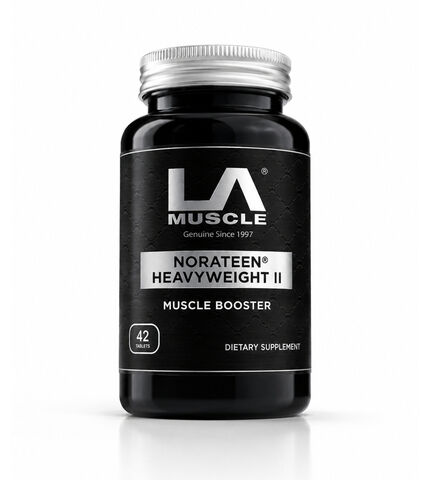
Norateen Heavyweight II
Voted No.1: Men's Health BBC/ SKY TV. No side effects, full guarantee

Fat Buster
4 weight loss supplements in one! Risk-free results