SIGN IN
 REGISTER


The Knowledge > How To Build Muscle >
Friday, 6th November 2026
12 Essential Kettlebell Exercises for Beginners and Advanced Lifters
By LA Muscle on 06.11.2026 11:51 am


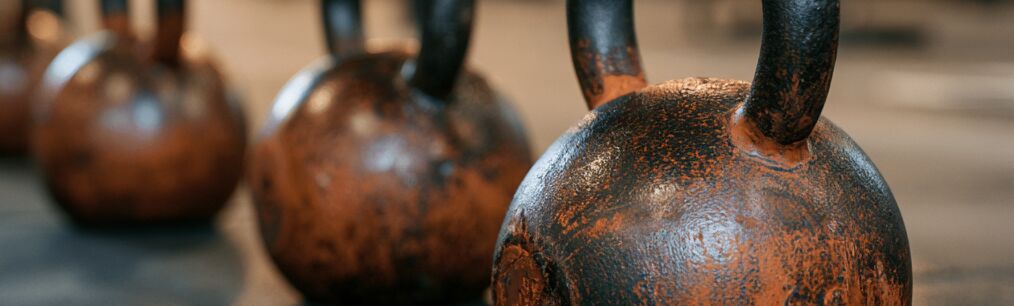
Kettlebells are among the most versatile pieces of fitness equipment available. Whether you are a complete beginner looking to improve your fitness or an experienced lifter wanting to build muscle, increase strength and develop explosive power, kettlebell training delivers an exceptionally effective full-body workout.
Unlike traditional dumbbells, kettlebells have an offset centre of mass, meaning the weight sits below the handle rather than being evenly distributed on either side of your hand. This unique design allows for a combination of swinging, pressing, pulling and rotational movements that challenge your muscles, coordination, balance and cardiovascular fitness simultaneously. Kettlebells are particularly effective because they combine resistance training with dynamic movement, allowing you to develop strength and muscular endurance while also increasing energy expenditure.
One of the biggest advantages of kettlebell training is that you do not need an entire gym to achieve an effective workout. With just one or two kettlebells and a small amount of space, you can train almost every major muscle group in your body. The following 12 exercises cover everything from fundamental beginner movements to demanding advanced techniques that challenge even experienced athletes.
1. Kettlebell Deadlift — Beginner
The kettlebell deadlift is one of the most important exercises for anyone starting kettlebell training because it teaches the fundamental hip-hinge movement used in many more advanced exercises. It primarily targets the glutes, hamstrings and spinal erectors, while also engaging the quadriceps, abdominal muscles and grip. To perform the movement, position a kettlebell between your feet, stand with your feet approximately shoulder-width apart and push your hips backwards while bending your knees slightly. Grip the handle firmly, brace your abdominal muscles and stand upright by driving through your feet and extending your hips. Lower the kettlebell under control by reversing the movement. The kettlebell deadlift builds foundational strength, improves lifting mechanics and prepares your body for more demanding movements such as swings and cleans. Beginners should aim for three sets of 10–12 repetitions, concentrating on maintaining a stable back and controlled technique.
2. Kettlebell Goblet Squat — Beginner
The goblet squat is one of the most effective kettlebell exercises for developing stronger legs, larger glutes and improved lower-body mobility. Holding a kettlebell close to your chest creates a counterbalance that often makes it easier to maintain an upright torso compared with other squat variations. To perform the exercise, hold the kettlebell by its horns at chest height, position your feet approximately shoulder-width apart and lower yourself into a squat by bending your knees and hips. Keep your chest lifted, your abdominal muscles engaged and your heels firmly planted on the floor. Descend as far as your mobility comfortably allows before driving upwards to return to the starting position. Goblet squats are particularly valuable for beginners because they reinforce correct squatting mechanics while developing the quadriceps, glutes and core. Perform three sets of 10–15 repetitions, gradually increasing the weight as your strength improves.
3. Kettlebell Two-Handed Swing — Beginner to Intermediate
The kettlebell swing is arguably the most recognisable kettlebell exercise and one of the best movements for developing explosive hip power, strengthening the posterior chain and improving cardiovascular conditioning. Unlike a traditional shoulder raise, the kettlebell swing is powered primarily by the hips rather than the arms. Start with the kettlebell slightly in front of your feet, hinge at your hips and grip the handle with both hands. Pull the kettlebell backwards between your legs before forcefully extending your hips to propel it forwards to approximately chest height. Allow the kettlebell to swing back naturally, controlling the movement with your hips and maintaining a stable torso. The glutes and hamstrings generate most of the force, while the abdominal muscles, upper back and grip provide stability. Swings are particularly effective for increasing muscular endurance and raising your heart rate. Once the hip hinge is mastered, perform three sets of 12–20 repetitions, ensuring that the movement remains explosive but controlled.
4. Kettlebell Bent-Over Row — Beginner
If your goal is to build a thicker, stronger back, the kettlebell bent-over row deserves a place in your training programme. This exercise targets the latissimus dorsi, rhomboids, trapezius and biceps while requiring the core and lower-back muscles to stabilise your body. Hold a kettlebell in one hand, hinge forwards at the hips and support your free hand on a stable surface if necessary. Keeping your back in a controlled position, pull the kettlebell towards your hip while drawing your elbow backwards. Pause briefly before lowering the weight under control. Avoid twisting your torso or using momentum to lift the kettlebell, as this reduces the effectiveness of the movement. Single-arm rows are particularly useful for identifying strength differences between sides and developing balanced upper-body strength. Perform three sets of 10–12 repetitions on each arm.
5. Kettlebell Floor Press — Beginner
The kettlebell floor press is an excellent exercise for building upper-body pushing strength, particularly in the chest, triceps and shoulders. It also provides a useful alternative to the traditional bench press when training at home without a bench. Lie on your back with your knees bent and feet flat on the floor, holding a kettlebell securely in one hand with your elbow resting close to your body. Press the kettlebell upwards until your arm is extended, keeping your wrist straight and the weight stable. Lower your arm slowly until your upper arm makes gentle contact with the floor before repeating. Because the floor limits how far your elbow travels behind your torso, the exercise reduces the bottom range of motion compared with a bench press. This makes it a practical pressing variation for beginners learning to control an offset weight. Perform three sets of 8–12 repetitions per arm, concentrating on smooth movement rather than maximum weight.
6. Kettlebell Farmer's Carry — Beginner to Intermediate
The farmer's carry may look simple, but it is one of the most effective exercises for developing grip strength, core stability, muscular endurance and overall functional strength. Holding a heavy kettlebell while walking forces your forearms, shoulders, trapezius muscles and trunk stabilisers to work continuously. Begin by standing upright with a kettlebell in each hand, keeping your shoulders level, chest naturally lifted and abdominal muscles braced. Walk forwards using controlled steps without leaning excessively or allowing the weights to swing. If you have only one kettlebell, perform a suitcase carry by holding it at your side and resisting the tendency to lean towards the weight. This single-sided variation places additional demands on the obliques and other core stabilisers. Aim for three to four carries lasting 20–40 seconds, increasing the distance or weight as your strength improves.
7. Kettlebell Reverse Lunge — Intermediate
The kettlebell reverse lunge is a powerful lower-body exercise that develops the quadriceps, glutes and hamstrings while challenging balance, coordination and single-leg strength. Holding a kettlebell in the goblet position or at your side adds resistance and increases the demands placed on your core. Begin standing upright, then step backwards with one leg and lower your body until your front knee is comfortably bent and your rear knee approaches the floor. Push through your front foot to return to the starting position, keeping your torso stable throughout. Reverse lunges are particularly valuable because they train each leg independently, helping address muscular imbalances that can sometimes be hidden during bilateral exercises such as squats. Perform three sets of 8–12 repetitions per leg, concentrating on controlled movement and a consistent range of motion.
8. Kettlebell Clean — Intermediate
The kettlebell clean is an explosive movement that transfers the kettlebell from a hanging or swinging position into the rack position near your shoulder. It develops hip power, coordination, grip strength and the ability to generate force efficiently through the entire body. Begin with the kettlebell between your feet or slightly in front of you, hinge at the hips and drive upwards using powerful hip extension. As the kettlebell rises, guide your hand around the handle so the weight settles smoothly against your forearm in the rack position rather than swinging over and striking your wrist. The movement should be fluid and controlled, with the hips providing the primary force and the arm guiding the kettlebell into position. The clean is also an essential foundation for more advanced exercises such as the clean and press and kettlebell complexes. Perform three sets of 6–10 repetitions per arm, using a manageable weight until your technique is consistent.
9. Kettlebell Military Press — Intermediate
The kettlebell military press is an outstanding exercise for developing shoulder strength, triceps size and upper-body stability. Because the kettlebell's weight sits outside the line of the handle, your shoulder and wrist stabilisers must work to control the load throughout the movement. Begin with the kettlebell securely positioned in the rack position, with your wrist straight, elbow close to your torso and abdominal muscles braced. Press the kettlebell overhead in a controlled motion until your arm is fully extended, allowing your shoulder blade to rotate naturally as the arm rises. Lower the weight back to the rack position without leaning backwards or excessively arching your lower back. This exercise is particularly useful for developing strong, well-rounded shoulders while reinforcing core stability. Perform three to four sets of 6–10 repetitions per arm, gradually increasing the resistance as your pressing strength improves.
10. Kettlebell Turkish Get-Up — Advanced
The Turkish get-up is one of the most technically demanding and comprehensive kettlebell exercises available. It challenges shoulder stability, core strength, coordination, mobility and total-body control as you move from lying on the floor to standing while holding a kettlebell overhead. Begin lying on your back with the kettlebell pressed securely above one shoulder and the knee on the same side bent. Keeping your eyes on the kettlebell during the initial stages, roll onto your opposite elbow, extend onto your hand and lift your hips from the floor. Sweep your free leg underneath your body into a kneeling position before bringing your torso upright and standing. Reverse the sequence carefully to return to the floor. Every stage requires control and precise positioning, making this exercise particularly valuable for developing strength through multiple movement patterns. Beginners should first learn the movement without weight, while experienced lifters can perform two to three sets of 2–4 repetitions per side using an appropriate kettlebell.
11. Kettlebell Snatch — Advanced
The kettlebell snatch is an explosive full-body exercise that combines powerful hip extension with overhead strength and stability. It involves moving the kettlebell from a swinging position directly overhead in one continuous movement. Begin with a kettlebell between your legs and perform a powerful hip hinge, driving the weight upwards through explosive hip extension. As the kettlebell rises, guide it close to your body and insert your hand smoothly into the handle so the weight settles securely overhead without striking your forearm. The movement demands considerable coordination, timing and shoulder control. The glutes, hamstrings, upper back, shoulders, abdominal muscles and grip all contribute, making the snatch an effective exercise for developing athletic power and cardiovascular conditioning. Because of its technical complexity, it should only be attempted after mastering the kettlebell swing, clean and overhead press. Advanced lifters can perform three to four sets of 5–8 repetitions per arm, prioritising technique and control.
12. Kettlebell Clean and Press — Advanced
The kettlebell clean and press combines two demanding movements into one highly effective exercise for building strength, muscular endurance and total-body coordination. The clean develops explosive hip power, while the press challenges the shoulders, triceps and core. Start with the kettlebell between your feet, hinge at the hips and drive the weight upwards into the rack position using the clean technique. Once the kettlebell is stable, brace your abdominal muscles and press it overhead until your arm is extended. Lower the weight back to the rack position before returning it to the hanging position and repeating. The combination recruits multiple major muscle groups and creates a substantial cardiovascular demand when performed for repeated sets. It is particularly effective for experienced lifters who want to combine strength and conditioning in a time-efficient workout. Perform three to four sets of 5–8 repetitions per arm, allowing sufficient recovery between sets to maintain correct technique.
How to Structure Your Kettlebell Workouts for Maximum Results
The effectiveness of kettlebell training depends not only on which exercises you choose but also on how you organise your workouts. Beginners should concentrate on mastering the basic movements, developing good technique and building a foundation of strength before progressing to more explosive exercises. Two or three full-body kettlebell workouts per week are a sensible starting point, allowing adequate recovery between sessions. A beginner workout could include kettlebell deadlifts, goblet squats, bent-over rows, floor presses and farmer's carries, with two to three sets of each exercise.
Intermediate lifters can increase the challenge by incorporating kettlebell swings, reverse lunges, cleans and overhead presses. Training three times per week with a mixture of strength-focused and conditioning-focused sessions provides an effective balance between muscle development and cardiovascular fitness. Advanced lifters can introduce Turkish get-ups, snatches and clean-and-press combinations while increasing resistance, training volume or movement complexity. However, more advanced exercises are not automatically better for muscle growth. The most effective programme is one that provides sufficient muscular tension, allows progressive overload and supports consistent recovery.
Can Kettlebells Really Build Serious Muscle?
Absolutely. Kettlebells can stimulate muscular hypertrophy when exercises are performed with sufficient resistance, appropriate training volume and progressive overload. The muscles respond to the demands placed upon them, regardless of whether the resistance comes from kettlebells, dumbbells, barbells or machines. Exercises such as goblet squats, lunges, rows, presses and Romanian deadlifts can all contribute to muscular growth when performed close enough to muscular fatigue.
However, kettlebells do have certain limitations when compared with traditional gym equipment. As your strength increases, it can become difficult to progressively overload certain exercises if you only have access to a limited selection of kettlebell weights. For maximum muscular development, particularly in advanced bodybuilders, combining kettlebells with heavier barbells, dumbbells and resistance machines can provide a more complete training stimulus. Kettlebells remain exceptionally useful for developing muscular endurance, grip strength, athletic power and conditioning alongside traditional hypertrophy training.
Are Kettlebells Good for Burning Fat?
Kettlebell training can be an effective component of a fat-loss programme because it combines resistance exercise with movements that can significantly increase heart rate and energy expenditure. Exercises such as swings, snatches and clean-and-press combinations recruit large amounts of muscle mass, making them particularly demanding when performed repeatedly. Kettlebell circuits can also provide a time-efficient way to improve cardiovascular fitness while maintaining a resistance-training stimulus.
However, fat loss ultimately depends on maintaining an appropriate calorie deficit over time. Kettlebell exercises do not specifically burn fat from the stomach, hips or any other individual body part. Their greatest value lies in helping increase overall activity, preserve muscle during weight loss and improve physical fitness. Combining kettlebell training with adequate protein intake, sensible nutrition and consistent recovery provides a strong foundation for improving body composition.
Choosing the Right Kettlebell Weight
Selecting the correct kettlebell weight is essential for making progress without compromising technique. Beginners should start with a weight that allows them to complete every repetition with control and confidence. For many adults, a kettlebell weighing approximately 4–8 kg may be appropriate for learning certain upper-body movements, while 8–16 kg may be suitable for basic lower-body exercises, depending on individual strength and experience. These are only broad starting ranges, and some people will need lighter or heavier weights.
As your technique and strength improve, gradually increase the weight while maintaining the same standard of movement. For explosive exercises such as swings and snatches, it is especially important to master the movement pattern before attempting heavier loads. A kettlebell that feels manageable during a deadlift may be far too heavy for a strict overhead press or Turkish get-up, so choose resistance according to the specific exercise rather than using the same weight for everything.
The Biggest Mistakes to Avoid With Kettlebell Training
One of the most common mistakes is attempting advanced movements before mastering the fundamentals. Exercises such as snatches and Turkish get-ups require coordination, mobility and stability, and rushing into them can increase the risk of injury. Another mistake is relying excessively on momentum instead of controlled muscular force. Although many kettlebell exercises are dynamic, the movement should always be deliberate and technically sound.
Using weights that are too light can also limit muscle-building progress, particularly when the objective is hypertrophy rather than cardiovascular conditioning. Conversely, selecting excessively heavy kettlebells can compromise technique and prevent the intended muscles from performing the work effectively. Finally, many people neglect recovery by performing demanding kettlebell circuits every day. Like any form of resistance training, kettlebell workouts need to be balanced with sufficient rest, nutrition and sleep to support muscular adaptation.
Why Kettlebells Deserve a Place in Your Training Routine
Kettlebells offer an exceptional combination of strength training, muscular development, functional movement and cardiovascular conditioning. Their versatility allows beginners to develop essential movement patterns while giving advanced lifters access to challenging exercises that demand considerable power, stability and coordination. From simple deadlifts and goblet squats to explosive snatches and complex Turkish get-ups, kettlebell training provides an effective way to challenge almost every major muscle group in the body.
The real secret to getting results from kettlebells is consistency, correct technique and progressive overload. Start with the fundamentals, increase the challenge as your strength develops and select exercises that support your individual goals. Whether you want to build bigger muscles, develop stronger shoulders, improve your conditioning or become more athletic, kettlebells are a valuable addition to a well-structured fitness programme. Used intelligently, they can help you build a stronger, fitter and more muscular body without requiring a gym full of expensive equipment.




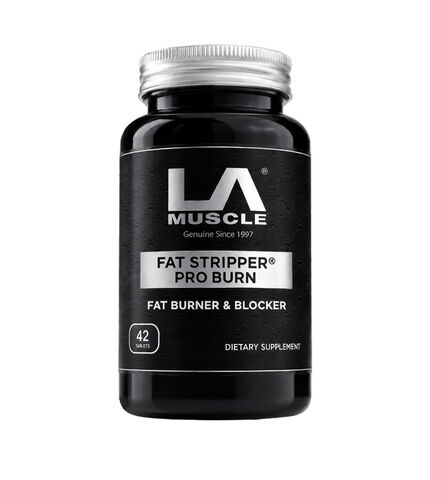
Fat Stripper PRO BURN
Professional Pharma Grade Fat Burner and Blocker
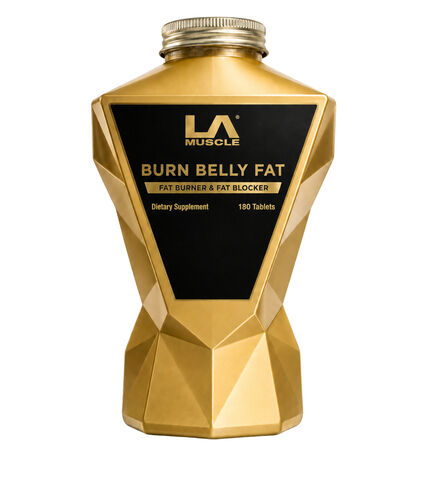
Burn Belly Fat
Fast-action natural fat burner for men & women