SIGN IN
 REGISTER


The Knowledge > PINNED >
Friday, 24th July 2026
Protecting Muscle During Weight Loss
Muscle Preservation Matters Alongside Modern Weight-Loss Medications
By LA Muscle on 24.07.2026 11:48 am



Modern weight-loss medications have changed the way many people approach obesity and excess body weight. Medicines such as GLP-1 receptor agonists and dual GIP/GLP-1 receptor agonists have been shown in clinical trials to help people lose substantial amounts of weight by reducing appetite, slowing stomach emptying and helping people consume fewer calories.
However, one aspect receiving increasing attention from researchers, sports scientists and healthcare professionals is the effect of rapid weight loss on lean body mass, including skeletal muscle.
Weight Loss Does Not Mean Fat Loss Alone
When people lose weight through almost any method—whether calorie restriction, bariatric surgery or medication—the body rarely loses fat alone.
Scientific studies consistently show that total weight loss usually consists of a combination of:
- Body fat
- Water
- Glycogen stores
- Lean body mass, including muscle
The exact proportion varies greatly between individuals depending on factors such as:
- Protein intake
- Physical activity
- Age
- Sex
- Starting body composition
- Rate of weight loss
- Resistance training habits
Researchers are increasingly studying how to maximise fat loss while minimising the loss of valuable muscle tissue.
Why Muscle Matters
Skeletal muscle is far more than tissue used for movement. It plays an important role in overall body composition and physical performance.
Muscle contributes to:
- Everyday strength
- Physical function
- Exercise performance
- Balance and stability
- Healthy ageing
- Resting energy expenditure
People with greater amounts of lean muscle generally burn more calories at rest than those with less muscle, although many factors influence metabolism.
Maintaining muscle during weight loss may also help people remain active, recover better from exercise and achieve a more athletic-looking physique.
What Scientists Have Observed
Clinical studies of modern weight-loss medications have shown impressive reductions in body weight. However, body composition analyses have demonstrated that some of this weight loss comes from lean mass rather than fat alone. This does not necessarily mean the medications directly "destroy" muscle. Instead, the reduced calorie intake that often accompanies these medicines means the body has fewer nutrients available to maintain existing muscle tissue, particularly if protein intake and resistance exercise are inadequate. Researchers therefore increasingly recommend focusing not only on the number shown on the scales but also on preserving lean mass throughout the weight-loss journey.
Why Muscle Loss Can Occur
Several factors may contribute to reductions in lean body mass during significant weight loss.
Lower calorie intake
People eating substantially fewer calories may struggle to consume enough protein and other nutrients needed to support muscle maintenance.
Less resistance training
Reduced food intake can sometimes lead to lower training intensity or less frequent exercise, decreasing the stimulus needed to retain muscle.
Reduced protein consumption
Appetite suppression may result in people eating smaller meals, making it harder to reach daily protein targets.
Rapid weight loss
The faster body weight falls, the greater the likelihood that some lean tissue will also be lost.
Resistance Training Becomes More Important
Exercise experts generally agree that resistance training is one of the most effective strategies for helping preserve muscle while losing body fat. Regular weight training provides the body with a signal that muscle tissue is still required.
Many coaches recommend focusing on progressive resistance exercises such as:
- Squats
- Rows
- Presses
- Pull-ups
- Deadlifts
- Lunges
- Machine-based resistance exercises
Combined with adequate recovery, this approach helps support muscle retention during periods of calorie restriction.
Protein Is a Key Nutrient
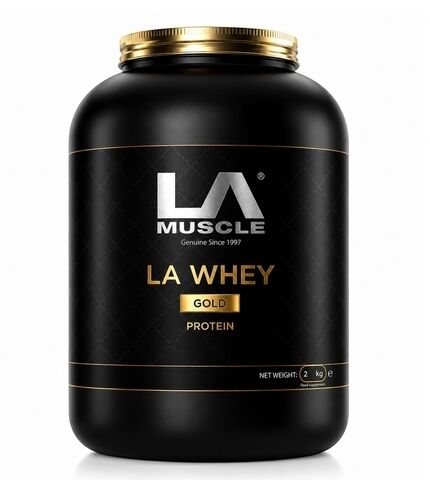
Protein supplies the amino acids used to build and repair muscle proteins. Many sports nutrition guidelines recommend higher protein intakes supplementing with high quality proteins like LA Whey Gold, during periods of dieting than during weight maintenance, particularly for physically active individuals and older adults. Obtaining sufficient protein throughout the day may help support muscle protein synthesis when combined with regular resistance exercise.
Where Supplements May Fit
Supplements cannot replace a balanced diet or exercise programme, but some people find them a convenient way to increase their daily protein intake or support their training routine.
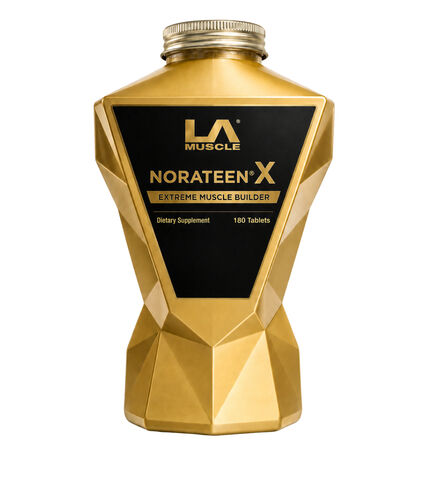
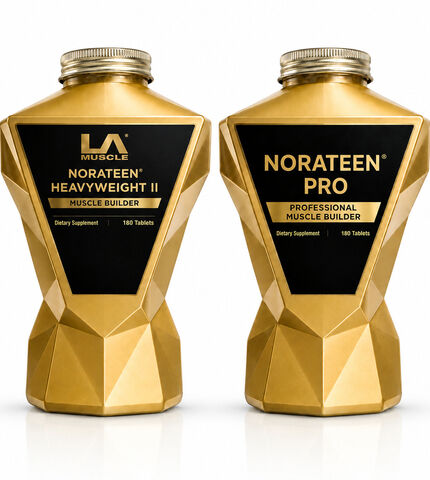
For individuals following structured resistance training while using weight-loss medication, products such as Norateen Heavyweight II, Norateen Extreme, Norateen X and Norateen XXX may complement an overall muscle-focused programme alongside appropriate nutrition and exercise. This applies to men and women.
These products are designed for people whose goal is to support training performance and muscle development. They should be viewed as additions to—not replacements for—a well-planned diet that provides sufficient protein and calories for individual needs.
Think Beyond the Scales
Many people celebrate a lower body weight, but body composition may be an even more meaningful measure of progress. Two people can lose the same amount of weight while achieving very different results. One person may lose predominantly body fat while preserving most of their muscle. Another may lose significant amounts of both fat and muscle. From both a performance and physique perspective, preserving lean muscle is generally considered preferable.
A Smarter Approach
For those using modern weight-loss medications, many sports nutrition professionals encourage a strategy that focuses on body composition rather than simply weight reduction.
This may include:
- Prioritising adequate daily protein intake
- Performing regular resistance training
- Remaining physically active
- Getting sufficient sleep and recovery
- Using appropriate sports nutrition products where they help meet nutritional or training goals
Modern weight-loss medications represent an important advance in the treatment of obesity and overweight for many people under medical supervision. At the same time, growing scientific interest has highlighted the importance of preserving lean muscle during significant weight loss.
Rather than concentrating solely on the number on the scales, many fitness professionals encourage maintaining strength, muscle and physical function throughout the process. Combining appropriate resistance training, adequate protein intake and a well-planned nutrition strategy may help support these goals.
Supplements such as Norateen Heavyweight II, Norateen Extreme, Norateen X and Norateen XXX can form part of a broader training and nutrition programme for individuals aiming to support muscle-focused fitness goals while pursuing weight management, but they should be used alongside—not instead of—a balanced diet, regular exercise and guidance from a qualified healthcare professional when using prescription weight-loss medication.



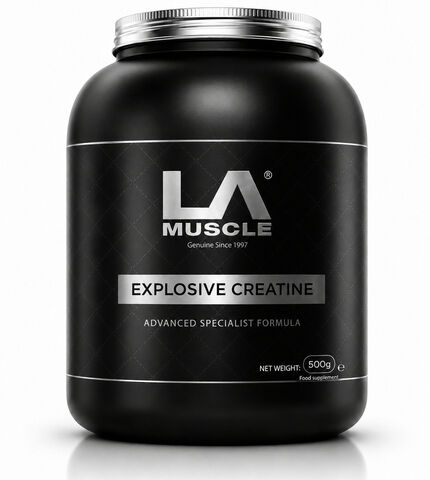
Explosive Creatine
"300% stronger than regular Creatine" Muscle & Fitness Magazine
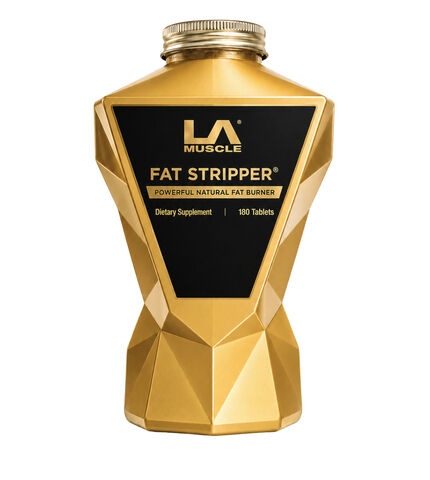
Fat Stripper
Stimulant-free, natural fat burner with no side effects, lose weight NOW!