SIGN IN
 REGISTER


The Knowledge > How To Build Muscle >
Thursday, 19th November 2026
Heavy or Light Weights After 40?
By LA Muscle on 19.11.2026 10:18 am



Should you lift heavy weights or switch to lighter weights once you reach 40? It's one of the most debated questions in fitness, and the answer could determine how much muscle you build, how strong you remain and how your physique develops over the coming decades. Many people believe that lifting heavy weights after 40 is dangerous, while others insist that heavy training is the only way to prevent muscle loss and maintain an impressive physique. The truth is considerably more interesting. Both heavy and light weights have their place, but understanding when and how to use them is the key to building muscle, protecting your joints and maintaining a strong, athletic body well into your 50s, 60s and beyond.
Turning 40 does not suddenly make your muscles weaker or your joints incapable of handling challenging resistance. In fact, many people achieve their best physiques after 40 because they have developed greater discipline, better exercise technique and a more intelligent approach to training. However, the body does change with age, and the training methods that worked in your 20s may need adjusting if you want to continue progressing without accumulating unnecessary fatigue or injuries.
The real question is not simply whether heavy or light weights are better. It is how to combine different training loads to maximise muscle growth, maintain strength, improve body composition and support long-term physical performance.
What Actually Happens to Your Muscles After 40?
As we get older, several physiological changes can influence our ability to build and maintain muscle. One of the most important is the gradual loss of skeletal muscle mass and strength associated with ageing, commonly known as sarcopenia. Although the rate varies considerably between individuals, muscle mass and strength can gradually decline from middle age onwards, particularly among people who are physically inactive.
Muscle fibres do not all respond to ageing in the same way. Type II muscle fibres, which are responsible for producing high levels of force and power, are particularly vulnerable to age-related changes. These fibres contribute significantly to muscular strength, explosive movement and the ability to perform demanding physical tasks. Maintaining their function is one of the reasons resistance training becomes increasingly valuable as we get older. Another factor is anabolic resistance, a term describing the reduced muscle-building response that can occur in older adults following protein consumption or exercise. This does not mean that older people cannot build muscle. It means that sufficient training stimulus, adequate protein and consistent recovery become increasingly important.
Hormonal changes, sleep quality, physical activity, nutrition and accumulated injuries can also influence performance. However, these changes do not occur at exactly the same age or rate in everyone. A well-trained 55-year-old can possess considerably more muscle, strength and physical capacity than an inactive 30-year-old. The important message is that ageing does not eliminate your ability to build muscle. It makes intelligent training and consistency even more valuable.
Heavy Weights Versus Light Weights: Which Builds More Muscle?
For many years, traditional bodybuilding advice suggested that heavy weights were essential for muscle growth. The standard recommendation was to lift relatively heavy loads for approximately six to twelve repetitions, with lighter weights reserved for muscular endurance or rehabilitation.
Modern research has provided a more nuanced understanding of how muscles grow. Studies comparing different resistance-training loads have found that a surprisingly broad range of weights can stimulate muscle hypertrophy, provided sets are sufficiently challenging and training volume is appropriate. This means that lifting a heavy weight for eight repetitions and lifting a lighter weight for 20 repetitions can both stimulate muscle growth, particularly when the sets are performed close to muscular failure. However, there are important differences. Heavy weights generally produce greater improvements in maximal strength because they train the nervous system and muscles to generate high levels of force against substantial resistance. Lighter weights can produce comparable muscle growth in many circumstances, but they usually require more repetitions and greater proximity to muscular failure to provide a sufficiently strong stimulus. For someone over 40, this creates an opportunity to use both approaches rather than relying exclusively on one.
The Case for Lifting Heavy Weights After 40
Heavy resistance training remains one of the most effective ways to develop and preserve muscular strength. It challenges the muscles, nervous system and supporting structures in ways that lighter training does not completely replicate.
When you lift a challenging weight, your body must recruit motor units capable of producing substantial force. Over time, this improves your ability to generate strength and perform demanding movements. Heavy training also develops the technical skill and neural adaptations associated with lifting heavier loads. Strength becomes increasingly important with age because it influences everyday activities, physical independence and resilience. Being able to lift heavy shopping bags, climb stairs, move furniture or rise from the floor comfortably may seem relatively unimportant at 40, but maintaining these abilities becomes increasingly valuable over subsequent decades. Heavy resistance training can also contribute to maintaining bone mineral density, particularly when exercises provide sufficient mechanical loading. This is especially relevant as the risk of osteoporosis increases with age.
For muscle development, heavier weights allow you to generate substantial mechanical tension without performing excessively long sets. This can make training efficient and measurable. However, heavy does not necessarily mean attempting a maximum lift. For most people over 40, challenging sets of five to eight repetitions provide a practical way to develop strength without constantly testing their absolute limits.
Why Lighter Weights Can Be Surprisingly Effective
Lighter weights are often dismissed as ineffective for serious muscle building, but this is a misconception. Muscles respond to sufficient tension and effort, not simply the number printed on a dumbbell.
When you perform a lighter-weight exercise for a higher number of repetitions, fatigue gradually increases and additional motor units are recruited to maintain the movement. If the set becomes sufficiently challenging, it can provide a meaningful hypertrophy stimulus. For example, performing a controlled set of dumbbell lateral raises for 15–20 repetitions can be highly effective for developing the shoulders. Similarly, leg extensions, cable curls and triceps pushdowns can produce excellent muscular stimulation using moderate or relatively light loads. Lighter weights are particularly useful for exercises involving smaller muscle groups, movements where heavy loading is uncomfortable and situations where you want to increase training volume without constantly placing your body under very high external loads.
However, lighter weights are not automatically safer. Performing 30 poorly controlled repetitions can irritate a joint just as easily as lifting a heavier weight with poor technique. High-repetition sets can also create substantial muscular fatigue, and extremely light weights may require uncomfortable levels of effort to stimulate maximum muscle growth. The objective is not to lift light simply because you are over 40. It is to choose a weight that allows you to train the intended muscles effectively.
The Biggest Mistake People Make After 40One of the most damaging fitness misconceptions is that reaching middle age means you should abandon challenging weights and switch exclusively to high-repetition training.
This approach can result in a gradual loss of strength if heavier resistance is never included. Although lighter weights can maintain or increase muscle size, maximal strength generally responds better to regular exposure to heavier loads. At the opposite extreme, some experienced lifters continue training exactly as they did in their early 20s, constantly attempting personal records, ignoring persistent joint discomfort and treating every session as a competition. Neither approach is ideal.
The most effective strategy is to train hard enough to stimulate adaptation while managing fatigue intelligently. Your muscles still need progressive overload, but your training should account for recovery, exercise technique and individual tolerance. After 40, the goal should shift from proving how much you can lift on any particular day to building the strongest, most muscular and most capable body you can maintain for decades.
The Ideal Repetition Ranges After 40
Rather than choosing one repetition range for every exercise, divide your training into three complementary categories.
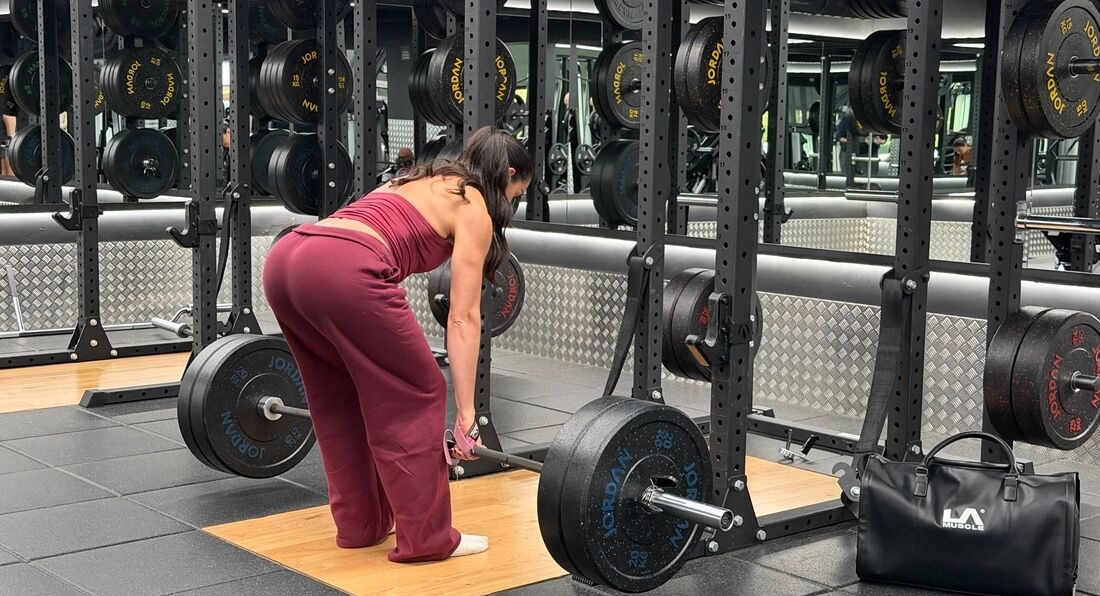
Strength-focused training typically involves approximately four to six repetitions per set using relatively heavy weights. This range is useful for major compound exercises such as squats, presses, rows and deadlift variations. It develops maximal strength and allows you to maintain the ability to handle substantial resistance. Because the loads are demanding, good technique and adequate rest are particularly important.
Hypertrophy-focused training generally involves eight to twelve repetitions per set. This is an excellent middle ground for muscle development because it combines meaningful mechanical tension with a manageable amount of muscular fatigue. Exercises such as dumbbell presses, machine rows, split squats and shoulder presses work particularly well in this range. Higher-repetition training typically involves 12–20 repetitions or more. This is particularly useful for isolation exercises such as lateral raises, leg curls, biceps curls, calf raises and triceps extensions. It allows you to accumulate additional muscular work without requiring very heavy loads. The most productive approach is often to include all three categories across your training week, with the greatest proportion of your work performed in the moderate repetition ranges. This creates a balanced programme that develops strength, muscle size and muscular endurance without relying excessively on one training style.
The Smartest Approach: Combine Heavy and Light Training
The most effective training programme after 40 is rarely one that uses exclusively heavy or light weights. A combination allows you to develop different aspects of muscular performance while managing fatigue and maintaining exercise variety.
One practical method is to begin each workout with a heavier compound exercise, when your energy levels and concentration are highest. For example, start a chest workout with three sets of dumbbell bench presses for six to eight repetitions. Follow this with incline dumbbell presses for eight to twelve repetitions, then finish with cable flyes for twelve to fifteen repetitions.
This structure exposes your muscles to different levels of resistance without requiring maximum loads throughout the entire workout. It also allows you to use lighter weights for exercises where joint positioning or stability can make heavy lifting less comfortable. A similar approach works for legs. Begin with a challenging squat or leg press, follow with Romanian deadlifts or split squats, then complete leg extensions and hamstring curls using moderate or lighter weights. The result is a programme that maintains strength while accumulating enough training volume to stimulate muscle growth.
Should You Lift to Failure After 40?
Training to muscular failure means continuing a set until you cannot complete another repetition with acceptable technique. Although this can be useful in certain circumstances, it is not necessary for every exercise or every set.
For heavy compound movements such as squats, bench presses and deadlifts, repeatedly training to absolute failure can generate substantial fatigue and increase the consequences of a technical mistake. A more sustainable approach is to stop with approximately one to three repetitions remaining. For lighter isolation exercises, such as biceps curls, lateral raises and triceps pushdowns, training closer to failure can be practical because the movements are generally easier to control and involve less whole-body fatigue. The distinction becomes particularly valuable after 40. You want to stimulate muscle growth without making recovery unnecessarily difficult.
What About Your Joints and Tendons?
One of the most common concerns among people over 40 is whether heavy lifting damages the joints. The answer is not as simple as assuming that heavy weights are harmful and light weights are safe.
Healthy joints and connective tissues are designed to tolerate mechanical loading. Progressive resistance training can strengthen muscles and improve the capacity to handle everyday physical demands. However, tendons and other supporting structures adapt at different rates, and sudden increases in training load can exceed their current tolerance.
The most important factor is progression. Someone who has trained consistently for 20 years may tolerate weights that would be inappropriate for a beginner of the same age. Exercise selection also matters. If barbell bench presses aggravate your shoulders, dumbbell presses with a neutral grip may feel more comfortable. If heavy back squats cause discomfort, a leg press, split squat or goblet squat may provide an effective alternative. Machines should not be considered inferior simply because they provide additional stability. They can be extremely useful for maintaining muscular tension while reducing the balance and coordination demands of certain exercises. After 40, choosing the exercise that works best for your body is generally more productive than insisting on performing a particular movement because it is considered essential in bodybuilding.
Don't Forget Muscle Power
One often-overlooked aspect of training after 40 is muscular power. Strength refers to the amount of force you can produce, while power involves producing force quickly. Power is important for everyday movements such as climbing stairs rapidly, catching your balance or accelerating when walking. It also contributes to athletic performance and physical responsiveness. Interestingly, developing power does not always require heavy weights. Moderate or relatively light resistance moved quickly during the lifting phase can improve the ability to generate force rapidly. For example, controlled, relatively light medicine-ball throws, fast concentric phases during machine exercises or appropriately selected kettlebell movements can provide a power-training stimulus. The key is to move the weight with intent while maintaining control. Power training should be introduced progressively and performed before excessive fatigue develops.
How Training Should Change in Your 40s, 50s and 60s
In your 40s, the emphasis should generally remain on progressive strength and hypertrophy training. If you have been training consistently, there is no reason to abandon heavy weights simply because of your age. Continue challenging yourself while paying attention to recovery, mobility and exercise technique.
In your 50s, maintaining muscle mass and strength becomes increasingly important. A combination of challenging compound exercises, moderate-repetition hypertrophy work and selected lighter isolation movements provides a practical approach. Recovery requirements may vary, so adjust your training according to performance rather than assuming you need to reduce intensity automatically.
In your 60s and beyond, resistance training remains extremely valuable. Maintaining lower-body strength, balance, muscle power and the ability to perform everyday activities becomes particularly important. Heavy resistance can still be appropriate for experienced individuals, while machines, dumbbells and lighter weights offer effective alternatives when needed.
Age alone should never determine how much weight you lift. Training experience, physical capacity, exercise technique and individual recovery are far more useful considerations.
The Importance of Recovery After 40
Muscle growth does not occur simply because you lift weights. Training provides the stimulus, while recovery allows the body to adapt. As you get older, factors such as sleep quality, stress, nutrition and accumulated training fatigue can become increasingly influential. However, recovery needs vary considerably between individuals, and not everyone requires longer rest periods simply because they have passed 40.
A practical approach is to allow approximately 48 hours between demanding sessions targeting the same muscle groups, while adjusting according to training intensity and individual response. Sleep is particularly important. Aim for seven to nine hours per night and maintain a consistent sleep schedule wherever possible. Nutrition also plays a central role. Consuming sufficient protein throughout the day provides the amino acids required for muscle repair and growth. A daily intake of approximately 1.6–2.2 grams per kilogram of body weight is a useful target for many resistance-trained adults. Carbohydrates help replenish muscle glycogen, while adequate dietary fats contribute to normal physiological function. Hydration and sufficient overall calorie intake are equally important.
The Progressive Overload Rule That Matters Most
Regardless of whether you lift heavy or light weights, your muscles need a reason to adapt. Progressive overload means gradually increasing the demands placed on your muscles over time. This can involve lifting heavier weights, completing additional repetitions, performing more productive sets or improving exercise technique and range of motion.
For example, suppose you perform dumbbell shoulder presses with 20 kg weights for eight repetitions. Over several weeks, you gradually increase your performance to twelve repetitions with the same weight. At that point, you may be ready to move to 22 kg dumbbells and begin building your repetitions again. The same principle applies to lighter weights. If you initially perform lateral raises with 8 kg dumbbells for twelve repetitions and eventually achieve twenty controlled repetitions, increasing the weight slightly may provide a renewed challenge. The objective is not to increase the weight at every workout. It is to demonstrate gradual improvement over time while maintaining good technique.
A Practical Weekly Heavy and Light Training Programme
A four-day training split can provide an effective balance between strength, hypertrophy and recovery.
Monday – Upper Body Strength: Begin with bench presses for three sets of five to eight repetitions, followed by rows for three sets of six to eight repetitions. Complete shoulder presses for three sets of eight repetitions, then finish with biceps curls and triceps extensions for two sets of ten to twelve repetitions each.
Tuesday – Lower Body Strength: Perform squats or leg presses for three sets of five to eight repetitions, followed by Romanian deadlifts for three sets of six to ten repetitions. Add calf raises for three sets of twelve repetitions and finish with abdominal exercises.
Wednesday – Recovery: Take a break from demanding resistance training. Walking, gentle mobility work or light cardiovascular exercise can help maintain activity without adding substantial muscular fatigue.
Thursday – Upper Body Hypertrophy: Perform incline dumbbell presses for three sets of ten to twelve repetitions, lat pulldowns for three sets of ten to twelve repetitions and seated cable rows for three sets of twelve repetitions. Follow with lateral raises, biceps curls and triceps pushdowns for two or three sets of twelve to twenty repetitions.
Friday – Lower Body Hypertrophy: Perform goblet squats or leg presses for three sets of ten to fifteen repetitions, followed by leg curls for three sets of twelve to fifteen repetitions. Add split squats, calf raises and abdominal exercises to complete the session.
Saturday and Sunday – Recovery or Light Activity: Use the weekend to recover, walk, stretch or enjoy recreational activities. If you feel particularly energetic and are recovering well, additional light exercise can be included, but avoid adding unnecessary fatigue simply to fill the time.
This programme provides exposure to heavier weights early in the week and more moderate or lighter resistance later in the week. It can be adjusted according to training experience, available equipment and recovery capacity.
Heavy or Light Weights After 40?
If your primary objective is maximal strength, heavier weights deserve an important place in your training. If your objective is muscle growth, both heavy and lighter weights can be effective, provided your sets are sufficiently challenging and your training volume is appropriate. For the best combination of muscular size, strength and long-term physical performance, use a mixture of resistance levels rather than committing exclusively to one.
Heavy weights develop your ability to produce high levels of force. Moderate weights provide an efficient balance between mechanical tension and training volume. Lighter weights allow you to accumulate additional muscular work and train effectively across a broad range of exercises. Perhaps the most important lesson is that turning 40 does not mean you should stop challenging yourself. Your muscles retain a remarkable capacity to adapt to resistance training, and people can continue making meaningful improvements in strength and muscle mass well into later life. The smartest lifters are not necessarily those who lift the heaviest weights or perform the most repetitions. They are the ones who understand how to challenge their muscles consistently, recover effectively and keep progressing year after year.
After 40, the goal is not simply to lift heavy or light. It is to lift intelligently, build muscle progressively and create a physique that remains strong, lean and capable for decades to come.




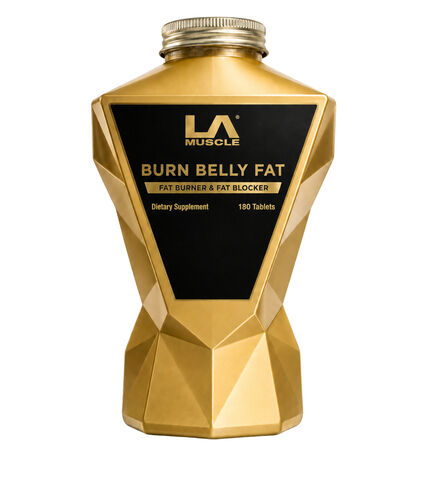
Burn Belly Fat
Fast-action natural fat burner for men & women
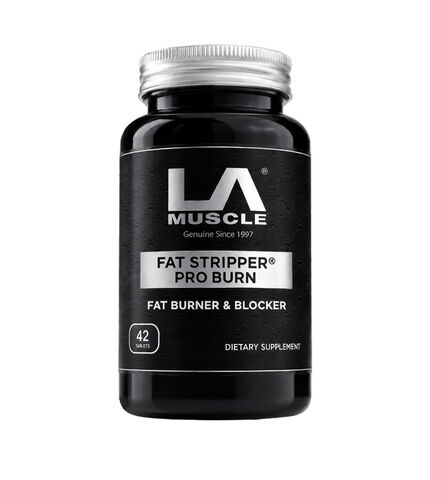
Fat Stripper PRO BURN
Professional Pharma Grade Fat Burner and Blocker