SIGN IN
 REGISTER


The Knowledge > How To Lose Fat >
Friday, 4th September 2026
How to Keep a Six Pack
Extra Tricks That Make the Difference
By LA Muscle on 04.09.2026 06:34 pm


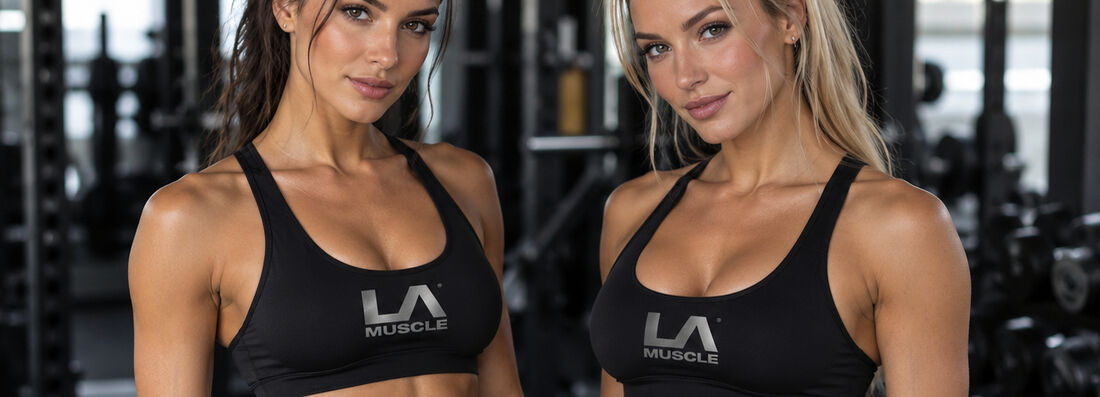
Getting a six pack is one thing. Keeping it all year round is a completely different challenge. You can train your abs every day, but if body fat gradually creeps upwards, digestion leaves your stomach permanently bloated or your lifestyle becomes inconsistent, those abs soon disappear. The good news is that maintaining a lean, defined midsection doesn't necessarily mean living on chicken and broccoli or spending your life doing sit-ups. The real secret is creating a system that keeps you lean while still allowing you to eat, train and live normally.
Here are the fundamentals, plus some more innovative strategies that can make staying ripped considerably easier.
1. Build Bigger Abs, Not Just Lower Body Fat
A lot of people think visible abs are purely about being lean. Body fat obviously matters, but the thickness and development of your abdominal muscles matter too. Treat your abs like any other muscle group. Instead of doing hundreds of easy crunches, use progressive resistance with exercises such as weighted cable crunches, hanging knee or leg raises, ab-wheel rollouts, decline weighted crunches, controlled reverse crunches and Pallof presses or other anti-rotation exercises.
Train your abs around two to four times per week, allowing recovery between harder sessions. A thicker, well-developed abdominal wall can remain visible at a slightly higher body-fat percentage than poorly developed abs.
2. Stay Within Your Personal "Six-Pack Range"
Trying to maintain your absolute leanest condition indefinitely can make life unnecessarily difficult. Instead, find the small weight range in which your abs remain clearly visible. For example, if your six pack looks great at 78 kg and starts disappearing around 82 kg, don't wait until you reach 85 kg before dieting again. Treat roughly 80–81 kg as your warning zone.
This creates what you might call a six-pack ceiling. Weigh yourself regularly, but look at the weekly average rather than panicking over individual readings caused by water, salt, carbohydrates or food sitting in your digestive system.
3. Keep Protein High
Protein is one of your greatest allies when maintaining a lean physique. It helps preserve muscle while dieting, supports recovery and tends to be more satiating than carbohydrate or fat. For someone training seriously, a practical target is approximately 1.6–2.2 g of protein per kilogram of body weight per day.
Build meals around high-quality protein sources such as eggs, chicken, turkey, lean beef, fish, Greek yoghurt, cottage cheese and whey protein. The important part isn't eating "diet food." It's making sure enough of your daily calories come from foods that actually keep you satisfied.
4. Use a Calorie Budget Instead of a "Clean Diet"
You don't need to eat perfectly to maintain abs. Think of your calories like money. Spend most of them on nutritious foods that provide protein, fibre and micronutrients, but deliberately leave a percentage available for foods you simply enjoy.
This is far easier psychologically than telling yourself that pizza, burgers, chocolate or dessert are permanently forbidden. An occasional burger doesn't destroy a six pack. Consistently eating more energy than you expend does.
5. Try Calorie Banking
Here's a useful technique if you know you have a big dinner coming. Instead of eating your normal breakfast, lunch and snacks and then adding a 1,500-calorie restaurant meal on top, deliberately eat lighter earlier in the day.
You might have high-protein yoghurt and berries for breakfast, chicken and a large salad for lunch and a protein shake in the afternoon before enjoying your restaurant meal in the evening. You're effectively banking calories for later. Don't turn this into starvation and bingeing. It's simply intelligent calorie allocation.
6. Create a "Protein First" Rule
Before eating the calorie-dense part of a meal, eat your protein and some vegetables first. If you're having steak and chips, start with the steak and salad. If you're at a buffet, make your first plate predominantly protein. If you're ordering Italian food, consider a protein-rich starter before attacking the pizza.
This simple habit can reduce how much high-calorie food you subsequently want without requiring obsessive calorie counting.
7. The 10-Minute Walk Is Seriously Underrated
One of the easiest physique habits is walking after meals. You don't need an exhausting cardio session. Take a 10–15 minute brisk walk after one or more major meals. Do it after lunch and dinner and you've quietly accumulated another 20–30 minutes of activity without feeling as though you've "done cardio."
Over weeks and months, these small expenditures add up. Walking after eating can also help with post-meal blood-glucose management.
8. Build a Daily Movement Floor
Your gym workout isn't necessarily where most of your daily movement occurs. Someone can train brutally for an hour and then sit down for the remaining 15 waking hours. Set yourself a minimum movement target. Depending on your lifestyle, something around 8,000–12,000 steps per day can be a useful practical range rather than a magical requirement.
Think of steps as your body's background calorie burner. When you notice your physique getting softer, increasing walking is often easier than immediately cutting another meal.
9. Use Carbohydrates Strategically
Carbohydrates aren't the enemy of abdominal definition. In fact, carbohydrates stored as muscle glycogen can make trained muscles look fuller. Try concentrating a reasonable proportion of your carbohydrates around training, particularly before and after your workout, when they can support performance and recovery.
The mistake isn't eating carbohydrates. It's eating large amounts of carbohydrates and fats together while consistently exceeding your calorie requirements.
10. Learn the Difference Between Fat and Bloating
This is massively overlooked. You can wake up with a sharp six pack and look several months pregnant after a huge meal. You haven't suddenly gained kilograms of body fat. Food volume, gas, constipation, fluid retention and individual reactions to certain foods can dramatically change how your abdomen looks during the day.
Identify foods that repeatedly cause you excessive bloating. That doesn't automatically mean those foods are unhealthy or that you have an intolerance. It simply gives you useful information. If you've got a beach day, photoshoot or important event tomorrow, it may make sense not to eat the enormous meal you already know leaves you distended for 12 hours.
11. Have a 48-Hour Correction System
One bad weekend often turns into a bad month because people think they've "ruined everything." Instead, establish an automatic correction. If you've massively overeaten on Saturday, don't punish yourself with starvation on Sunday. Simply spend the next 24–48 hours returning to high-protein foods, vegetables, sensible portions, plenty of walking and normal training.
Then forget about it. Your physique is determined by repeated behaviour, not one meal.
12. Use the "Never Two" Rule
This is another powerful psychological trick. Have the takeaway, have the dessert or miss the workout, but try not to let the same mistake happen twice in succession. One excessive meal followed by a normal meal is insignificant. One missed workout followed by your next scheduled workout is insignificant.
The real damage occurs when an exception becomes your new routine.
13. Have an Emergency Six-Pack Meal
Everyone should have two or three meals they can make almost automatically. Lean steak with vegetables and potatoes, chicken with rice and salad, or Greek yoghurt with whey protein, berries and fruit are simple examples.
When you're hungry, tired and don't know what to eat, you don't need willpower or creativity. You simply default to one of your standard meals. Decision fatigue destroys more diets than people realise.
14. Make Your Kitchen Work Against Overeating
Don't rely entirely on discipline. Engineer your environment so the easiest choice is usually the right one. Keep highly tempting foods somewhere inconvenient rather than permanently visible and put fruit, water and high-protein foods where you see them first.
Buy individual portions of foods you tend to overeat rather than enormous family packs. Use smaller bowls for calorie-dense snacks and larger plates or bowls for vegetables and salads. Your environment should make the desirable decision the easiest decision.
15. Use a "Kitchen Closed" Time
Late-night eating can quietly add hundreds of calories. If this is your weakness, establish a psychological closing time for your kitchen, perhaps two or three hours before bed. Brush your teeth, make a calorie-free drink and mentally consider eating finished for the day.
It sounds ridiculously simple, but that's exactly why it can work.
16. Don't Drink Your Six Pack Away
Liquid calories are incredibly easy to consume because they often don't produce the same fullness as solid food. Alcohol, sugary coffees, juices and soft drinks can turn a maintenance diet into a calorie surplus without you noticing.
Water, sparkling water, unsweetened tea, coffee and zero-calorie drinks can therefore be useful tools. You don't have to eliminate alcohol completely, but remember that a night involving drinks, restaurant food and late-night snacks can contain an extraordinary number of calories.
17. Train the Whole Body Hard
A six pack isn't built by abdominal training alone. Squats, presses, rows, pull-ups, deadlift variations, lunges and other demanding resistance exercises allow you to build and preserve considerably more muscle than endless crunches.
More importantly, a muscular chest, shoulders, back and legs make your waist appear proportionately smaller. This creates the classic V-taper illusion. Sometimes the best way to make your waist look better isn't making your waist smaller; it's making your shoulders and lats bigger.
18. Try a Short "Six-Pack Reset"
If you notice definition gradually disappearing, don't wait until you've gained a large amount of fat. Use a short period of tighter nutrition for perhaps one to three weeks. Increase daily walking, remove unnecessary snacks, keep protein high, reduce restaurant and takeaway meals, continue resistance training and moderately reduce calories.
Then return to maintenance once you're back within your preferred range. Small corrections are considerably easier than major diets.
19. Protect Your Sleep
Poor sleep can make maintaining a lean physique harder by affecting appetite, food choices, recovery and training performance. Aim for consistent sleeping and waking times and enough total sleep for you to function and recover properly.
Your six-pack programme doesn't finish when you leave the gym. Recovery is part of the programme.
20. The Mirror Check Can Be More Useful Than the Scales
Your body weight can fluctuate substantially because of water, glycogen, sodium and digestive contents. Instead of relying exclusively on the scales, combine your weekly average body weight with your waist measurement, gym performance, how your clothes fit, consistent photographs and what you see in the mirror.
Take progress photographs under roughly the same lighting, at the same time of day and from the same distance. That gives you a far more useful comparison than checking your stomach every few hours.
The Ultimate Six-Pack Formula
Maintaining visible abs doesn't require perfection. It requires small corrections before small problems become big ones. Build substantial abdominal muscles, keep protein high, lift weights, walk every day, control your average calorie intake, sleep properly, learn which foods agree with your digestion and allow yourself enjoyable meals without allowing them to become enjoyable weeks.
Perhaps most importantly, stop thinking of getting lean as something you do once. The people who maintain impressive physiques year after year aren't permanently dieting. They've simply developed a lifestyle with built-in guardrails. When their weight rises, they make a small correction. When they overeat, the next meal is normal. When they miss training, they train again. When life gets busy, they fall back on simple meals and daily movement.
That's the real secret to keeping a six pack: don't continually chase your abs. Build a lifestyle that makes it difficult to lose them. If really strugling, use Six Pack Pill Intense and Six Pack Pill Extreme.



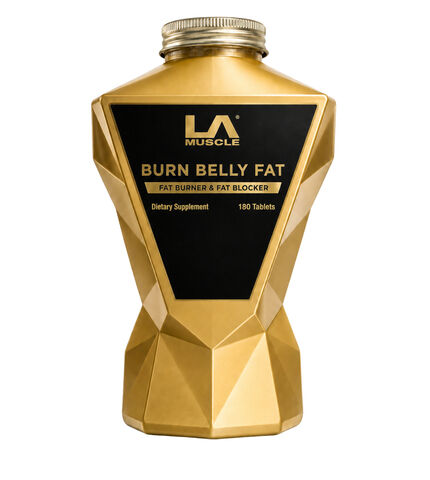
Burn Belly Fat
Fast-action natural fat burner for men & women
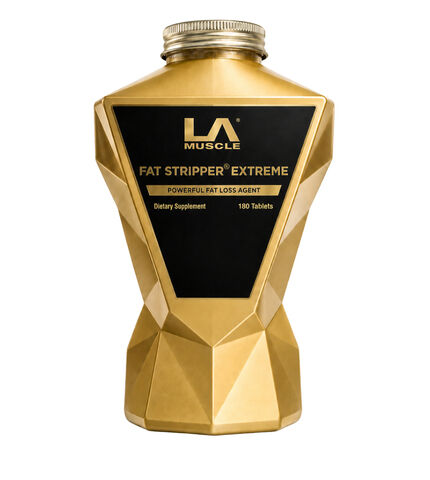
Fat Stripper Extreme
2 month supply of advanced 6-ingredient fat burner