SIGN IN
 REGISTER


The Knowledge > Exclusive Articles >
Friday, 30th January 2026
Do Athletes Actually Live Longer?
Does All That Aerobic Work Pay Off?
By LA Muscle on 30.01.2026 07:27 pm



Athletes are often viewed as the healthiest segment of society, but does years of intense training — especially aerobic exercise — actually translate into a longer life? Or does pushing the body to extremes cancel out the benefits?
When worldwide statistics and long-term scientific studies are examined together, a clear but nuanced picture emerges: many athletes do live longer than the general population, aerobic exercise plays a major role, but the benefits are not unlimited and depend strongly on sport type, training dose, and long-term lifestyle factors.
Overall longevity: do athletes outlive non-athletes?
Across multiple countries and decades, most large observational studies show that elite athletes have lower all-cause mortality than the general population. On average, they experience fewer deaths from cardiovascular disease and many cancers.
When lifespan is measured directly rather than just mortality rates, the advantage typically ranges from 2 to 6 additional years, depending on the cohort studied. This survival advantage has been observed in Olympic athletes, endurance athletes, and competitors in mixed sports requiring both stamina and strength.
However, this does not mean that athletic training alone guarantees longevity. Part of this advantage reflects:
-
Better baseline health before entering elite sport
-
Lower smoking rates and healthier long-term habits
-
Higher socioeconomic status and medical monitoring
-
Continued physical activity after retirement
Even after accounting for these factors, most high-quality reviews conclude that elite athletic participation is associated with longer life, not shorter.
Sport type matters more than “being athletic”
One of the strongest findings in modern research is that not all sports affect longevity equally.
Endurance and mixed sports
Athletes in endurance-based or mixed sports (such as long-distance running, cycling, swimming, rowing, football codes with high aerobic demand) consistently show lower cardiovascular mortality, reduced cancer risk, and longer average lifespan.
These benefits appear linked to long-term adaptations such as improved cardiac efficiency, vascular health, metabolic control, and anti-inflammatory effects.
Collision and high-impact sports
In contrast, athletes from collision or high-trauma sports show more variable outcomes. Some studies report neutral longevity, while others suggest slightly reduced lifespan compared with endurance athletes.
Potential contributing factors include repeated traumatic injuries, chronic pain and opioid exposure, neurodegenerative risk in certain sports, and post-career lifestyle changes.
Importantly, reduced longevity is not universal in contact sports, but the expected survival advantage seen in endurance athletes is often diminished or absent.
Does aerobic exercise help non-athletes live longer?
Yes. The evidence here is even stronger and clearer than in elite athletes.
Across enormous population studies involving hundreds of thousands of participants, regular aerobic exercise is one of the most powerful predictors of reduced mortality.
Key findings include:
-
Moving from sedentary to moderately active reduces death risk by roughly 20–30%
-
Even small amounts of aerobic activity produce measurable benefits
-
Greater volumes continue to reduce mortality risk, but with diminishing returns
Crucially, people who never competed in sport still gain most of the longevity benefit simply by maintaining consistent aerobic movement throughout adulthood.
Is there a point where aerobic exercise stops helping?
This is one of the most debated questions in exercise science.
Large population analyses show:
-
Mortality risk decreases sharply as activity increases from zero
-
Benefits continue up to 2–3 times standard activity guidelines
-
Beyond that, gains plateau rather than reverse
-
Extremely high volumes show no consistent increase in all-cause mortality
In other words, there is little evidence that high volumes of aerobic exercise shorten life, but there is also limited evidence that they dramatically extend lifespan beyond moderate-high levels.
Where excessive training can matter is in injury risk, hormonal disruption, overtraining syndrome, immune suppression, and mental burnout. These issues affect quality of life and performance more than lifespan itself.
Why aerobic work protects longevity
Aerobic exercise influences nearly every system involved in ageing:
-
Improves cardiac stroke volume and vascular elasticity
-
Enhances hormone sensitivity and metabolic health
-
Reduces chronic systemic inflammation
-
Lowers blood pressure and resting heart rate
-
Improves lipid profiles
-
Preserves mitochondrial function
-
Reduces risk of dementia and depression
These adaptations accumulate over decades, which explains why long-term consistency matters more than intensity alone.
So… does all that aerobic work pay off?
The scientific answer is clear.
Aerobic exercise clearly improves longevity. Many athletes live longer than average. More exercise is not always better beyond a certain point. Sport choice and long-term lifestyle matter more than peak performance.
The biggest longevity gains come not from extreme training, but from decades of regular, sustainable aerobic activity combined with recovery, nutrition, and avoidance of chronic injury.
Elite performance may win medals, but moderate-to-high lifelong movement wins years of life.
References-
Ruiz JR et al. Elite athletes live longer than the general population: a meta-analysis. Mayo Clinic Proceedings.
-
Antero J et al. Survival advantage of elite athletes: a systematic review. Sports Medicine.
-
Clarke PM et al. Life expectancy of elite athletes by sport type. Journal of Science and Medicine in Sport.
-
Arem H et al. Leisure-time physical activity and mortality risk. JAMA Internal Medicine.
-
World Health Organization. Physical Activity and Health Fact Sheet.
-
Lee IM et al. Effect of physical inactivity on major non-communicable diseases worldwide. The Lancet.
-
Ekelund U et al. Dose-response associations between physical activity and mortality. BMJ.






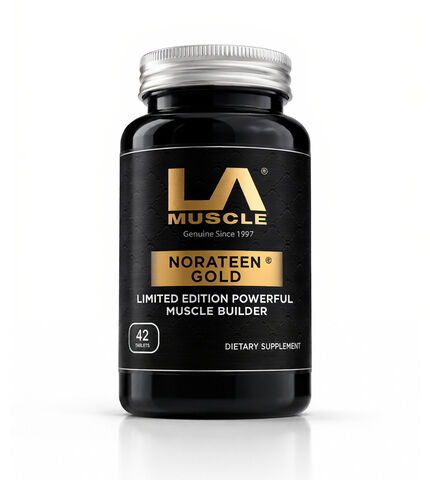
Norateen Gold
Expensive next-level ingredients in an award-winning formula, 100% guaranteed gains
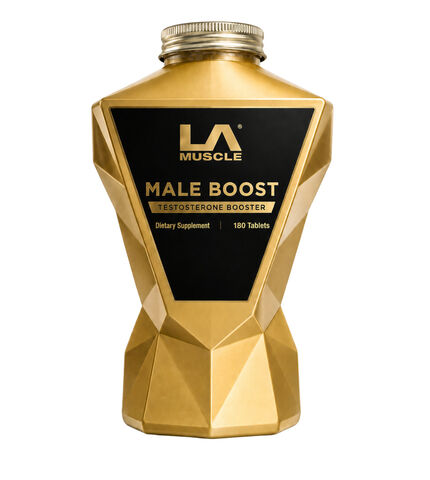
Male Boost
Testo booster to get you strong, lean, increase your confidence and libido