SIGN IN
 REGISTER


Thursday, 23rd July 2026
How to Make Good Choices for High-Protein Meals
By LA Muscle on 23.07.2026 07:25 am



Protein is one of the most important nutrients for building and maintaining muscle, supporting recovery, controlling appetite, maintaining healthy bones, and helping you stay fuller for longer. Whether your goal is to build muscle, lose body fat, improve your health, or simply eat better, choosing the right protein sources can make a significant difference.
Not all protein-rich foods are equal. Some are naturally lean and packed with essential nutrients, while others come with large amounts of saturated fat, sugar, or highly processed ingredients. Learning how to identify the best sources of protein allows you to create satisfying meals that support your goals.
Why Protein Matters
Protein is made up of amino acids, often referred to as the building blocks of life. Your body uses them to repair tissues, produce enzymes and hormones, support the immune system, and build lean muscle.
Eating enough protein can help:
- Maintain and build muscle mass.
- Improve recovery after exercise.
- Keep you feeling fuller for longer.
- Help preserve muscle while dieting.
- Support healthy skin, hair and nails.
- Stabilise energy levels throughout the day.
Lean Meats
Lean meats provide some of the highest-quality complete proteins, containing all nine essential amino acids.
Chicken Breast
Chicken breast is one of the most popular protein choices because it is lean, versatile and affordable.
Approximate protein:
- 31g per 100g cooked
Good meal ideas include grilled chicken with vegetables, chicken salads, stir-fries and wraps.
Turkey Breast
Turkey is another excellent lean protein that is naturally low in fat.
Approximate protein:
- 29g per 100g
Turkey works well in sandwiches, salads, burgers or roasted dinners.
Lean Beef
Lean cuts such as sirloin, topside, eye of round and fillet provide high-quality protein along with iron, zinc and vitamin B12.
Approximate protein:
- 26–30g per 100g
Choose lean cuts and trim visible fat where possible.
Lean Pork
Pork tenderloin is much leaner than many people realise.
Approximate protein:
- 27g per 100g
It pairs well with vegetables, sweet potatoes and whole grains.
Fish
Fish offers high-quality protein together with important vitamins and minerals. Many varieties also contain heart-healthy omega-3 fatty acids.
Tuna
Fresh tuna is exceptionally high in protein.
Approximate protein:
- 29–30g per 100g
Canned tuna in spring water is also an excellent, convenient choice.
Salmon
Salmon combines high protein with beneficial omega-3 fats.
Approximate protein:
- 25g per 100g
Although higher in fat than white fish, most of its fat is considered beneficial.
Cod
Cod is very lean while remaining rich in protein.
Approximate protein:
- 23g per 100g
Perfect for baking, grilling or steaming.
Haddock
Haddock is another excellent lean white fish.
Approximate protein:
- 24g per 100g
Sardines
Sardines provide protein, calcium, vitamin D and omega-3 fats.
Approximate protein:
- 25g per 100g
Seafood
Seafood is often overlooked despite being one of the richest natural protein sources available.
Prawns
Prawns are extremely lean while being rich in protein.
Approximate protein:
- 24g per 100g
Crab
Fresh crab meat provides excellent protein with relatively few calories.
Approximate protein:
- 20g per 100g
Lobster
Lobster is surprisingly lean.
Approximate protein:
- 22g per 100g
Mussels
Mussels are rich in protein, iron and vitamin B12.
Approximate protein:
- 24g per 100g
Scallops
Scallops are among the leanest seafood choices.
Approximate protein:
- 24g per 100g
Eggs
Eggs are often considered one of nature's most complete foods.
One large egg contains approximately:
- 6–7g protein
Eggs provide complete protein together with choline, vitamin D and numerous other nutrients.
Egg white omelettes offer even more protein with minimal fat.
Dairy Products
Dairy foods provide high-quality protein together with calcium and other important nutrients.
Greek Yogurt
One of the best high-protein dairy options.
Approximate protein:
- 10g per 100g
Choose plain varieties without added sugar.
Cottage Cheese
A favourite among athletes due to its high casein protein content.
Approximate protein:
- 11–13g per 100g
Excellent as a snack or breakfast.
Skyr
Traditional Icelandic yogurt is exceptionally rich in protein.
Approximate protein:
- 11g per 100g
Reduced-Fat Cheese
Many cheeses contain substantial protein.
Examples include:
- Cheddar
- Edam
- Parmesan
- Mozzarella
Remember that cheese is also relatively high in calories and saturated fat, so moderation is important.
Milk
Both dairy and fortified high-protein milks contribute useful protein.
Approximate protein:
- 3–4g per 100ml
Vegetarian Protein Sources
Plant-based diets can easily provide sufficient protein when meals are well planned.
Tofu
Made from soybeans, tofu is a complete plant protein.
Approximate protein:
- 17g per 100g
Tempeh
Tempeh is fermented soy with an even higher protein content.
Approximate protein:
- 20g per 100g
Edamame Beans
Young soybeans are rich in protein and fibre.
Approximate protein:
- 11g per 100g
Lentils
Cooked lentils provide an excellent combination of protein and fibre.
Approximate protein:
- 9g per 100g
Chickpeas
A versatile protein source.
Approximate protein:
- 8–9g per 100g cooked
Black Beans
Approximate protein:
- 9g per 100g cooked
Kidney Beans
Approximate protein:
- 8–9g per 100g cooked
Quinoa
Unlike most grains, quinoa contains all essential amino acids.
Approximate protein:
- 4–5g per 100g cooked
Nuts and Seeds
Although higher in fat and calories, nuts and seeds contribute useful protein.
Examples include:
- Almonds
- Pistachios
- Pumpkin seeds
- Chia seeds
- Hemp seeds
- Sunflower seeds
These work well as snacks or salad toppings rather than primary protein sources.
High-Protein Meal Ideas
Breakfast:
- Greek yogurt with berries and seeds.
- Vegetable omelette.
- Cottage cheese with fruit.
Lunch:
- Grilled chicken salad.
- Tuna and quinoa bowl.
- Turkey wrap with mixed vegetables.
Dinner:
- Salmon with asparagus and potatoes.
- Lean steak with broccoli.
- Grilled prawns with brown rice.
- Tofu stir-fry with vegetables.
- Lentil curry with quinoa.
Snacks:
- Cottage cheese.
- Boiled eggs.
- Greek yogurt.
- Protein shake.
- Edamame beans.
Tips for Choosing Better Protein Meals
Choose lean cuts of meat whenever possible rather than heavily processed meats. Eat oily fish such as salmon, sardines or mackerel at least once or twice each week to increase omega-3 intake. Include a variety of protein sources throughout the week rather than relying on just one food. Avoid deep-fried protein options that add unnecessary calories and unhealthy fats. Watch sauces, dressings and coatings, which often contain more calories than the protein itself. Combine protein with vegetables, whole grains and healthy fats to create balanced meals. When eating vegetarian meals, combine different plant protein sources across the day to ensure a broad amino acid intake.
Foods That May Look High in Protein but Aren't Ideal
Some foods are marketed as protein-rich but may also be high in sugar, salt or saturated fat. Examples include:
- Processed sausages.
- Breaded chicken products.
- High-fat burgers.
- Sugary protein bars.
- Sweetened protein yogurts.
- Processed deli meats.
These foods can still fit into a balanced diet occasionally but should not become your main protein sources.
How Much Protein Do You Need?
Individual requirements vary depending on age, body size and activity level.
General guidelines suggest:
- Sedentary adults: around 0.8g per kilogram of body weight daily.
- Recreational exercisers: around 1.2–1.6g/kg.
- Strength athletes and bodybuilders: around 1.6–2.2g/kg.
- Older adults may also benefit from protein intakes towards the upper end of these ranges to help preserve muscle mass.
Rather than consuming all your protein in one meal, aim to spread it evenly across breakfast, lunch, dinner and snacks. This helps maximise muscle protein synthesis and keeps you feeling satisfied throughout the day.
Choosing high-protein meals doesn't have to be complicated. Lean meats, poultry, fish, seafood, eggs, dairy and well-planned vegetarian foods all provide excellent sources of high-quality protein. By focusing on whole, minimally processed foods and including a variety of protein sources throughout the week, you can support muscle growth, improve recovery, maintain a healthy weight and enjoy balanced, nutritious meals every day.






Norateen Gummy
Incredible, innovative, fast-acting muscle building gummy
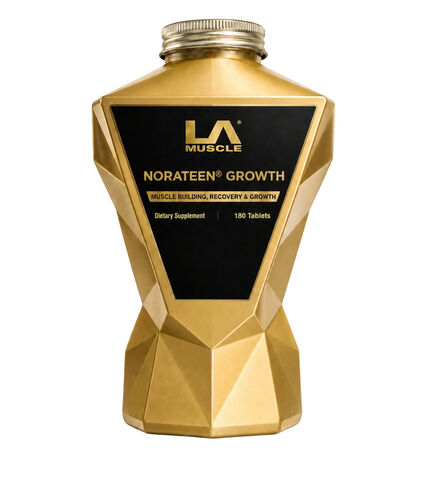
Norateen Growth
Strongest HMB, BCAA & Testo Supplement In The World