SIGN IN
 REGISTER


Sunday, 14th June 2026
Vitamin C for Gym Performance, Muscle Growth and Recovery
By LA Muscle on 14.06.2026 05:50 pm


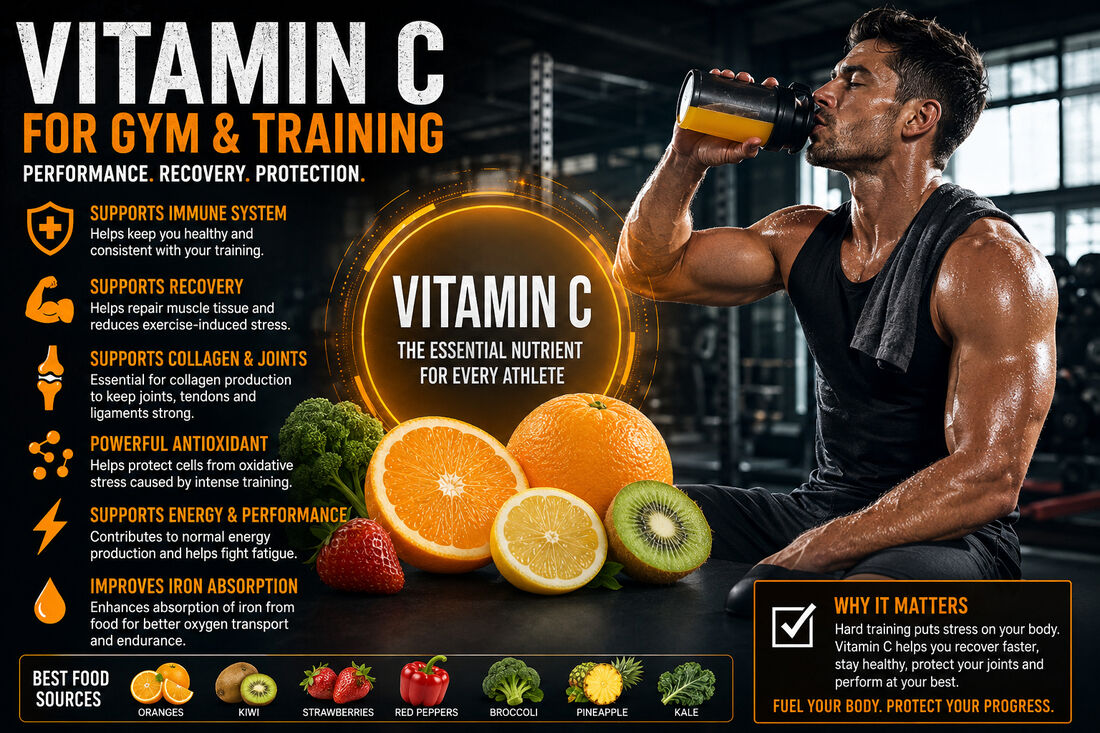
Vitamin C is one of the most recognised vitamins in the world, yet many gym-goers underestimate just how important it is for muscle growth, recovery, performance and overall health.
While most people associate Vitamin C with immunity and fighting off colds, it plays a much bigger role in athletic performance. From supporting collagen production and joint health to helping combat training stress and improving recovery, Vitamin C is an essential nutrient for anyone serious about training.
What Is Vitamin C?
Vitamin C, also known as ascorbic acid, is a water-soluble vitamin that the human body cannot produce on its own. This means it must be obtained from food or supplementation. Unlike some nutrients that can be stored in the body, Vitamin C must be replenished regularly.
Vitamin C and Muscle Recovery
One of the biggest benefits of Vitamin C for athletes is its role in recovery. Every hard training session creates microscopic damage within muscle tissue. This is a normal part of the muscle-building process. Vitamin C helps support the repair and rebuilding of tissues following intense exercise. Athletes who recover faster can train harder, more frequently and with greater consistency.
Supports Collagen Production
Collagen is the most abundant protein in the human body.
It forms a major part of:
- Tendons
- Ligaments
- Cartilage
- Joints
- Bones
- Skin
- Connective tissue
Vitamin C is essential for collagen synthesis. Without sufficient Vitamin C, collagen production can be compromised. For gym-goers and athletes this is particularly important because stronger connective tissues may help support heavy lifting, explosive movements and long-term training durability.
Helps Maintain Healthy Joints
Heavy training places significant stress on joints. Whether you are squatting, deadlifting, sprinting or playing football, your joints are constantly under pressure. Because Vitamin C supports collagen formation, it indirectly helps maintain healthy cartilage and connective tissues.
This makes it particularly valuable for:
- Weight trainers
- Footballers
- Rugby players
- Sprinters
- Endurance athletes
- Combat sports athletes
Supports the Immune System
One missed week of training due to illness can set progress back significantly. Vitamin C is well known for supporting normal immune function. Hard training itself can place stress on the body and temporarily challenge immune defences. Maintaining adequate Vitamin C intake may help athletes stay healthy and remain consistent with their training.
Powerful Antioxidant Protection
Intense exercise increases the production of free radicals. These unstable molecules are generated naturally during hard physical activity. Vitamin C functions as a powerful antioxidant, helping protect cells from oxidative stress. This is one reason why athletes often have higher Vitamin C requirements than sedentary individuals.
May Help Reduce Excessive Exercise Stress
Training is a form of controlled stress. The body adapts to this stress by becoming stronger and fitter. Vitamin C helps support the body's normal response to physical stress and may assist recovery following demanding training sessions.
This becomes particularly important during:
- Intense training phases
- Pre-competition preparation
- High-volume gym programmes
- Football pre-season training
- Fat-loss phases
Supports Energy Production
Vitamin C contributes to normal energy-yielding metabolism. Although it does not directly provide energy like carbohydrates, it plays an important role in many metabolic processes involved in energy production. Athletes often notice that maintaining adequate Vitamin C intake supports overall vitality and performance.
Supports Iron Absorption
This is one of Vitamin C's most overlooked benefits. Vitamin C significantly enhances the absorption of iron from food. Iron plays a critical role in oxygen transport and endurance performance.
Athletes with low iron levels often experience:
- Reduced stamina
- Poor recovery
- Fatigue
- Lower training intensity
Consuming Vitamin C alongside iron-rich foods can improve iron utilisation.
Important for Football Players
Football combines:
- Sprinting
- Running
- Jumping
- Tackling
- Rapid changes of direction
These actions place enormous stress on muscles, tendons and joints.
Vitamin C supports:
- Recovery between matches
- Connective tissue health
- Collagen production
- Immune function
- Overall athletic performance
Many elite footballers make Vitamin C a regular part of their nutritional strategy.
Important for Weight Training
For bodybuilders and strength athletes, Vitamin C provides benefits that extend beyond general health.
It supports:
- Recovery from hard workouts
- Connective tissue integrity
- Tendon health
- Joint support
- Overall training capacity
Heavy lifters place tremendous strain on their bodies, making adequate Vitamin C intake especially important.
Best Food Sources of Vitamin C
Excellent natural sources include:
- Oranges
- Lemons
- Grapefruit
- Kiwis
- Strawberries
- Pineapple
- Papaya
- Red peppers
- Broccoli
- Brussels sprouts
- Kale
- Spinach
Many people are surprised to learn that certain vegetables contain more Vitamin C than oranges.
Supplementing with Vitamin C
Athletes often use Vitamin C supplements because they provide a convenient way to ensure consistent intake.
Common forms include:
- Ascorbic acid
- Buffered Vitamin C
- Sustained-release Vitamin C
- Vitamin C with bioflavonoids
Many athletes take Vitamin C daily as part of their general health and recovery routine.
Signs You May Need More Vitamin C
Potential signs of inadequate intake may include:
- Frequent illness
- Slow recovery
- Fatigue
- Poor wound healing
- Easy bruising
- Low fruit and vegetable intake
Vitamin C is far more than just an immune-support vitamin. For athletes, footballers and gym enthusiasts, it plays a vital role in recovery, collagen formation, connective tissue health, antioxidant protection and overall performance. Whether your goal is building muscle, increasing strength, improving athletic performance or staying injury-free, maintaining adequate Vitamin C intake should be a fundamental part of your nutrition strategy. Consistent training builds muscle. Quality nutrition supports performance. Vitamin C helps ensure your body has the tools it needs to recover, adapt and perform at its best.








Vasculator
WINNER: Men's Health Supplements Awards. Instant Muscle Pumps!
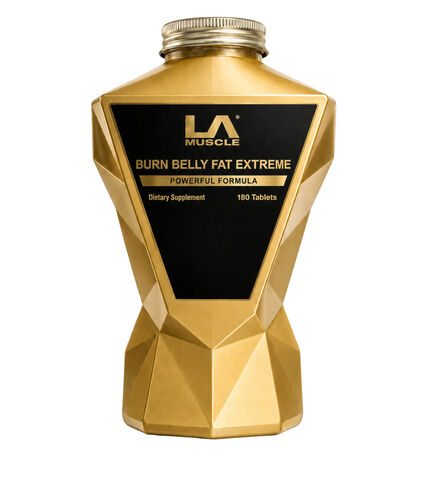
Burn Belly Fat EXTREME
Next level extreme belly fat burner