SIGN IN
 REGISTER


The Knowledge > How To Build Muscle >
Friday, 3rd July 2026
How to Train Like a Professional Doorman
By LA Muscle on 03.07.2026 08:58 pm


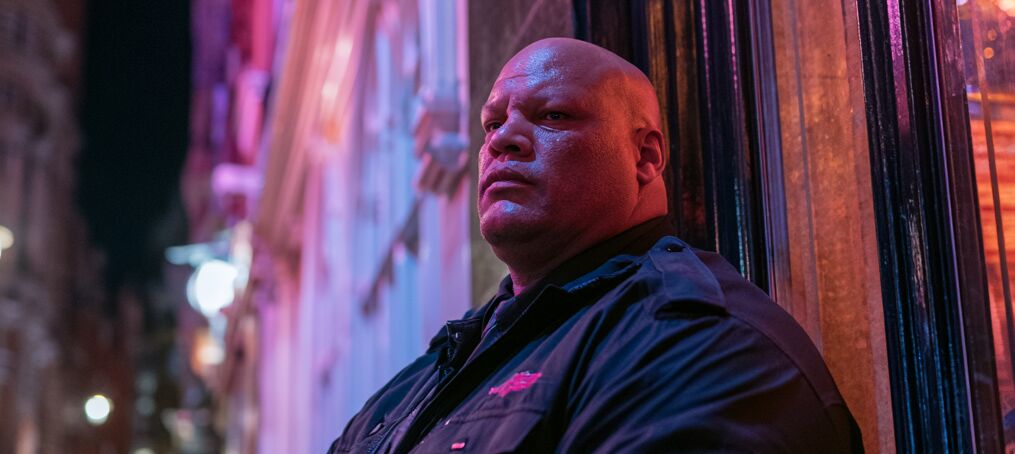
Most people think the job of a professional doorman is about being the biggest, strongest person outside a nightclub. In reality, experienced doormen will tell you the opposite. The best doormen rarely have to fight. Their reputation, awareness, communication skills and ability to stay calm under pressure are usually what prevent trouble before it starts. When physical intervention does become unavoidable, it is normally brief, controlled, proportionate and focused on protecting everyone involved—not "winning" a fight.
If you ask experienced security professionals what separates an average doorman from an elite one, the answers are surprisingly consistent.
1. Build Functional Strength, Not Just Show Muscles
Many new door staff spend years chasing the perfect physique. Experienced doormen focus on practical strength.
Their training usually prioritises:
- Heavy carries
- Deadlifts
- Squats
- Farmer's walks
- Pull-ups
- Sled pushes
- Grip training
- Core stability
These exercises develop the ability to move awkward loads, maintain balance and stay strong for long periods rather than simply looking muscular.
The strongest-looking person in the gym is not always the most capable during a long shift.
2. Grip Strength Is One of the Biggest Hidden Advantages
One area repeatedly mentioned by experienced security staff is grip strength.
Strong hands and forearms improve:
- Carrying ability
- Control during manual handling
- Confidence when moving heavy objects
- Overall functional strength
Many incorporate:
- Thick-bar training
- Towel pull-ups
- Plate pinches
- Farmer's carries
- Dead hangs
Grip strength also transfers well into almost every other strength exercise.
3. Train Your Legs More Than Your Chest
Many beginners overtrain chest and arms.
Veteran doormen often place greater emphasis on:
- Squats
- Walking lunges
- Romanian deadlifts
- Step-ups
- Hill sprints
Strong legs provide:
- Better balance
- Improved endurance
- Faster movement
- Reduced fatigue during long hours standing
Power starts from the ground.
4. Cardio That Matches the Job
The role is rarely a continuous sprint. Instead, it involves long periods of standing mixed with occasional bursts of intense activity.
Many experienced professionals favour:
- Walking with weight
- Stair climbing
- Assault bike intervals
- Rowing
- Short sprint intervals
- Loaded carries
This combination develops work capacity without sacrificing strength.
5. Train to Stay Calm Under Stress
One of the least discussed skills is emotional control.
Elite doormen deliberately practise:
- Controlled breathing
- Remaining calm under pressure
- Clear decision making
- Avoiding emotional reactions
- Reading body language
- Maintaining professional communication
Remaining composed often prevents situations from escalating.
6. Learn to Read People
Experienced security professionals constantly observe.
They notice:
- Changes in behaviour
- Signs of intoxication
- Escalating arguments
- Nervous body language
- Environmental hazards
- Crowding and bottlenecks
This allows them to anticipate problems rather than simply reacting to them.
7. Recovery Is Part of the Job
Late finishes, long shifts and standing for hours place significant demands on the body.
Many long-serving doormen prioritise:
- Quality sleep
- Protein intake
- Hydration
- Mobility work
- Stretching
- Foot care
- Comfortable footwear
- Regular massage or physiotherapy when needed
Longevity often depends more on recovery than training intensity.
8. Neck and Core Strength Matter
Strong stabilising muscles help maintain posture during long shifts.
Useful exercises include:
- Planks
- Side planks
- Pallof presses
- Loaded carries
- Back extensions
- Controlled neck strengthening under qualified supervision
These improve posture, resilience and overall athleticism.
9. The Best Doormen Usually Avoid Fighting
This surprises many people. Experienced professionals consistently say their biggest success is finishing an entire shift without anyone getting hurt. Good communication, calm body language and confident professionalism resolve far more incidents than physical force. The most respected doorman is often the one who never needs to prove how tough he is.
10. Professionalism Beats Aggression
Successful security professionals focus on:
- Respect
- Patience
- Observation
- Teamwork
- Clear communication
- Sound judgement
- Knowing when to call for assistance
- Following legal and organisational procedures
These qualities earn trust from colleagues, venues and customers alike.
A Sample Weekly Training Plan
Monday – Strength
- Squats
- Deadlifts
- Farmer's carries
- Pull-ups
- Planks
Tuesday – Conditioning
- Stair climbing
- Rowing intervals
- Mobility work
Wednesday – Upper Body
- Overhead press
- Rows
- Grip training
- Loaded carries
Thursday – Recovery
- Walking
- Stretching
- Mobility
- Light core work
Friday – Full Body
- Front squats
- Romanian deadlifts
- Sled pushes
- Pull-ups
Saturday – Endurance
- Long weighted walk
- Hill walking
- Mobility
Sunday – Rest
The Biggest Myth
Hollywood portrays doormen as intimidating fighters. In reality, the most effective professionals are often excellent communicators with strong situational awareness, good fitness and sound judgement. Their aim is to maintain a safe environment, not to seek confrontation.
Training like a professional doorman is about becoming a well-rounded athlete and a disciplined professional. Strength, endurance, grip, mobility and recovery all matter, but so do observation, emotional control and communication. The true hallmark of an experienced doorman is not how many fights they have been in—it's how many potentially dangerous situations they have successfully prevented from becoming fights at all.







Six Pack Pill® Extreme
Guaranteed six pack or money back, NO RISK results typically in days

Norateen Heavyweight II
Voted No.1: Men's Health BBC/ SKY TV. No side effects, full guarantee