SIGN IN
 REGISTER


The Knowledge > How To Build Muscle >
Wednesday, 10th June 2026
How to Work Out in Your Room and Grow Muscle
By LA Muscle on 10.06.2026 07:29 am



Many people believe that building muscle requires a fully equipped gym, expensive machines, or heavy weights. The truth is that thousands of people have built impressive physiques training in nothing more than a bedroom, spare room, garage, or small home space.
While a gym offers more equipment and exercise variety, your muscles do not know whether resistance is coming from a £10,000 machine, a barbell, resistance bands, or your own bodyweight. What they respond to is tension, effort, recovery, and progressive overload.
If you apply the correct principles consistently, you can build muscle and strength without ever leaving your room.
The Secret Is Progressive Overload
The biggest mistake people make when training at home is doing the same workout over and over again. Your muscles only grow when they are challenged to do more than they did previously. This principle is known as progressive overload.
Every workout should aim to improve on the last one by:
- Doing more repetitions
- Increasing resistance
- Performing an extra set
- Slowing down the movement
- Improving exercise technique
- Reducing rest periods
- Increasing training frequency
Even one extra repetition compared to your previous workout is progress. Muscle growth is the body's way of adapting to greater demands. If the demand never increases, growth eventually stops.
Bodyweight Exercises Can Build Serious Muscle
Many people underestimate bodyweight training.
Push-ups, squats, lunges, dips, pull-ups, planks, and similar exercises can create significant muscle-building stimulus when performed correctly.
Some of the best room-friendly exercises include:
Push-Ups
Push-ups primarily target the chest, shoulders, and triceps.
Once standard push-ups become easy, progress to:
- Slow push-ups
- Feet-elevated push-ups
- Diamond push-ups
- Archer push-ups
- One-arm push-up progressions
Squats
Squats develop the thighs, glutes, and overall lower body.
Progress by:
- Increasing repetitions
- Using single-leg variations
- Adding pauses
- Performing jump squats
- Holding weights or resistance bands
Lunges
Lunges build powerful legs while improving balance and coordination.
Walking lunges, reverse lunges, and Bulgarian split squats can all be performed in limited space.
Pull-Ups
If you have access to a doorway pull-up bar, pull-ups become one of the best upper-body muscle builders available.
They target:
- Lats
- Biceps
- Forearms
- Upper back
Few home exercises can match their effectiveness.
Dips
Using sturdy parallel bars or suitable supports, dips can build impressive chest, shoulder, and triceps development.
Make Light Resistance Feel Heavy
Many people think muscle growth only occurs with heavy weights. Research and real-world experience show that lighter resistance can still build muscle if taken close to muscular failure.
You can increase difficulty by:
- Slowing repetitions
- Holding positions
- Increasing time under tension
- Performing more repetitions
- Reducing rest periods
For example, a push-up performed slowly for 12 repetitions may create more muscular tension than 25 rushed repetitions.
Use Resistance Bands
Resistance bands are one of the best investments for home training. They are inexpensive, portable, and capable of providing significant resistance.
Bands can be used for:
- Chest presses
- Rows
- Shoulder presses
- Biceps curls
- Triceps extensions
- Squats
- Deadlift movements
A small collection of resistance bands can replicate many gym exercises.
Train Close to Failure
One of the most important muscle-building concepts is training intensity. Many people stop their sets far too early. To stimulate growth, you should often finish a set feeling that only one to three more repetitions would have been possible. This level of effort recruits more muscle fibres and provides the signal for growth. If you finish every set feeling fresh, muscle gains will be slower.
Eat Enough Protein
Training provides the stimulus for growth, but nutrition provides the raw materials. Protein is essential for repairing and building muscle tissue.
Good protein sources include:
- Lean meat
- Fish
- Eggs
- Dairy products
- LA Whey Gold protein
- Greek yoghurt
- Cottage cheese
- Beans and legumes
Aim to include a quality protein source with each meal throughout the day.
Get Enough Calories
Muscle growth requires energy. If you are trying to gain size, you may need to consume more calories than you burn. This does not mean eating junk food.
Focus on:
- Lean proteins
- Complex carbohydrates
- Healthy fats
- Fruit
- Vegetables
A consistent calorie surplus combined with hard training often produces the best muscle-building results.
Recovery Is Where Growth Happens
Your muscles do not grow during the workout. Growth occurs during recovery.
Prioritise:
- 7-9 hours of sleep
- Proper nutrition
- Hydration
- Rest days when required
Poor recovery limits muscle growth no matter how hard you train.
Sample Bedroom Muscle-Building Workout
Perform 3-4 times per week.
Circuit 1
- Push-Ups: 3 sets
- Bodyweight Squats: 3 sets
- Lunges: 3 sets per leg
Circuit 2
- Pike Push-Ups: 3 sets
- Glute Bridges: 3 sets
- Plank Holds: 3 sets
Optional
- Resistance Band Rows: 3 sets
- Band Curls: 3 sets
- Band Triceps Extensions: 3 sets
Work hard, focus on good technique, and attempt to improve something every workout.
You do not need a gym membership to build muscle. Your bedroom, spare room, garage, garden, or living room can become an effective training environment when the correct principles are applied. The key is not fancy equipment. The key is progressive overload, training intensity, proper nutrition, and consistency. If you challenge your muscles to do more than they did last time, recover properly, and continue improving week after week, your body will have no choice but to adapt and grow.







Norateen Black
World's First Norateen® Muscle Builder AND Fat Burner In One
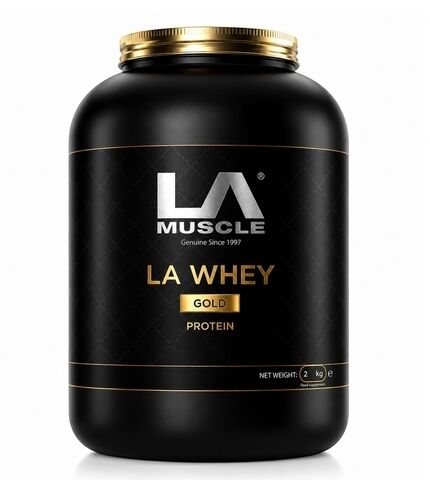
LA Whey Gold Protein
Voted "Best for Hard Gainers", Now with FREE Leaning agents, 50g per serving