SIGN IN
 REGISTER


The Knowledge > How To Build Muscle >
Friday, 30th January 2026
Fast-Twitch vs Slow-Twitch Muscle Fibres
What They Are, How They Differ, How to Train Them
By LA Muscle on 30.01.2026 07:34 pm


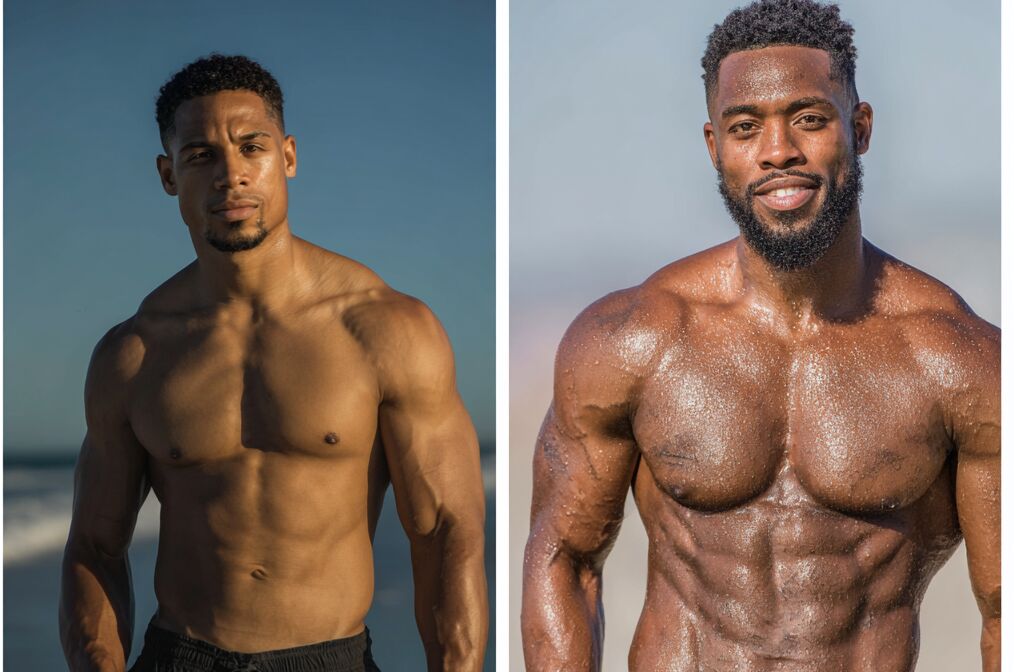
Human skeletal muscle is not uniform. Every muscle in the body is composed of different fibre types with distinct structural, metabolic, and functional properties. These fibres broadly fall into two categories: slow-twitch (Type I) and fast-twitch (Type II). Understanding how they work, how they adapt, and how they should be trained is fundamental for building strength, size, endurance, and an optimal physique.
The two main muscle fibre types
Slow-twitch fibres (Type I)
Slow-twitch fibres are designed for sustained, repetitive activity. They contract relatively slowly, generate lower force per contraction, and are highly resistant to fatigue.
Key characteristics:
-
High mitochondrial density
-
Rich capillary supply
-
High myoglobin content (giving them a red appearance)
-
Primarily use aerobic metabolism
-
Low maximal force output
-
Very high endurance capacity
Slow-twitch fibres dominate in muscles responsible for posture, stability, and prolonged activity. They are heavily involved in endurance sports such as long-distance running, cycling, swimming, and rowing.
Fast-twitch fibres (Type II)
Fast-twitch fibres are specialised for speed and power. They contract rapidly, produce high force, and fatigue much more quickly than slow-twitch fibres.
Key characteristics:
-
Lower mitochondrial density
-
Fewer capillaries than Type I fibres
-
Lower myoglobin content (whiter appearance)
-
Primarily rely on anaerobic metabolism
-
High force and power output
-
Low endurance capacity
Fast-twitch fibres are critical for sprinting, jumping, Olympic lifting, powerlifting, throwing, and bodybuilding-style hypertrophy.
Fast-twitch fibres are often subdivided into:
-
Type IIa: fast, moderately fatigue-resistant, adaptable
-
Type IIx: very fast, very powerful, fatigue rapidly
In humans, Type IIa fibres are the most trainable and relevant for physique and performance.
Genetic distribution vs training adaptation
Fibre type distribution is partially genetic. Some individuals are naturally more endurance-oriented, others more power-oriented. However, training has a profound effect on how fibres behave.
Key points:
-
You cannot fully convert slow-twitch fibres into fast-twitch fibres or vice versa
-
You can shift characteristics within fibre types, especially within Type II fibres
-
Training determines fibre size, metabolic efficiency, fatigue resistance, and recruitment patterns
In other words, genetics sets the range, but training determines where you sit within it.
How each fibre type contributes to physique
Slow-twitch fibres and physique
Slow-twitch fibres have limited hypertrophic potential. They grow, but not dramatically. Their contribution to physique is subtle but essential.
They provide:
-
Muscle density and hardness
-
Improved capillarisation and nutrient delivery
-
Enhanced recovery between sets and sessions
-
Better fat oxidation and metabolic health
Athletes with highly developed Type I fibres often appear lean, tight, and athletic rather than bulky.
Fast-twitch fibres and physique
Fast-twitch fibres have the greatest capacity for hypertrophy. They are responsible for most visible muscle size and shape.
They provide:
-
Muscle thickness and roundness
-
Strength and power
-
The “3D” look associated with bodybuilding
-
Rapid size gains when trained correctly
Most dramatic physique transformations are driven primarily by fast-twitch fibre hypertrophy.
How to train slow-twitch fibres effectively
Slow-twitch fibres respond best to long duration, lower intensity work and high time-under-tension.
Effective training methods include:
-
Higher repetitions (15–30+ per set)
-
Short rest periods (30–60 seconds)
-
Continuous tension
-
Slow, controlled tempos
-
Endurance cardio (steady-state aerobic work)
Examples:
-
Long sets of squats, lunges, leg press
-
Extended sets of pull-ups or rows
-
Cycling, incline walking, rowing at moderate intensity
This style of training improves muscular endurance, recovery capacity, and metabolic efficiency.
How to train fast-twitch fibres effectively
Fast-twitch fibres require high force or high velocity to be recruited and adapted.
Effective training methods include:
-
Heavy loads (80–95% of one-rep max)
-
Lower repetitions (1–6 per set)
-
Explosive intent (even with heavy weight)
-
Longer rest periods (2–5 minutes)
Examples:
-
Heavy compound lifts (squats, deadlifts, presses)
-
Olympic lifts and derivatives
-
Sprints, jumps, throws
-
Moderate-rep hypertrophy work taken close to failure
Fast-twitch fibres are only fully recruited when the nervous system is forced to generate high output.
The mistake most people make
Most trainees unknowingly bias their training toward one fibre type.
Common errors include:
-
Only doing moderate reps (8–12) and never training heavy or very light
-
Excessive cardio with no heavy resistance training
-
Heavy lifting with no endurance or recovery-focused work
This leads to incomplete development, plateaus, and suboptimal physique outcomes.
How to train both fibre types for the best physique
The most impressive physiques are built by training both fibre systems deliberately.
An effective balanced approach includes:
-
Heavy compound lifts to stimulate fast-twitch fibres
-
Moderate hypertrophy work for mixed fibre recruitment
-
Occasional high-rep or density work to target slow-twitch fibres
-
Regular aerobic conditioning to support recovery and leanness
Example weekly structure:
-
2–3 heavy strength-focused sessions
-
1–2 hypertrophy-focused sessions
-
2–3 aerobic or conditioning sessions
This combination:
-
Maximises muscle size
-
Improves muscle quality and density
-
Enhances recovery between workouts
-
Supports fat loss and long-term health
Fibre types, ageing, and longevity
Fast-twitch fibres decline more rapidly with age if not trained. Loss of Type II fibres is strongly associated with weakness, frailty, and reduced independence later in life.
Regular resistance training preserves:
-
Fast-twitch fibre size
-
Neuromuscular function
-
Power output
Aerobic training preserves:
-
Slow-twitch fibre efficiency
-
Cardiovascular health
-
Metabolic flexibility
Training both is essential not only for physique, but for long-term function. Slow-twitch and fast-twitch muscle fibres serve different purposes, respond to different stimuli, and contribute differently to physique and performance. Slow-twitch fibres support endurance, recovery, metabolic health, and muscle quality. Fast-twitch fibres drive size, strength, power, and visual muscularity. The best physiques are not built by choosing one — they are built by intelligently training both.





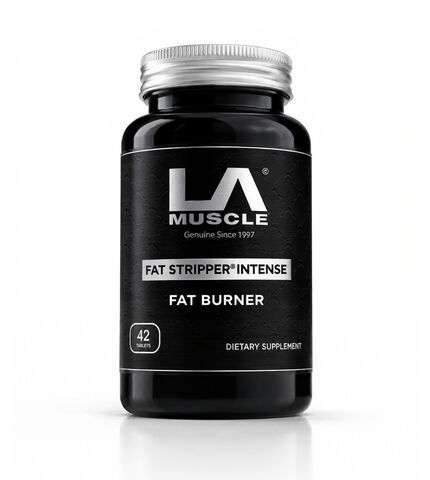
Fat Stripper Intense
Results in just days, no killing yourself in the gym, you take NO RISK
Vasculator
WINNER: Men's Health Supplements Awards. Instant Muscle Pumps!