SIGN IN
 REGISTER


The Knowledge > How To Build Muscle >
Saturday, 10th January 2026
How This Personal Trainer Built His Best Body at 50
By LA Muscle on 10.01.2026 08:55 am



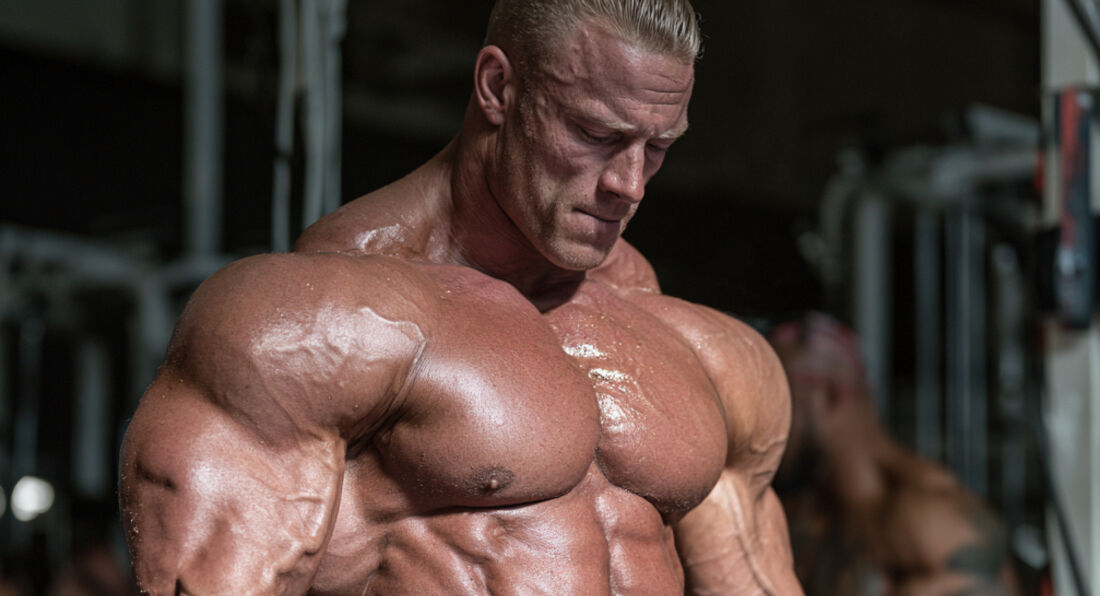
By the time most men start negotiating with their knees, James Carter was deadlifting double bodyweight, running sub-20-minute 5Ks, and posting physique photos that looked better than his 30s. At 50, the London-based personal trainer claims he’s in the best shape of his life — and the science backs him up. This isn’t a story about genetic lottery wins or living in the gym. It’s about intelligent training, recovery discipline, hormone optimisation, and consistency so boring it becomes unstoppable.
Here’s exactly how he did it.
1. He Stopped Training Like He Was 25
“In my 30s I trained harder. In my 40s I trained smarter. At 50 I train surgically,” James says. Instead of chasing exhaustion, he shifted toward:
-
Lower volume, higher quality reps
-
Perfect form and controlled tempo
-
Longer recovery windows
-
Joint longevity over ego lifting
His weekly structure now looks like this:
Training split (5 days)
-
Day 1 – Upper push: Chest, shoulders, triceps
-
Day 2 – Lower body: Quads, hamstrings, glutes
-
Day 3 – Active recovery: Mobility, light cardio, stretching
-
Day 4 – Upper pull: Back, biceps, posture work
-
Day 5 – Athletic conditioning: Sprints, sleds, kettlebells
Sessions rarely exceed 60 minutes. Intensity stays high, junk volume stays low. “I leave the gym feeling powerful — not broken.”
2. He Made Recovery His Secret Weapon
At 50, recovery isn’t optional — it’s performance.
James treats recovery like training:
-
7–8 hours of sleep nightly (dark room, phone off by 10pm)
-
Daily mobility work (hips, thoracic spine, shoulders)
-
Contrast showers three times per week
-
Sports massage every fortnight
-
Steps target: 10,000–12,000 daily for circulation and fat loss
He also schedules deload weeks every 6–8 weeks, dropping volume by around 40 percent to let his nervous system reset. “Your muscles grow when you recover — not when you lift.”

3. He Ate for Hormones, Not Just Abs
Crash dieting kills testosterone, energy and motivation. James flipped the script.
His nutrition principles:
-
Protein: 2–2.2g per kg of bodyweight
-
Carbs: Timed around training for performance and recovery
-
Fats: Never below 25–30 percent of calories
-
Whole foods: 80 percent rule — flexible but disciplined
-
Hydration: 3–4 litres daily
Sample day of eating:
-
Breakfast: Eggs, oats, berries, olive oil
-
Lunch: Steak, rice, mixed vegetables
-
Snack: Greek yoghurt, nuts, fruit
-
Dinner: Salmon, potatoes, greens
-
Evening: Herbal tea, magnesium
He rarely cuts aggressively. Instead, he maintains leanness year-round, avoiding hormonal crashes and rebound weight gain. “Looking good is easy for eight weeks. Feeling powerful for decades is the goal.”
4. He Prioritised Strength Over Scale Weight
Instead of chasing lighter bodyweight, James chased better performance. Key benchmarks he maintains at 50:
-
Deadlift: Two times bodyweight
-
Pull-ups: 12–15 strict reps
-
Sprint speed: Consistent 100m sub-15 seconds
-
Resting heart rate: Low 50s
Strength protects muscle mass, hormone sensitivity, bone density and metabolic health — all of which decline with age if neglected. “Muscle is the ultimate anti-ageing drug.”
5. He Mastered Stress and Nervous System Control
At 50, progress isn’t limited by effort — it’s limited by stress tolerance. High stress sabotages sleep, recovery, body composition and hormonal balance. James realised that managing his nervous system was just as important as managing his training and nutrition. His daily non-negotiables:
-
Morning sunlight exposure to anchor circadian rhythm
-
Five minutes of nasal breathing or box breathing twice per day
-
No caffeine after 1pm
-
Evening walks to downshift the nervous system
-
One full digital detox block each week
He also builds margin into his life: fewer late nights, fewer rushed sessions, fewer unnecessary commitments. “When your nervous system is calm, your body actually adapts instead of just surviving.”
6. His Supplement Stack
He avoids hype and sticks to evidence-based basics:
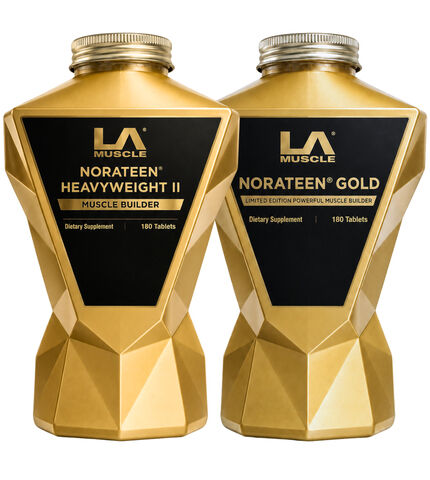
Norateen Heavyweight II for Testosterone boost and muscle gains
-
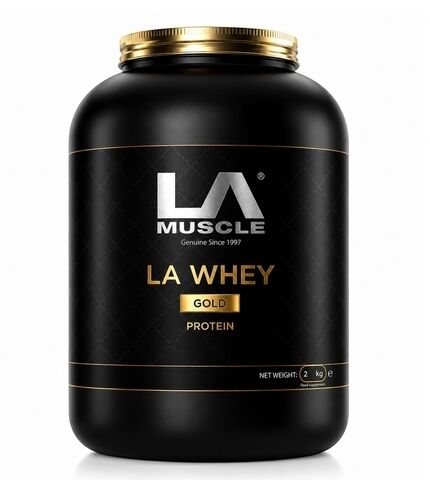
LA Whey Gold protein
-
Omega-3s
-
Magnesium glycinate
-
Vitamin D (seasonally)
-
Electrolytes
7. His Real Secret: Identity
James doesn’t rely on motivation. He operates from identity. He sleeps like an athlete. Eats like an athlete. Trains like an athlete. Recovers like an athlete. Because that’s who he believes he is. “There’s no finish line. I’m building the body that carries me into my 70s.”
Getting in your best shape at 50 isn’t about doing more. It’s about doing what actually works — consistently. Train intelligently. Recover aggressively. Eat for performance and longevity. Control stress. Play the long game. Your strongest decade might still be ahead.





Fat Buster
4 weight loss supplements in one! Risk-free results

Gamer Pro Elite
50 days of Focus, Mental Energy, Motivation, Concentration