SIGN IN
 REGISTER


The Knowledge > Exclusive Articles >
Monday, 16th February 2026
20 Powerful Ways to Overcome Dating Anxiety
By LA Muscle on 16.02.2026 10:51 am



Dating anxiety is far more common than most people admit. The nervous anticipation before a date, the racing thoughts after sending a message, the fear of saying the wrong thing or being judged — these experiences affect people of all ages, backgrounds, and confidence levels.
Dating anxiety is not a sign of weakness. It is a nervous system response to uncertainty, vulnerability, and perceived risk. The good news is that anxiety can be understood, managed, and gradually reduced. With the right mindset shifts and practical strategies, dating can become less stressful and even enjoyable.
Below are 20 powerful ways to help with dating anxiety, organised into mindset, emotional regulation, behaviour, and long-term confidence building.
1. Understand That Dating Anxiety Is Normal
Dating puts us in a vulnerable position. We’re being seen, evaluated, and emotionally exposed. Your brain interprets this as a potential threat, triggering anxiety. Remind yourself: Anxiety is a response, not a flaw. Most people you date are nervous too — even if they hide it well.
2. Stop Assuming You’re Being Judged Harshly
An anxious mind exaggerates scrutiny. You might believe every pause, glance, or silence means something negative. In reality, most people are focused on themselves — how they’re coming across, what to say next, whether they’re liked. When you catch yourself imagining criticism, gently return to the present moment.
3. Shift From “Do They Like Me?” to “Do I Like Them?”
This is one of the most powerful mindset changes. Dating anxiety thrives when you put the other person on a pedestal. Instead of auditioning for approval, treat the date as a mutual discovery. You are not there to impress — you are there to explore compatibility.
4. Detach Your Self-Worth From the Outcome
One date does not define your attractiveness, value, or future. Rejection is not a verdict on you as a person — it simply means fit wasn’t right. Practice saying: “This experience doesn’t decide my worth. It’s just information.”
5. Slow Your Breathing Before and During Dates
Anxiety lives in the body. Slow, deep breathing tells your nervous system that you are safe. Before a date, try:
-
Inhale for 4 seconds
-
Hold for 2
-
Exhale for 6
Repeat for 2–3 minutes. You can subtly return to this during the date if anxiety rises.
6. Accept Nervous Feelings Instead of Fighting Them
Trying to “get rid” of anxiety often makes it worse. Instead, acknowledge it: “I feel nervous — and that’s okay.” Anxiety loses power when it’s allowed to exist without resistance.
7. Prepare Light Structure, Not Scripts
It helps to have a few general topics in mind (interests, travel, hobbies), but memorised scripts increase pressure. Aim for curiosity, not performance. Genuine interest creates connection far more than perfect words.
8. Ground Yourself in the Present Moment
Dating anxiety often pulls you into the future (“What if this goes badly?”) or the past (“I always mess this up”). Bring your attention to:
-
The sound of their voice
-
The feel of your feet on the floor
-
The temperature of the room
Presence calms anxiety.
9. Limit Pre-Date Overthinking
Overanalysing messages, outfits, or scenarios fuels anxiety. Set boundaries with your thoughts:
-
Decide on an outfit, then stop revisiting it
-
Respond to messages naturally, not perfectly
-
Avoid replaying imaginary conversations
Done is better than perfect.
10. Reduce the Stakes of Early Dates
Think of early dates as conversations, not auditions or relationship tests. Short coffee dates, walks, or casual meet-ups reduce pressure and allow anxiety to settle naturally.
11. Challenge Catastrophic Thinking
Ask yourself:
-
What’s the worst realistic outcome?
-
Could I handle it?
-
What’s a more balanced explanation?
Most feared outcomes are uncomfortable — not dangerous.
12. Be Honest About Nervousness (When Appropriate)
You don’t need to announce anxiety immediately, but gentle honesty can be disarming. A simple: “I’m a bit nervous — first dates always do that to me,” often creates warmth and connection.
13. Focus on Listening Instead of Performing
Anxiety increases when you monitor yourself constantly. Shift attention outward:
-
Listen fully
-
Ask follow-up questions
-
Respond naturally
Connection happens when attention flows outward, not inward.
14. Limit Alcohol as an Anxiety Strategy
Alcohol may temporarily reduce nerves but increases anxiety later and weakens self-trust. Learning to cope without it builds genuine confidence.
15. Build Confidence Outside of Dating
Confidence in dating grows from confidence in life. Invest time in:
-
Physical health
-
Purposeful work
-
Hobbies and interests
-
Supportive friendships
Dating anxiety shrinks when your identity expands.
16. Practise Exposure Gently and Consistently
Avoidance keeps anxiety alive. Small, regular steps — messaging, meeting, socialising — teach your nervous system that dating is survivable. Confidence grows through repetition, not perfection.
17. Reframe Rejection as Redirection
Not every connection is meant to continue. Rejection is not failure — it’s feedback. Each experience clarifies what you want and what works for you.
18. Be Kind to Yourself After Dates
Avoid harsh self-criticism or replaying mistakes. Instead, ask:
-
What went reasonably well?
-
What did I learn?
-
What would I do slightly differently next time?
Growth happens through reflection, not punishment.
19. Strengthen Emotional Regulation Skills
Practices like mindfulness, journalling, breathwork, or therapy help regulate anxiety beyond dating. The calmer your nervous system becomes overall, the easier dating feels.
20. Remember: Connection Comes From Authenticity, Not Perfection
People connect with warmth, presence, and honesty — not flawless delivery. Your quirks, pauses, and imperfections are not liabilities. They’re signals of humanity. The right person doesn’t require you to be less anxious — just more yourself.
Dating anxiety doesn’t mean you’re broken or incapable of love. It means you’re human, sensitive, and invested in connection. With patience, self-compassion, and practice, dating can shift from something you endure to something you genuinely enjoy. Progress isn’t measured by the absence of anxiety — it’s measured by your willingness to show up anyway. Remember, higher Testosterone levels can help with confidence. Take something like Male Boost or Norateen Extreme (men and women).






Norateen Gold
Expensive next-level ingredients in an award-winning formula, 100% guaranteed gains
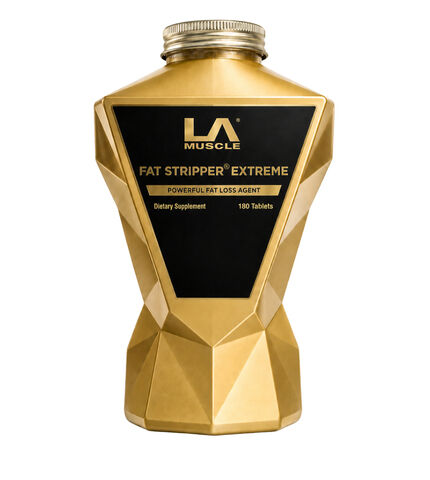
Fat Stripper Extreme
2 month supply of advanced 6-ingredient fat burner