SIGN IN
 REGISTER


The Knowledge > How To Build Muscle >
Tuesday, 3rd February 2026
How Powerlifters Use the 1-Rep Max to Get Stronger
By LA Muscle on 03.02.2026 02:10 pm


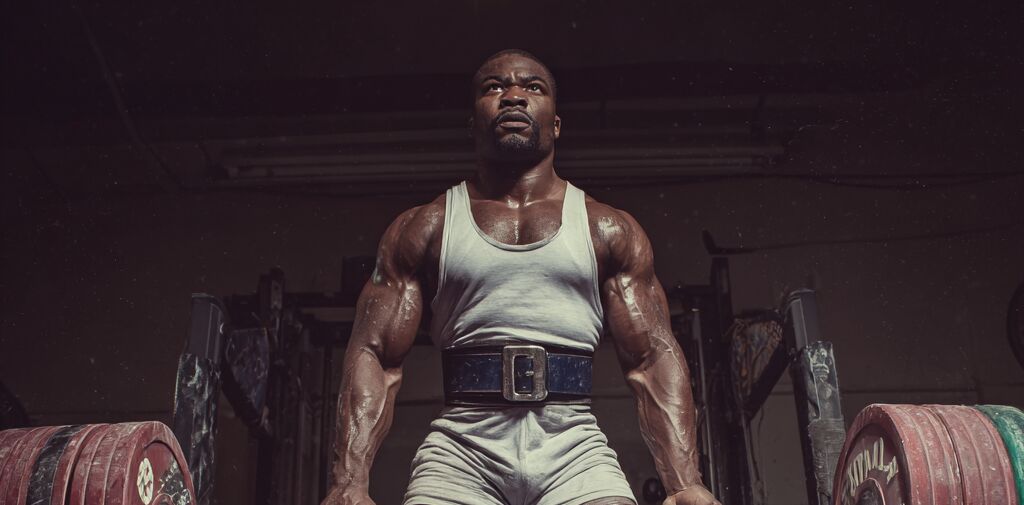
To the untrained eye, powerlifting looks simple. Lift the heaviest weight possible for one repetition and repeat that process until you are strong. In reality, experienced powerlifters almost never train at their true one-rep max. Yet their entire training system is built around it. The one-rep max is not an ego test. It is a planning tool, a calibration point, and a way to organise stress so strength can actually increase. Understanding this distinction is what separates lifters who progress for years from those who stall, burn out, or get injured.
What the 1-Rep Max Really Represents
A true one-rep max is the maximum load you can lift once with perfect, competition-legal form.
For powerlifters, it serves three main purposes.
It measures current strength.
It sets training intensities.
It tracks long-term progress.
What it is not used for is day-to-day training. Treating the one-rep max as something to constantly test leads to excessive fatigue and very little improvement. Powerlifters use the one-rep max as a reference point, not as a destination.
Why Constant Maxing Out Makes You Weaker
Maximal lifts place extreme stress on the nervous system, joints, and connective tissue. They require high psychological arousal and long recovery periods. When lifters attempt true maxes too frequently, several things happen. Technique breaks down. Recovery slows. Injuries become more likely. Strength gains plateau. Strength is not built during a max attempt. It is revealed there. This is why most progress in powerlifting occurs well below maximal loads.
Training by Percentages Instead of Guesswork
Once a lifter knows their approximate one-rep max, training becomes precise. Different intensity ranges serve different purposes. Lighter loads allow technical refinement and speed development. Moderate loads build muscle and reinforce movement patterns. Heavier submaximal loads improve neural efficiency and confidence under weight. Because the load is planned relative to the one-rep max, each session delivers the intended stimulus without unnecessary fatigue. This structure is what allows powerlifters to train consistently year after year.
How Submaximal Lifting Builds Maximal Strength
The paradox of powerlifting is that lifting slightly less than your maximum, repeatedly and with control, builds more strength than constantly testing your limit. Submaximal work allows lifters to accumulate high-quality repetitions with good bar speed and stable technique. The nervous system learns to recruit muscle efficiently without being overwhelmed. Over time, this raises the ceiling of what the body is capable of expressing. When the max is finally tested, it feels familiar rather than chaotic.
The Strategic Use of Heavy Singles
Powerlifters do use heavy single repetitions, but these are not true max attempts. These singles are performed at challenging but manageable weights. They move cleanly, without grinding, hesitation, or form breakdown.
The purpose is to practice lifting heavy weight calmly and efficiently.
They reinforce confidence.
They sharpen technique under load.
They train neural output without excessive fatigue.
This is rehearsal, not performance.
Estimated One-Rep Max as a Smarter Metric
Rather than chasing constant personal records, many powerlifters track estimated one-rep max values. If a lifter can perform more repetitions at a given weight or move the same weight faster with better control, their estimated max has increased even if they have not tested it. This approach keeps progress measurable without the cost of repeated max attempts. Strength improves quietly long before it is officially tested.
Why Beginners Stall by Chasing Maxes
Less experienced lifters often associate progress with adrenaline and heavy singles. Each session becomes a test instead of training. This leads to inconsistent performance, poor recovery, and slow long-term gains. Powerlifters think differently. They prioritise volume, consistency, and recovery. Maximal strength is treated as an outcome of good training, not the goal of every session. The difference is patience.
The Peaking Phase and When the 1-Rep Max Matters
The one-rep max becomes truly relevant during a peaking phase, usually several weeks before competition. Training volume is reduced. Intensity increases. Fatigue drops. The nervous system becomes primed to express strength. This is why lifters often hit personal records that feel unexpectedly easy. The strength was built months earlier and simply revealed at the right moment.
The Real Lesson of the 1-Rep Max
Powerlifters do not worship the one-rep max. They respect it. It is a tool for planning, not proof of worth. Used intelligently, it allows lifters to train hard without burning out and to peak when it matters most. The strongest lifters in the room are rarely the ones constantly testing their limits. They are the ones quietly preparing for them.







Norateen Nitro
Testosterone muscle builder AND Nitric Oxide booster

Vasculator
WINNER: Men's Health Supplements Awards. Instant Muscle Pumps!