SIGN IN
 REGISTER


The Knowledge > How To Lose Fat >
Monday, 22nd December 2025
10 common Christmas mistakes that lead to weight gain
By LA Muscle on 22.12.2025 03:53 pm



Christmas is meant to be enjoyed, but for many people it quietly sets the stage for weight gain that lingers well into the New Year. The issue isn’t one big blow-out meal; it’s a cluster of small, repeated habits that add up over several weeks. Below are the ten most common Christmas weight-gain traps, why they matter, and what to do instead.
1. Treating Christmas as a “free-for-all” season
The mistake
Many people mentally write off the entire period from early December to New Year’s Day, assuming it’s normal to abandon all structure.
Why it causes weight gain
Two to three weeks of daily excess is enough to reset appetite cues and hormone sensitivity, making weight harder to shift afterwards.
Do this instead
Think “planned flexibility.” Choose specific meals or events to enjoy fully, and keep normal eating on ordinary days in between.
2. Constant grazing instead of real meals
The mistake
Picking at chocolates, biscuits, cheese and crisps throughout the day, often without sitting down to eat.
Why it causes weight gain
Grazing bypasses satiety signals and leads to far higher calorie intake than people realise.
Do this instead
Eat proper meals with protein, vegetables and fibre. If treats are on the menu, have them after a meal, not in isolation.
3. Drinking calories without noticing
The mistake
Mulled wine, Baileys, cocktails and prosecco become “background drinks” rather than conscious choices.
Why it causes weight gain
Liquid calories don’t trigger fullness and alcohol lowers dietary restraint, leading to overeating.
Do this instead
Set drink limits in advance, alternate with water, and choose a few occasions where you drink rather than drinking every day.
4. Skipping meals to “save calories”
The mistake
Missing breakfast or lunch to compensate for a big dinner later.
Why it causes weight gain
This often backfires, increasing hunger hormones and leading to overeating at night.
Do this instead
Eat balanced meals earlier in the day. Arriving at a festive meal calmly hungry—not ravenous—makes portion control much easier.
5. Overeating leftovers for days on end
The mistake
Continuing to eat rich leftovers long after Christmas Day “so they don’t go to waste”.
Why it causes weight gain
Repeated exposure to calorie-dense foods keeps sugar hormones elevated and reinforces cravings.
Do this instead
Freeze portions, give food away, or deliberately switch back to lighter meals the following day.
6. Neglecting protein
The mistake
Meals dominated by carbs and fats, with very little protein.
Why it causes weight gain
Protein is key for satiety and muscle preservation. Low protein intake increases snacking and slows metabolism.
Do this instead
Build each meal around a clear protein source—turkey, fish, eggs, yoghurt, legumes—then add everything else around it.
7. Moving far less than usual
The mistake
Gyms close, routines stop, and daily step counts quietly collapse.
Why it causes weight gain
Reduced movement lowers calorie burn and worsens hormone sensitivity, especially when food intake rises.
Do this instead
Anchor your day with non-negotiable movement: walks, home workouts, or short activity breaks. Consistency matters more than intensity.
8. Poor sleep and late nights
The mistake
Late nights, disrupted sleep, and irregular schedules.
Why it causes weight gain
Sleep deprivation increases hunger hormones and cravings for sugary, high-fat foods.
Do this instead
Protect sleep where possible. Even one or two early nights per week can make a noticeable difference.
9. “I’ll fix it in January” thinking
The mistake
Assuming damage can be undone easily after the holidays.
Why it causes weight gain
Weight gained rapidly is often harder to lose due to hormonal and metabolic changes.
Do this instead
Apply gentle course-correction now. Small actions during December reduce the size of the problem in January.
10. All-or-nothing mindset
The mistake
Believing that one indulgence means the day (or week) is “ruined”.
Why it causes weight gain
This mindset turns small slips into sustained overeating.
Do this instead
Adopt a “next decision” mentality. One meal doesn’t define your progress; the next choice matters more.
Christmas weight gain is rarely about one day—it’s about loss of structure, unconscious eating, and disrupted routines. The solution isn’t restriction or guilt, but awareness, planning, and consistency.
Enjoy the season. Eat the foods you love. But keep just enough structure that January feels like a continuation, not a recovery mission.







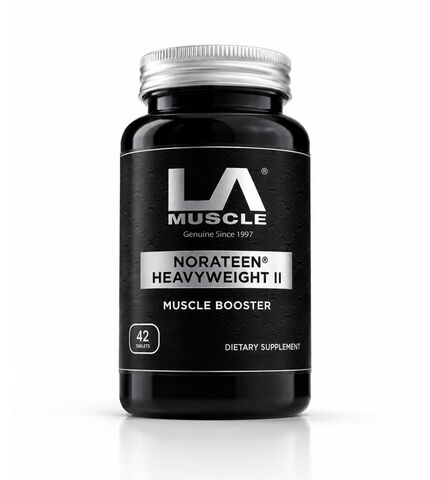
Norateen Heavyweight II
Voted No.1: Men's Health BBC/ SKY TV. No side effects, full guarantee

Vasculator EXTREME
2 months' supply of very powerful gym muscle pills