SIGN IN
 REGISTER


The Knowledge > Better Health >
Saturday, 27th June 2026
Which European Countries Have the Best Tap Water?
By LA Muscle on 27.06.2026 12:58 pm



Water is the single most important nutrient for human life. Around 60% of the adult human body is made up of water, and every organ depends on it to function properly. While many people focus on drinking enough water each day, the quality of that water is just as important as the quantity.
Fortunately, Europe has some of the highest drinking water standards in the world. Strict regulations, continuous testing and advanced treatment technologies mean that millions of people enjoy safe tap water every day. However, not all European tap water is equal. Natural water sources, mineral content, ageing infrastructure, environmental pollution and local treatment methods all influence the quality, taste and composition of drinking water.
So, which European countries have the best tap water—and where does the United Kingdom rank?
How Is Drinking Water Regulated?
Most European countries operate under some of the strictest drinking water regulations in the world. Water suppliers are required to monitor hundreds of quality indicators, including:
- Bacteria such as E. coli
- Viruses and parasites
- Lead and other heavy metals
- Arsenic
- Nitrates
- Pesticides
- Industrial pollutants
- PFAS ("forever chemicals")
- Chlorination by-products
- Turbidity and water clarity
Water is tested regularly from source to tap to ensure it remains safe for consumption.
Europe's Best Tap Water
1. Iceland
Often regarded as having the purest tap water anywhere in Europe—and by many experts, the world.
Iceland's water comes almost entirely from protected underground volcanic aquifers and glacial meltwater that has been naturally filtered through layers of lava rock over decades.
Advantages include:
- Virtually no industrial pollution
- Exceptionally low agricultural contamination
- Naturally mineral-rich
- Minimal treatment required
- Outstanding taste
Many Icelanders drink directly from the tap without any filtration.
2. Norway
Norway consistently ranks among the world's cleanest drinking water systems. Its water comes largely from mountain lakes and protected reservoirs, with extremely low pollution levels.
Benefits include:
- Protected mountain catchments
- Low population density
- Excellent environmental protection
- Minimal chemical treatment
3. Finland
Finland has thousands of pristine lakes and protected groundwater aquifers.
Its drinking water is renowned for:
- Exceptional purity
- Low pollution
- Advanced monitoring
- Excellent natural mineral balance
Finnish tap water has won numerous international taste awards.
4. Switzerland
Switzerland sources most of its drinking water from Alpine springs, glaciers and underground aquifers. Around 80% comes from groundwater and natural springs.
Advantages include:
- Crystal-clear mountain water
- Continuous testing
- Naturally balanced minerals
- Very little treatment required
5. Austria
Austria enjoys some of Europe's finest mountain water. Vienna, in particular, is famous for receiving untreated spring water that travels naturally via gravity from protected Alpine springs over 100 kilometres away.
6. Scotland (United Kingdom)
Scotland is frequently recognised as having some of the best tap water in the United Kingdom and Europe. Its abundant rainfall, mountain reservoirs and relatively low industrial contamination produce exceptionally fresh, soft water. Many visitors describe Scottish tap water as among the best-tasting in the world.
Advantages include:
- Mountain reservoirs
- Naturally soft water
- Low pollution
- Excellent taste
7. Sweden
Sweden combines protected forests, deep lakes and advanced water treatment to provide consistently excellent drinking water.
Benefits include:
- Extensive protected catchments
- High-quality infrastructure
- Low contamination levels
- Excellent environmental management
8. Denmark
Denmark relies heavily on protected groundwater.
The country is known for:
- Strict pesticide regulations
- Intensive groundwater monitoring
- High-quality drinking water nationwide
9. Germany
Germany operates one of the world's most comprehensive drinking water monitoring systems. German tap water is often tested more frequently than bottled water. Some regions have naturally hard water due to limestone geology, but this has little effect on safety.
10. The Rest of the United Kingdom (England, Wales and Northern Ireland)
The UK as a whole consistently ranks among Europe's safest countries for tap water.
Drinking water across England, Wales and Northern Ireland undergoes rigorous testing and generally meets extremely high safety standards.
Water quality varies geographically.
Northern areas generally have softer water because supplies come from upland reservoirs.
Southern England often has hard water because groundwater passes through chalk and limestone before reaching treatment plants.
Hard water is perfectly safe to drink and naturally contains beneficial calcium and magnesium, although it can leave limescale in kettles and plumbing.
Countries Where Water Quality Can Vary
These countries generally have safe public drinking water but can show greater regional differences:
- Spain
- Portugal
- Italy
- Greece
- Croatia
- Romania
- Bulgaria
Factors affecting local water quality include:
- Older pipe networks
- Seasonal tourist demand
- Hard water
- Agricultural runoff
- Local geology
- Drought conditions
Although the water is usually safe, taste and mineral content may vary considerably between regions.
Hard Water vs Soft Water
Neither is healthier than the other.
Hard Water
Contains higher concentrations of:
- Calcium
- Magnesium
Potential advantages include:
- Useful source of dietary minerals
- May contribute to bone health
- Some studies suggest a possible association with lower cardiovascular disease risk
Possible disadvantages include:
- Limescale
- Dry skin
- Reduced soap lather
- Appliance scaling
Soft Water
Contains fewer dissolved minerals.
Advantages include:
- Better for washing
- Softer hair and skin
- Less scaling of household appliances
Disadvantages:
- Slightly lower mineral intake
- Can be more corrosive to older plumbing systems
What Happens If You Drink Poor-Quality Water?
If water becomes contaminated, the health effects depend entirely on the type and amount of contamination.
Short-Term Effects
Gastrointestinal IllnessContaminated water can contain harmful bacteria, viruses or parasites.
Symptoms include:
- Diarrhoea
- Vomiting
- Abdominal cramps
- Fever
- Dehydration
Common organisms include:
- E. coli
- Campylobacter
- Salmonella
- Giardia
- Cryptosporidium
Unsafe water used during food preparation can spread infection.
DehydrationSevere diarrhoea caused by contaminated water can quickly lead to dangerous dehydration, particularly in children and older adults.
Long-Term Effects of Drinking Poor Water
Heavy Metals
Long-term exposure to heavy metals such as lead, arsenic, cadmium or mercury may contribute to:
- Kidney damage
- Nervous system disorders
- Developmental problems in children
- High blood pressure
- Increased risk of certain cancers
Excess Nitrates
Usually linked to agricultural fertilisers.
High nitrate levels are particularly dangerous for infants because they can interfere with oxygen transport in the blood, causing a condition sometimes known as "blue baby syndrome."
Pesticides
Although modern treatment removes most pesticide residues, persistent contamination remains a concern in some agricultural regions. Long-term exposure to elevated levels of certain pesticides has been associated with increased health risks.
PFAS ("Forever Chemicals")
PFAS are man-made chemicals that break down extremely slowly.
Research continues into their long-term health effects, which may include:
- Raised cholesterol
- Reduced immune response
- Thyroid dysfunction
- Certain cancers
Many European countries are now introducing even stricter limits for PFAS in drinking water.
Is Bottled Water Better?
Not necessarily.
Many bottled waters come from similar groundwater sources as municipal tap water.
In some cases, high-quality tap water actually contains more beneficial minerals than bottled water.
Potential disadvantages of bottled water include:
- Greater environmental impact
- Plastic waste
- Higher cost
- Possible microplastic contamination
Should You Use a Water Filter?
Most people living in Europe do not need to filter their tap water for safety.
However, filtration may be useful if:
- Your home has very old plumbing
- Lead pipes are present
- You dislike chlorine taste
- Your water is extremely hard
- You use a private well
- Local testing identifies specific contaminants
Always replace filter cartridges according to the manufacturer's instructions, as neglected filters can become a source of bacterial growth.
Tips for Drinking the Best Water
- Drink fresh tap water where public supplies are known to be safe.
- Run the tap briefly if it has not been used for several hours, especially in older buildings.
- Clean reusable water bottles regularly.
- Replace water filter cartridges on schedule.
- Avoid drinking untreated water from streams or private wells unless it has been properly tested or purified.
- If your tap water develops an unusual taste, smell or colour, contact your local water supplier before drinking it.
Europe enjoys some of the safest drinking water anywhere in the world. Iceland, Norway, Finland, Switzerland, Austria and Scotland are widely regarded as having the highest-quality tap water thanks to pristine natural sources, excellent environmental protection and rigorous testing.
The United Kingdom also performs exceptionally well. Tap water throughout England, Scotland, Wales and Northern Ireland is among the safest globally, with strict monitoring and quality standards. Scotland is particularly renowned for its naturally soft, fresh-tasting water, while southern England's harder water provides higher levels of calcium and magnesium.
For the vast majority of people, tap water is a healthy, affordable and environmentally responsible choice. The greatest risks arise not from well-managed public water supplies, but from contaminated private wells, ageing household plumbing or untreated natural water sources. Drinking plenty of clean, high-quality water remains one of the simplest and most effective ways to support long-term health and wellbeing.






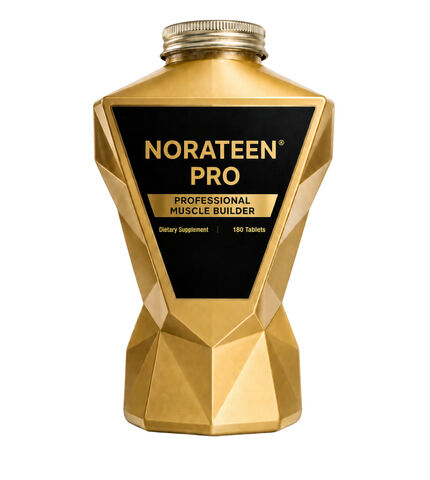
Norateen PRO
New Extreme PRO Level Muscle & Strength Builder
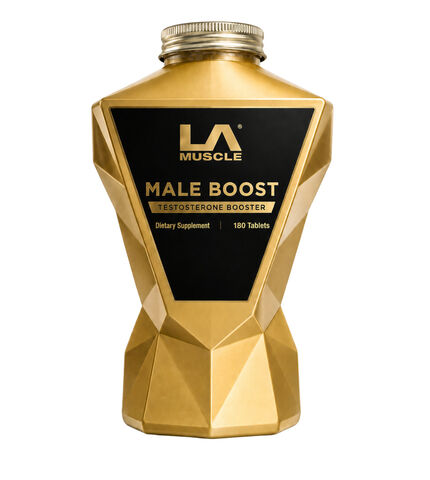
Male Boost
Testo booster to get you strong, lean, increase your confidence and libido