SIGN IN
 REGISTER


The Knowledge > Exclusive Articles >
Monday, 29th June 2026
10 Older People Who Started in the Gym and Achieved Incredible Results
By LA Muscle on 29.06.2026 11:46 am


1. Ernestine Shepherd – Started Serious Bodybuilding at 56
When Ernestine Shepherd was approaching her mid-fifties, she simply wanted to become healthier after her sister suggested they improve their fitness together. What began as casual exercise soon became a passion for strength training. She committed herself to disciplined workouts, cardiovascular training, and careful nutrition. By the age of 74 she had earned recognition as one of the world's oldest competitive female bodybuilders. Today she continues to inspire millions by proving that age does not prevent dramatic improvements in strength, physique and overall wellbeing.
Why she started
- Wanted better health
- Wanted to honour her late sister's memory
- Desired to inspire older adults
Key lesson
Consistency over decades beats short bursts of motivation.
2. Jim Arrington – Bodybuilding Into His 80s
Jim Arrington first began lifting weights as a teenager because he was extremely thin and frequently bullied. However, his greatest achievements came much later in life. Rather than retiring from the gym, he continued training into his seventies and eighties, competing successfully against much younger athletes. His longevity demonstrates that resistance training can remain a lifelong pursuit.
Why he kept training
- Maintain independence
- Stay competitive
- Continue improving despite age
Key lesson
Muscle can be preserved far longer than many people believe.
3. Charles Eugster – Started Intensive Fitness in His 80s
Charles Eugster did not become serious about strength training until his eighties. A retired dentist, he became concerned that many elderly people accepted weakness as inevitable. He began resistance training and sprinting. By his nineties he was setting Masters athletics records and promoting the importance of muscle-building for healthy ageing.
Why he started
- Fight age-related muscle loss
- Improve independence
- Challenge stereotypes about ageing
Key lesson
It is never too late to build muscle.
4. Willie Murphy – Began Powerlifting in Her Late 40s
Willie Murphy only discovered competitive strength sports after middle age. She eventually became one of America's strongest older women, deadlifting well over twice her own body weight and winning numerous world championships in Masters competition. She famously attracted worldwide attention after successfully fighting off a burglar in her eighties.
Why she started
- Wanted to become stronger
- Enjoyed competition
- Valued independence
Key lesson
Strength has real-life benefits far beyond appearance.
5. Johanna Quaas – Gymnastics Into Her 80s
Although Johanna Quaas practised gymnastics when younger, she only became internationally famous later in life after continuing her training into her seventies and eighties. Her flexibility, balance and strength amazed audiences worldwide. She demonstrated that regular physical training preserves mobility remarkably well.
Why she continued
- Love of movement
- Health
- Lifelong enjoyment of exercise
Key lesson
Mobility training is just as important as strength.
6. Tao Porchon-Lynch – Fitness Beyond 90
Tao Porchon-Lynch remained physically active into her nineties and beyond through yoga and resistance exercises. Although best known for yoga, she embraced strength work to maintain muscle and independence. She repeatedly reminded people that ageing begins in the mind before it affects the body.
Why she trained
- Maintain vitality
- Preserve flexibility
- Continue teaching
Key lesson
Positive mindset supports long-term physical health.
7. Raymond Moon – Competitive Bodybuilder After Retirement
Raymond Moon developed a remarkable physique after retirement. He embraced bodybuilding later in life, competing successfully in Masters competitions while demonstrating excellent muscular development into his seventies.
Why he started
- Better health
- New challenge after retirement
- Personal achievement
Key lesson
Retirement can become the beginning of a new athletic career.
8. Joan MacDonald – Life-Changing Transformation at 70
Joan MacDonald began training seriously after concerns about her health. She had high blood pressure, excess weight and relied on medication. With structured resistance training and nutritional changes, she transformed her physique. She became an international inspiration for older women beginning fitness.
Why she started
- Improve health
- Reduce dependence on medication
- Increase confidence
Key lesson
Health improvements can occur surprisingly quickly when exercise and nutrition improve together.
9. Ed Whitlock – Running Success After Middle Age
Ed Whitlock did not become a serious marathon runner until his forties. He went on to become one of history's greatest Masters endurance athletes, setting multiple age-group world records. Although running rather than gym-based training made him famous, he incorporated strength work to support performance.
Why he started
- Personal challenge
- Love of endurance
- Healthy ageing
Key lesson
Endurance performance can remain exceptional for decades.
10. Jacinto Bonilla – Weightlifting Into His 80s
Jacinto Bonilla became one of the world's most respected Masters weightlifters. He demonstrated remarkable strength and athleticism while competing internationally in older age categories. His story highlights the ability of the human body to adapt to resistance training even in advanced years.
Why he trained
- Love of lifting
- Competition
- Staying physically capable
Key lesson
The body responds to progressive overload throughout life.
What Science Says About Starting the Gym Later in Life
Modern research strongly supports resistance training for older adults. Regular strength training can:
- Increase muscle mass and strength, helping to counter age-related muscle loss (sarcopenia).
- Improve bone density, reducing the risk of osteoporosis and fractures.
- Enhance balance and coordination, lowering the likelihood of falls.
- Improve hormone sensitivity and metabolic health.
- Reduce blood pressure and improve cardiovascular fitness when combined with aerobic exercise.
- Help maintain independence by making everyday activities easier.
- Improve mood, confidence and overall quality of life.
Contrary to the common myth that older muscles cannot grow, studies consistently show that people in their 60s, 70s, 80s and even 90s can gain significant strength and muscle when following an appropriately designed resistance-training programme.
Why These People Succeeded
Although each person's journey was different, several common factors stand out:
- They started with a clear reason, whether health, confidence, competition or independence.
- They trained consistently rather than relying on occasional bursts of motivation.
- They progressed gradually, increasing weights or difficulty over time.
- They paid attention to nutrition, particularly adequate protein intake.
- They viewed fitness as a long-term lifestyle rather than a short-term challenge.
- They refused to let age define what they were capable of achieving.
These ten remarkable individuals demonstrate that the human body remains adaptable throughout life. While older adults may not build muscle quite as rapidly as younger people, they can still achieve dramatic improvements in strength, body composition, mobility and overall health.
The greatest obstacle is rarely age itself—it is believing that change is no longer possible. Whether you are 50, 60, 70 or even older, the first workout can be the beginning of a healthier, stronger and more independent future. Combined with sensible nutrition, adequate recovery and progressive resistance training, starting the gym later in life may become one of the most rewarding decisions you ever make.





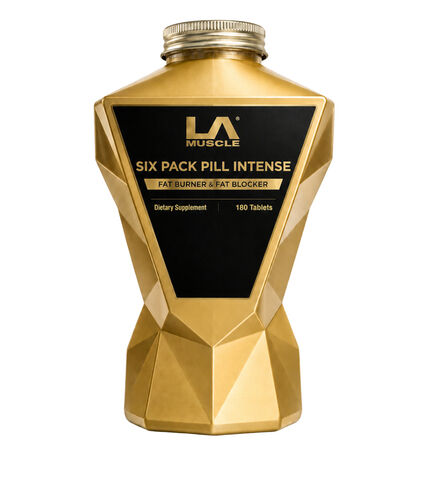
Six Pack Pill® Intense
Rapid six-pack formula dual-action fat burner AND fat blocker
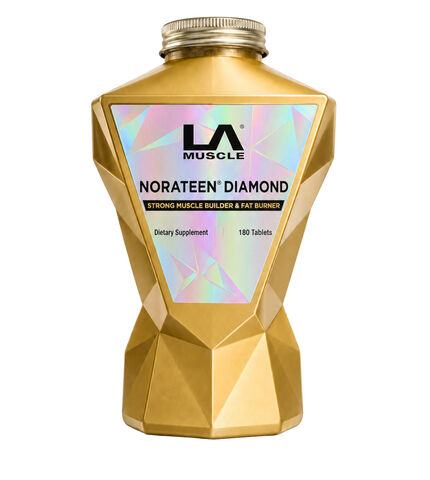
Norateen Diamond
Build Muscle AND Lose Weight, Diamond Cuts