SIGN IN
 REGISTER


The Knowledge > Exclusive Articles >
Wednesday, 25th March 2026
How to Become a Personal Trainer (PT)
Definitive Guide
By LA Muscle on 25.03.2026 07:28 pm



1. The Qualifications You Need (Global Overview)
While requirements vary slightly by country, the pathway to becoming a personal trainer is broadly similar worldwide. Most countries follow a two-step structure. An entry-level fitness qualification teaches basic gym instruction, anatomy, and safety. An advanced personal training certification allows you to work one-to-one with clients, design tailored programmes, and operate independently. In many countries, the Level 2 and Level 3 structure used in the UK is equivalent to a single comprehensive certification elsewhere. There is no universal global licence, but recognised certifications are widely transferable across countries.
2. The Most Respected Certifications Worldwide
United Kingdom and Europe
The UK uses a structured qualification system. Recognised awarding bodies include Active IQ and YMCA Awards. These qualifications are widely accepted across Europe and are often recognised internationally.
United States
In the United States, personal trainers typically gain certification through independent organisations rather than government-regulated levels.
Highly respected certifications include:
NASM
Known for its strong focus on corrective exercise and scientific training methods.
ACE
A widely recognised certification with a broad, balanced curriculum.
ISSA
Popular globally, especially for its flexible online learning model.
NSCA
Highly respected, particularly for strength and performance training.
These certifications are recognised not only in the United States but also in many other countries.
Australia
Australia has a nationally structured system similar to the UK.
The main qualifications are:
Certificate III in Fitness, which allows you to work as a gym instructor.
Certificate IV in Fitness, which qualifies you as a personal trainer.
These qualifications are widely recognised within Australia and respected internationally.
International Recognition
Certifications from the UK, USA, and Australia are often accepted globally, especially if they are from well-established organisations. When choosing a course, look for international recognition, strong educational content, and industry acceptance rather than just location.
3. How Long It Takes
The time required depends on your chosen course and study intensity. Fast-track programmes can be completed in as little as 4 to 8 weeks with full-time study. Part-time or online courses typically take between 3 and 6 months. More flexible routes can take up to 12 months. Some advanced certifications, particularly those with a strong scientific focus, may take longer.
4. Cost of Becoming a Personal Trainer
Costs vary depending on the country and provider. In the UK, courses typically range from £1,000 to £3,000. In the United States, certifications usually cost between $400 and $1,500. In Australia, full qualification pathways can range from AUD 1,500 to AUD 5,000. Lower-cost options exist, but quality, support, and recognition are far more important than price alone.
5. Where You Can Work
Once qualified, personal trainers have a wide range of options. You can work employed in gyms, fitness centres, or health clubs. You can operate as a freelance trainer renting space in a gym. You can train clients privately at home, outdoors, or in private studios. You can build an online coaching business and work with clients globally. Many successful trainers combine in-person and online services.
6. How to Get Your First Clients
Getting clients is the most important skill in this profession. Start with your existing network. Friends, family, and acquaintances can become your first clients or refer others. Offer a limited number of free or discounted sessions to build experience, testimonials, and visible results. If you are working in a gym, engage with members, offer guidance, and build relationships consistently. Focus on being visible, approachable, and helpful rather than trying to sell aggressively.
7. How to Promote Yourself
Marketing is essential for success as a personal trainer. Use platforms such as Instagram and TikTok to share content regularly. Post client transformations, educational tips, and insights into your training approach. Use communication tools like WhatsApp to stay connected with clients and leads. Focus your messaging on results rather than exercises. People are interested in outcomes such as fat loss, muscle gain, strength, or confidence. Consistency is more important than perfection.
8. How Much You Can Earn
Income varies significantly based on experience, location, and business model. Beginner trainers may earn the equivalent of £20 to £40 per session. Experienced trainers in major cities can charge £50 to £100 or more per session. In the United States and Australia, similar ranges apply depending on location and demand. Online coaching allows for scalable income, as you can work with more clients without being limited by time or geography. Top trainers who build strong brands and systems can earn six figures or more.
9. How to Stand Out in a Competitive Market
The fitness industry is highly competitive, so differentiation is essential. Choose a niche such as fat loss, muscle building, rehabilitation, or a specific demographic. Develop expertise in that area rather than trying to appeal to everyone. Build authority by sharing knowledge, demonstrating results, and maintaining a consistent presence. Your reputation will be built on results and client experience.
10. Common Mistakes to Avoid
Relying on qualifications alone without developing marketing and business skills. Underpricing services for too long, which can attract low-quality clients. Trying to copy others instead of developing your own style and positioning. Neglecting communication and client relationships. Failing to treat personal training as a business. Becoming a personal trainer is one of the most accessible careers globally, with relatively low barriers to entry and flexible working opportunities. However, long-term success depends on more than just certification. The most successful trainers combine fitness knowledge with strong business skills, marketing ability, and a clear personal brand. With the right approach, personal training can become a highly rewarding and scalable career anywhere in the world.






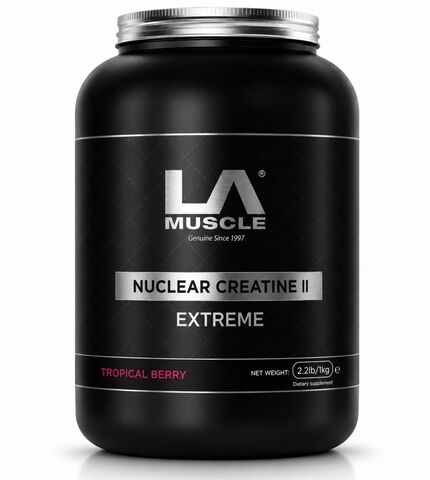
Nuclear Creatine II Extreme
World's Strongest Testosterone Creatine Formula
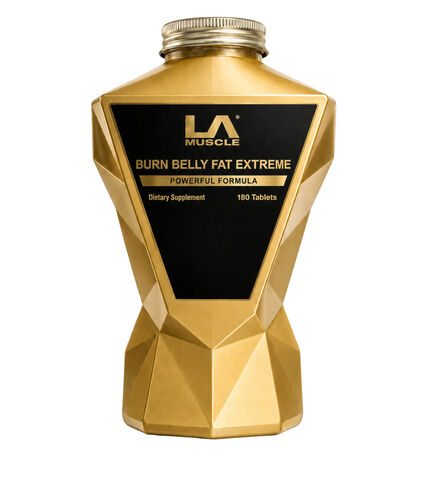
Burn Belly Fat EXTREME
Next level extreme belly fat burner