SIGN IN
 REGISTER


The Knowledge > Exclusive Articles >
Thursday, 1st October 2026
How to Avoid “Man Boobs”
The Truth About Gynaecomastia
By LA Muscle on 01.10.2026 04:24 pm


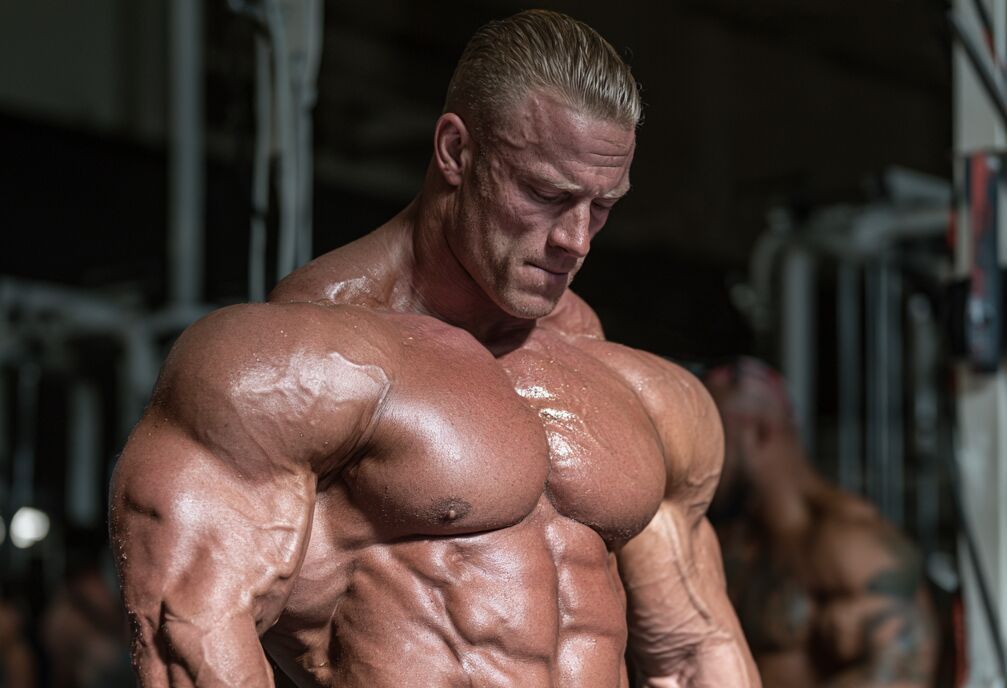
For a man who has worked hard to build a muscular, defined physique, few things can spoil the appearance of the chest more than enlarged or puffy breast tissue. Commonly called “man boobs”, true gynaecomastia is an increase in male breast gland tissue. However, there is an important distinction: sometimes what looks like gynaecomastia is actually excess chest fat, known as pseudogynaecomastia. The two can look remarkably similar, but the best way to deal with them can be very different.
Why Do Men Develop Gynaecomastia?
Male breast tissue is influenced by the balance between androgen and oestrogen activity. Gynaecomastia can develop when that balance shifts sufficiently towards oestrogenic activity. This doesn't necessarily mean that a man's oestrogen level is simply “too high”; reduced testosterone activity can also alter the balance. It is particularly common during puberty and later life, but other recognised causes include obesity, certain medicines, anabolic steroid use and medical conditions affecting the thyroid, liver, kidneys or testosterone production.
1. Think Very Carefully About Anabolic Steroids
For bodybuilders, this is one of the most important risk factors to understand. Ironically, anabolic steroids used to produce a bigger, harder physique can contribute to gynaecomastia. Some anabolic steroids can be converted into oestrogenic compounds in the body, while steroid use can also disrupt the body's normal hormonal regulation. This is another reason why attempting to build your physique through intelligent training, nutrition, recovery and legal sports supplementation is a more sustainable approach than experimenting with anabolic drugs.
2. Keep Body Fat Under Control
This can make an enormous visual difference. If the enlargement is predominantly fat rather than glandular breast tissue, reducing overall body fat can substantially improve the appearance of the chest. You cannot selectively burn fat from your nipples or lower chest, but reducing total body fat can reduce the amount stored around the chest. Being overweight can also make existing glandular gynaecomastia look considerably more pronounced.
For someone trying to reveal a muscular chest, concentrate on a sustainable calorie deficit, plenty of protein, regular resistance training, sufficient daily activity and consistency rather than crash dieting. As body fat comes down, the chest will usually become tighter and more defined if excess fat is a significant part of the problem.
3. Build the Chest — But Understand What Training Can and Cannot Do
Training your chest won't remove genuine glandular gynaecomastia. However, developing the pectoral muscles while reducing overall body fat can dramatically improve the proportions and appearance of the chest, particularly where excess fat is the main issue. Build your programme around incline presses, flat bench presses, weighted dips, dumbbell presses, cable flyes and push-ups.
Pay particular attention to developing the upper chest. A thicker upper pectoral area can create a squarer, more powerful-looking chest rather than allowing all the visual emphasis to fall around the lower pec and nipple. But don't fall for the myth that doing hundreds of chest exercises somehow “burns off” gland tissue. Muscle, fat and glandular tissue are different things.
4. Get Lean Before Deciding How Bad It Really Is
This is particularly relevant to bodybuilders. A chest that looks like it has obvious “man boobs” at a higher body-fat percentage can look completely different after a significant reduction in overall body fat. If your waist is carrying substantial fat as well as your chest, getting leaner is a sensible first step.
If your abdomen becomes lean and defined yet you still have a conspicuous firm or puffy area directly behind the nipple, genuine gynaecomastia becomes more plausible. A medical examination can establish whether the enlargement is predominantly fat, glandular tissue or a combination of the two.
5. Look at Medicines and Other Possible Causes
A surprisingly wide range of medicines and substances have been associated with gynaecomastia, including some anti-androgen drugs, spironolactone, finasteride, certain heart and psychiatric medicines, opioids and anabolic steroids. Alcohol and some recreational drugs can also be associated with it.
That doesn't mean stopping prescribed medication yourself. If gynaecomastia appears after beginning a medicine, discuss it with your doctor. They can determine whether there could be a connection and whether an alternative is appropriate.
Already Got Gynaecomastia? Can You Reduce It?
This is where the distinction between fat and gland tissue becomes crucial. If it is primarily chest fat, losing body fat can make a major difference. Combine sensible dieting with resistance training and gradually bring your body-fat percentage down. As the waist gets tighter and overall definition increases, you should get a much clearer idea of how much of the chest enlargement was simply stored fat.
If it is genuine gynaecomastia, particularly if it is relatively new, addressing the underlying cause can sometimes allow it to regress. Some cases, particularly those associated with puberty, resolve spontaneously. Persistent gynaecomastia is different because established glandular tissue cannot simply be “burned away” through dieting or chest exercises.
There are prescription treatments that doctors sometimes use for selected cases, particularly when gynaecomastia is relatively recent or painful. These aren't drugs that should be self-prescribed by bodybuilders, and whether they are appropriate depends on the individual and the cause of the gynaecomastia.
What About Surgery?
For established glandular gynaecomastia that persists despite addressing its cause, surgery is another option. Liposuction can remove excess fat, while surgical excision can remove glandular breast tissue. In some cases the two approaches are combined to produce a flatter and more natural-looking male chest.
This is why establishing whether the problem is predominantly fat, glandular tissue or a combination of both is so important. Someone with predominantly excess chest fat may achieve a major transformation simply by becoming leaner, whereas someone who is already extremely lean with substantial glandular tissue may see relatively little change from further dieting.
Don't assume every soft or puffy male chest is gynaecomastia. If you're carrying excess body fat, get leaner first. Train the chest hard, particularly the upper pecs, and assess how the chest changes as your overall definition improves. Avoid anabolic steroids, which are a recognised cause of gynaecomastia, and don't assume that endless chest exercises can remove genuine glandular tissue.If you're already lean and have persistent firm swelling beneath the nipple, particularly if it is painful, tender, new or noticeably different on one side, get it properly assessed rather than trying to diet it away. A hard lump, nipple discharge or bleeding, skin dimpling or other unusual breast changes should also be medically assessed.
Ultimately, the goal is not simply to make the chest bigger. Keeping body fat under control, building thick and balanced pectoral muscles and avoiding unnecessary hormonal disruption are the foundations of the hard, square and defined chest most men are trying to achieve.







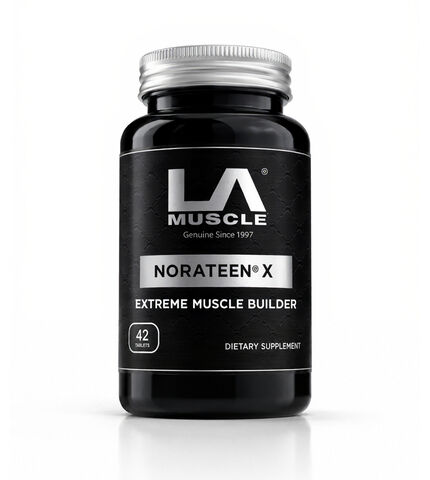
Norateen X
Extremely Strong Norateen - Insane 5kgs muscle gains
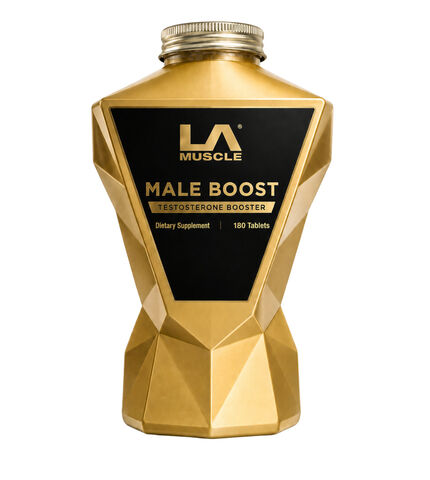
Male Boost
Testo booster to get you strong, lean, increase your confidence and libido