SIGN IN
 REGISTER


The Knowledge > Exclusive Articles >
Tuesday, 10th February 2026
20 Innovative Ways to Beat Fatigue and Tiredness
and Actually Get Yourself to the Gym
By LA Muscle on 10.02.2026 07:07 pm


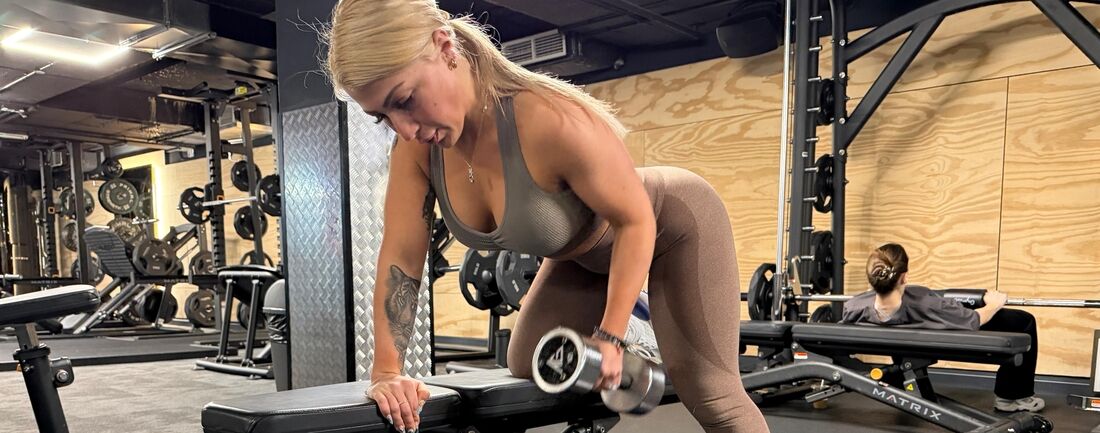
We all know the feeling: you plan to train… and then fatigue whispers convincing excuses. The truth is, tiredness is rarely about a lack of physical ability — it’s usually a mix of mental resistance, nervous-system overload, poor energy management, and outdated routines. Here are 20 innovative, science-backed, and practical ways to beat fatigue and get your body and mind moving — even on the days motivation feels nonexistent.
1. Train Your Nervous System, Not Just Your Muscles
Fatigue often starts in the brain. Try box breathing (4–4–4–4) for 2 minutes before leaving the house. It reduces stress hormones and instantly increases readiness to move.
2. Use the “Minimum Viable Workout” Rule
Tell yourself you’re only going to do 5 minutes. Once you’re there, momentum usually takes over. Removing the pressure removes resistance.
3. Swap Motivation for Identity
Instead of “I need motivation to train”, say:
“I am someone who trains — even when energy is low.”
Identity-based habits outperform motivation every time.
4. Eat for Dopamine, Not Just Calories
Low dopamine = low drive. Foods rich in tyrosine (eggs, turkey, Greek yoghurt, almonds) can improve focus and gym motivation within hours.
5. Use “Pre-Commitment Triggers”
Put your gym clothes on your bed or sleep in your training T-shirt. When the environment decides for you, willpower becomes irrelevant. Put photos of your idols around you.
6. Train at Your Biological Peak (Not the Clock’s)
Some people peak at 6am. Others at 9pm. Track when you feel strongest — not when fitness influencers say you should train.
7. Replace Coffee with Cold Exposure (Sometimes)
A 30–60 second cold shower can spike adrenaline and alertness more effectively than caffeine — without the crash.
8. Use Music as a Neurological Switch
Create a “gym-only” playlist. Over time, your brain associates those sounds with energy, aggression, and movement — an instant mental upgrade.
9. Train Away Fatigue, Not Through It
Light movement increases mitochondrial activity. Even a gentle session can create energy, not drain it. Fatigue often disappears after warm-up.
10. Stop Overtraining Your Life
Poor sleep, constant notifications, late-night scrolling — these drain recovery. The gym isn’t exhausting you; your lifestyle is.
11. Use Strategic Carbohydrates
A small, fast-digesting carb source (banana, honey, rice cakes) 30 minutes pre-gym can dramatically increase perceived energy.
12. Change the Goal — Not the Session
On low-energy days, train for blood flow, posture, or confidence, not PRs. You still win — and consistency stays intact.
13. Visualise the “After” Feeling
Spend 30 seconds imagining how you’ll feel leaving the gym, not entering it. The brain responds strongly to emotional rewards.
14. Train First — Decide Later
Go to the gym without deciding what you’ll do. Decision fatigue kills action. Let instinct guide the workout.
15. Fix Iron, B12 & Magnesium Deficiencies
Unexplained fatigue is often nutritional. These deficiencies are shockingly common and massively impact energy and training drive.
16. Use the “Non-Negotiable Anchor” Habit
Choose one training time per week that is untouchable. Once anchored, the rest of the week becomes easier.
17. Stop Chasing Motivation — Chase Momentum
Motivation follows action, not the other way around. One session creates the next. Missed sessions create inertia.
18. Train for Skill, Not Suffering
Learning a new lift, movement, or technique activates curiosity — a powerful antidote to fatigue and boredom.
19. Use Light as a Performance Tool
Bright light exposure in the morning (or gym lighting at night) increases alertness and circadian alignment, reducing training resistance.
20. Remember: Fatigue Is a Signal, Not a Stop Sign
Tiredness doesn’t mean don’t train. It means train smarter. Movement is often the cure — not the problem.






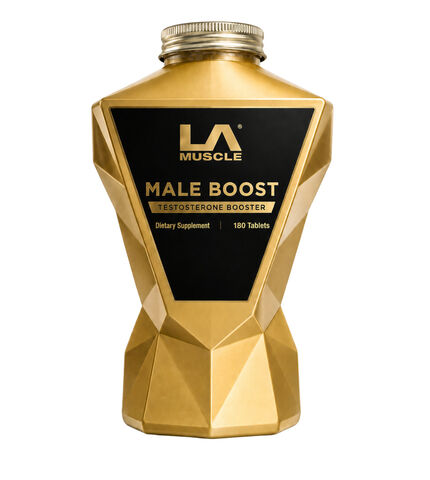
Male Boost
Testo booster to get you strong, lean, increase your confidence and libido
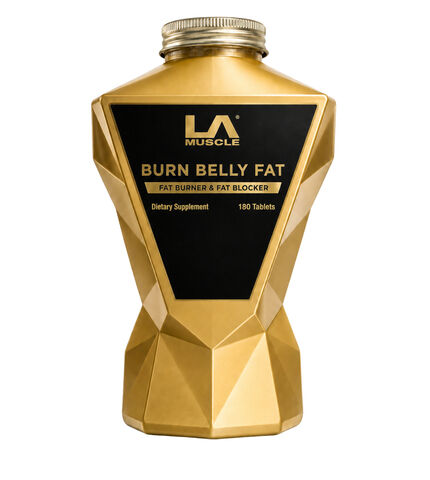
Burn Belly Fat
Fast-action natural fat burner for men & women