SIGN IN
 REGISTER


Wednesday, 11th March 2026
Chia Seeds for Muscle Gain and Fat Loss
By LA Muscle on 11.03.2026 06:22 am



In the world of sports nutrition, athletes and fitness enthusiasts are constantly searching for natural foods that support both muscle growth and fat loss. One of the most powerful yet underrated foods for achieving this balance is the chia seed. Used for centuries by ancient civilisations such as the Aztecs and Mayans as a source of endurance and strength, chia seeds have recently gained recognition in modern nutrition science for their unique combination of protein, fibre, omega-3 fatty acids, and essential minerals. When incorporated into a structured diet and training programme, chia seeds can play a valuable role in supporting lean muscle development while promoting healthy fat loss.
Nutritional Profile of Chia Seeds
Chia seeds are small but extremely nutrient dense. Just two tablespoons (about 28g) contain approximately:
Protein: 4–5g
Fibre: 10–11g
Omega-3 fatty acids: about 5g
Calcium: about 18% of daily needs
Magnesium: about 30% of daily needs
Iron: about 15% of daily needs
Calories: about 140 kcal
This combination of nutrients creates a metabolic environment that supports muscle repair, sustained energy, appetite control, and efficient fat metabolism.
How Chia Seeds Support Muscle Growth
1. Plant Protein for Muscle Repair
Muscle growth occurs when resistance training creates microscopic damage in muscle fibres, which are then repaired using amino acids from dietary protein. Chia seeds provide a useful plant-based protein source containing all nine essential amino acids required for muscle recovery. While they should not replace primary protein sources such as lean meat, fish, eggs, or protein supplements, they can help increase total daily protein intake, which is important for building lean muscle mass.
2. Magnesium for Muscle Function
Magnesium plays an important role in muscle contraction, nerve function, and protein synthesis. Many athletes do not consume enough magnesium, which may contribute to muscle fatigue, reduced recovery, and decreased performance. Chia seeds provide one of the richest plant sources of magnesium, helping support proper muscle function during both exercise and recovery.
3. Sustained Energy for Training
Chia seeds absorb water and form a gel-like consistency in the digestive system, slowing the digestion of carbohydrates and releasing energy gradually. This helps provide stable blood sugar levels and longer-lasting energy during training sessions. Historically, chia seeds were used by ancient runners and warriors as a food that provided endurance during long journeys.
How Chia Seeds Promote Fat Loss
1. Very High Fibre Content
Two tablespoons of chia seeds contain around 10 grams of fibre. High fibre foods help promote fat loss because they increase feelings of fullness, reduce overall calorie intake, support healthy digestion, and help stabilise blood sugar levels. These effects make chia seeds a useful addition to diets focused on reducing body fat.
2. Omega-3 Fatty Acids and Metabolic Health
Chia seeds are one of the richest plant sources of alpha-linolenic acid (ALA), a type of omega-3 fatty acid. Omega-3 fats are associated with reduced inflammation, improved hormone sensitivity, enhanced fat metabolism, and better hormonal balance. Improved hormone sensitivity helps the body direct nutrients toward muscle tissue rather than storing them as fat.
3. Low Glycaemic Impact
Chia seeds have a very low glycaemic load, meaning they do not cause sharp spikes in blood sugar or hormone levels. Stable blood sugar levels can help reduce fat storage signals, maintain steady energy throughout the day, and prevent cravings and hunger spikes.
Hydration Support
When soaked in water, chia seeds can absorb up to 10–12 times their weight in liquid. This property may help support hydration during exercise by slowing the absorption of fluids and electrolytes. For endurance athletes, this may contribute to improved stamina and reduced dehydration risk.
How to Use Chia Seeds in a Fitness Diet
Chia seeds are easy to add to a wide range of foods.
Pre-workout drink:
Mix one tablespoon of chia seeds with water or coconut water and a squeeze of lemon. Drink about 30 minutes before training for sustained energy.
Muscle-building smoothie:
Add chia seeds to a shake containing protein powder, banana, and milk or almond milk.
High-protein chia pudding:
Combine chia seeds with Greek yoghurt, protein powder, and berries to create a nutrient-rich breakfast or snack.
How Much Chia Seeds Should You Eat?
A practical intake for most active individuals is around 1–2 tablespoons per day. Larger amounts may cause digestive discomfort because of the high fibre content. Chia seeds should always be consumed with adequate fluids, especially when eaten dry.
Chia seeds are a simple but powerful addition to a performance-focused diet. Their combination of protein, fibre, omega-3 fatty acids, and essential minerals helps support muscle recovery, sustained energy, appetite control, and metabolic health. When combined with proper training and a balanced diet, chia seeds can contribute to both lean muscle development and effective fat loss.



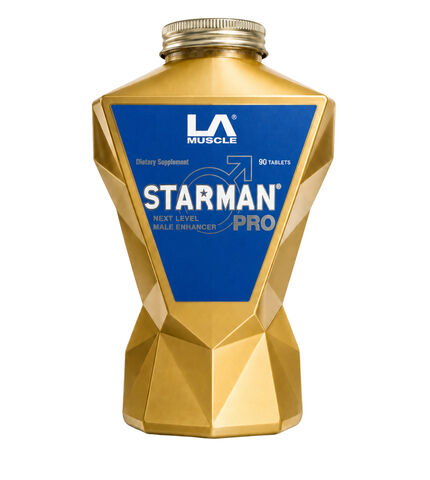
Starman® PRO
Next level male sexual enhancement formula
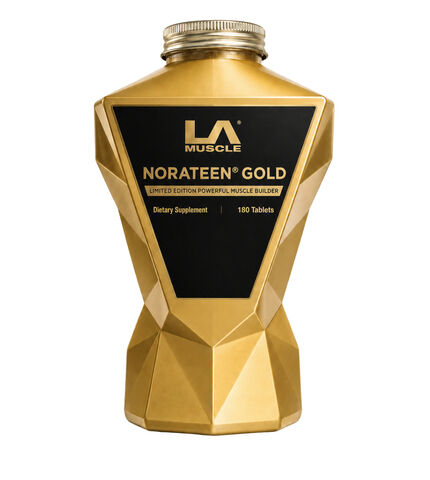
Norateen Gold
Expensive next-level ingredients in an award-winning formula, 100% guaranteed gains