SIGN IN
 REGISTER


The Knowledge > Exclusive Articles >
Monday, 20th April 2026
What Made Bruce Lee So Great?
By LA Muscle on 20.04.2026 07:04 pm


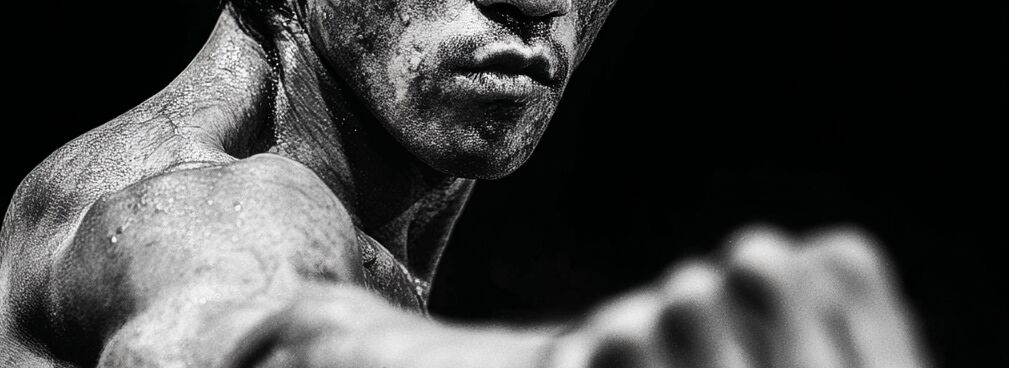
When people talk about peak human performance, the name Bruce Lee inevitably comes up. He wasn’t just a martial artist or a movie star—he was a pioneer in fitness, mindset, and body optimisation decades ahead of his time. What made him exceptional wasn’t genetics alone; it was a combination of philosophy, discipline, and a highly advanced approach to training that still influences athletes today.
1. He Trained Like a Hybrid Athlete (Before It Was Popular)
Long before modern “functional fitness” or hybrid training became mainstream, Bruce Lee was combining:
- Strength training
- Explosive power work
- Endurance conditioning
- Flexibility and mobility
He wasn’t trying to be a bodybuilder—he was building a complete human machine. His workouts included weightlifting, isometrics, sprinting, skipping, and martial arts drills all in one system.
This is very similar to what elite fighters and athletes do today.
2. Insane Core Strength and Functional Power
Bruce Lee’s core wasn’t just aesthetic—it was functional armour. His famous one-inch punch wasn’t about size; it was about:
- Kinetic chain efficiency
- Core activation
- Neuromuscular coordination
He trained his abs daily with exercises like:
- Hanging leg raises
- Dragon flags
- Twisting sit-ups
The result? A midsection that could generate explosive force from almost no distance.
3. Extremely Low Body Fat + Lean Muscle
Lee maintained an incredibly lean physique, often estimated around 5–7% body fat—something even modern athletes struggle to sustain.
How he achieved it:
- Clean, controlled diet
- High daily activity levels
- Constant movement and training
- Avoiding unnecessary bulk
He believed in being lean, fast, and efficient, not just big.
4. Obsession With Self-Improvement
Bruce Lee tracked everything:
- Workouts
- Body measurements
- Techniques
- Performance
He was constantly refining himself. This mindset is what separates average people from elite performers.
He famously said:
“Absorb what is useful, discard what is not.”
This applied to fitness as much as martial arts.
5. He Rejected Traditional Limits (Jeet Kune Do Philosophy)
Bruce Lee created Jeet Kune Do, a system based on efficiency, simplicity, and adaptability.
In fitness terms, this meant:
- No rigid routines
- No blind tradition
- Only what works
He would take elements from boxing, fencing, bodybuilding, and martial arts—and combine them into something superior.
That’s essentially what modern performance training is today.
6. Elite Conditioning and Work Ethic
Bruce Lee trained multiple times a day, often including:
- Morning runs (5–10 km)
- Skill training sessions
- Strength workouts
- Evening conditioning
He treated his body like a full-time project.
His endurance, speed, and recovery were all products of relentless consistency—not shortcuts.
7. Mental Discipline and Focus
Perhaps the most underrated factor:
Bruce Lee’s mental strength.
He practised:
- Visualisation
- Deep focus
- Emotional control
He understood that physical performance starts in the mind. This gave him an edge not just in fighting—but in life.
8. He Was Ahead of His Time Scientifically
Bruce Lee studied physiology, biomechanics, and nutrition long before it was trendy.
He applied:
- Progressive overload
- Specificity of training
- Recovery awareness
- Nutrition optimisation
Today, these are the foundations of sports science.
Back then? Almost unheard of. Bruce Lee wasn’t just “fit”—he was engineered for performance.
His greatness came from combining:
- A lean, powerful body
- Intelligent, adaptive training
- Relentless discipline
- A philosophy of constant evolution
If you strip it down, the lesson is simple: Don’t just train hard—train smart, stay adaptable, and never stop improving.



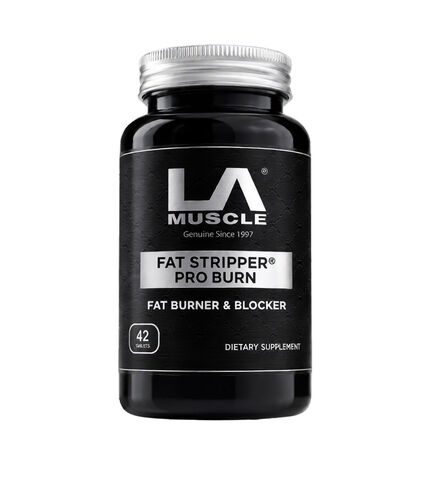
Fat Stripper PRO BURN
Professional Pharma Grade Fat Burner and Blocker
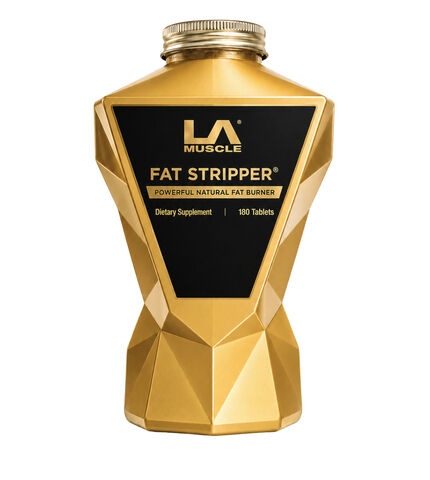
Fat Stripper
Stimulant-free, natural fat burner with no side effects, lose weight NOW!