SIGN IN
 REGISTER


The Knowledge > How To Build Muscle >
Tuesday, 6th January 2026
Full Guide to Strength Training in your 60s
By LA Muscle on 06.01.2026 07:56 pm


A Complete Guide for Beginners, Intermediate, and Advanced Levels
Strength training in your sixties is one of the most powerful things you can do for your health, independence, and confidence. Age does not stop muscle growth. People in their 60s, 70s, and even 80s can gain strength and muscle when training correctly.
This guide focuses on safety, longevity, and real-world strength.
Why Strength Training Matters After 60
After the age of 60, the body naturally experiences:
-
Loss of muscle mass (sarcopenia)
-
Reduced bone density
-
Decreased balance and coordination
-
Slower metabolism
-
Greater joint stiffness
Strength training helps to:
-
Reduce fall risk
-
Improve bone density
-
Protect joints
-
Maintain independence
-
Improve posture and confidence
-
Support blood sugar and heart health
The goal is not to lift like a bodybuilder. The goal is to stay strong enough to live life fully.
Key Safety Rules for All Levels
Before starting any programme:
-
Get medical clearance if you have heart issues, joint replacements, or chronic conditions
-
Start lighter than you think you need
-
Never train through sharp pain
-
Prioritise controlled movement over speed
-
Warm up before every session
-
Rest at least one day between strength sessions
Progression matters more than intensity.
Beginner Level (New to Strength Training or Returning After Years)
Who this is for:
-
Little or no strength training experience
-
Recovering from inactivity
-
Concerned about balance or joints
Frequency:
-
2 to 3 days per week
-
20 to 40 minutes per session
Focus:
-
Learning movement patterns
-
Joint stability
-
Balance and coordination
Exercises:
-
Chair squats
-
Wall push-ups
-
Seated resistance band rows
-
Step-backs or assisted lunges
-
Standing calf raises
-
Light dumbbell overhead press
-
Core work such as standing marches or seated leg lifts
Reps and sets:
-
1 to 2 sets per exercise
-
10 to 15 controlled repetitions
-
Rest 60 to 90 seconds between sets
Progress when:
-
You can complete all reps with good form
-
No joint pain the following day
-
Movements feel stable and confident
Intermediate Level (Already Active and Comfortable Training)
Who this is for:
-
Training consistently for at least 6 months
-
Comfortable using dumbbells or machines
-
Good balance and joint tolerance
Frequency:
-
3 days per week
-
40 to 60 minutes per session
Focus:
-
Building strength
-
Improving bone density
-
Enhancing balance and coordination
-
Increasing muscular endurance
Exercises:
-
Goblet squats or leg press
-
Dumbbell bench press or push-ups
-
One-arm dumbbell rows or machine rows
-
Romanian deadlifts with dumbbells
-
Step-ups
-
Seated or standing shoulder press
-
Planks or dead bugs for core strength
Reps and sets:
-
2 to 3 sets per exercise
-
8 to 12 repetitions
-
Rest 60 to 120 seconds
Progress when:
-
You can increase weight gradually without joint pain
-
Movements remain controlled and stable
-
Recovery feels manageable between sessions
Advanced Level (Highly Active and Strength-Focused)
Who this is for:
-
Strength training consistently for over a year
-
Good technique and joint health
-
Cleared by a medical professional if needed
Frequency:
-
3 to 4 days per week
-
60 minutes per session
Focus:
-
Maintaining muscle mass and power
-
Preserving bone density
-
Preventing injury
-
Enhancing quality of life and performance
Exercises:
-
Barbell or machine squats
-
Deadlifts or trap bar deadlifts
-
Bench press or incline dumbbell press
-
Pull-ups or lat pulldowns
-
Lunges or split squats
-
Farmer’s carries
-
Rotational core exercises
Reps and sets:
-
3 to 5 sets per exercise
-
5 to 8 repetitions for compound lifts
-
8 to 12 repetitions for accessory work
-
Longer rest periods of 2 to 3 minutes when needed
Power work (optional and controlled):
-
Light kettlebell swings
-
Medicine ball throws
-
Fast but controlled sit-to-stands
Only include power training if joints tolerate it well.
Warm-Up and Mobility (Essential at Any Level)
Always include:
-
5 to 10 minutes of light cardio (walking, cycling)
-
Dynamic movements for hips, shoulders, and spine
-
Light rehearsal sets before lifting
Mobility work improves performance and reduces injury risk.
Recovery and Rest
Recovery becomes more important with age:
-
Sleep 7 to 9 hours per night
-
Eat sufficient protein (around 1.6 g per kg of body weight)
-
Take at least one full rest day per week
-
Stretch lightly after training
Pain that lasts more than 48 hours is a sign to reduce volume or intensity.
Strength training in your sixties is not about fighting age. It is about using training to support your body, protect your independence, and improve your quality of life. Start where you are. Progress slowly. Stay consistent.
Supplements that can help you:
Build muscle with Norateen Heavyweight II or Norateen X. Lose fat with Fat Stripper Intense. Get more energy with Possessed II and/or Explosive Creatine. Become master of the bedroom with Starman PRO.








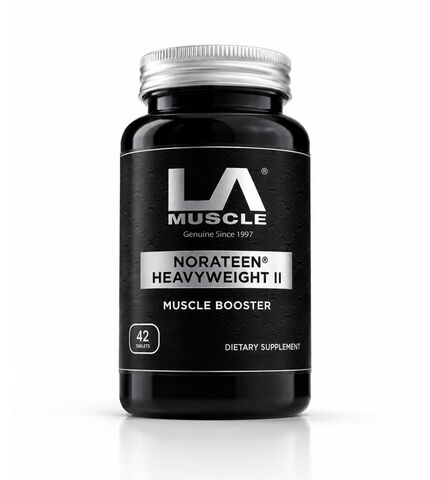
Norateen Heavyweight II
Voted No.1: Men's Health BBC/ SKY TV. No side effects, full guarantee

Fat Stripper Intense
Results in just days, no killing yourself in the gym, you take NO RISK