SIGN IN
 REGISTER


The Knowledge > Better Health >
Friday, 26th June 2026
Fainting in the Gym: What to Do, and When to Worry
By LA Muscle on 26.06.2026 08:35 pm



Feeling light-headed or even fainting during exercise can be alarming. Although most episodes are not caused by a serious medical problem, they should never be ignored. Your body is sending a message that something is wrong, whether it is dehydration, low blood sugar, overexertion, or, less commonly, an underlying heart condition. Understanding why people faint in the gym can help you prevent it and know when medical attention is needed.
What Is Fainting?
Fainting, also known as syncope, is a temporary loss of consciousness caused by a brief reduction in blood flow to the brain. Before fainting, many people experience warning signs such as:
- Feeling dizzy or light-headed
- Blurred or tunnel vision
- Ringing in the ears
- Sweating excessively
- Pale skin
- Nausea
- Feeling unusually weak
- Rapid or irregular heartbeat
Recognising these warning signs early often allows you to stop exercising before losing consciousness.
The Most Common Causes
1. Low Blood Sugar (Hypoglycaemia)
One of the most frequent causes of dizziness during exercise is low blood sugar. Your muscles require glucose for fuel, and if your blood sugar falls too low, your brain is affected first.
This is more likely if you:
- Train on an empty stomach
- Have skipped meals
- Are following an extremely low-calorie diet
- Have diabetes and use Hormone or glucose-lowering medication
- Have performed prolonged or intense exercise without adequate nutrition
Symptoms include:
- Shaking
- Sweating
- Hunger
- Confusion
- Weakness
- Dizziness
- Fainting
Prevention
- Eat a balanced meal containing carbohydrates and protein 2–3 hours before training.
- If training early in the morning, consider a light snack such as fruit or yoghurt.
- During prolonged workouts lasting more than 90 minutes, consume carbohydrates as needed.
- If you have diabetes, monitor your blood sugar before and after exercise.
2. Dehydration
Losing fluid through sweating reduces blood volume, making it harder for the heart to pump enough blood to the brain. Even losing 2% of your body weight through sweat can reduce physical performance and increase the risk of dizziness.
Warning signs include:
- Excessive thirst
- Dry mouth
- Dark urine
- Muscle cramps
- Fatigue
- Rapid heartbeat
Prevention
Drink regularly throughout the day rather than relying solely on water during exercise.
General guidance:
- 400–600 ml of water approximately two hours before training
- Small amounts every 15–20 minutes during longer sessions
- Replace fluids after exercise, particularly in hot environments
For long or intense workouts lasting over an hour, electrolyte-containing drinks may be beneficial.
3. Overexertion
Trying to lift too much weight, performing excessive repetitions, or pushing beyond your current fitness level can overwhelm your cardiovascular system.
This is particularly common when:
- Attempting personal best lifts
- Performing very high-intensity interval training
- Returning after illness
- Exercising despite lack of sleep
- Beginning a new training programme
The body may struggle to maintain blood pressure, causing dizziness.
Prevention
Progress gradually. Increase weights, duration and intensity slowly rather than making sudden large jumps. Always allow adequate recovery between sessions.
4. Holding Your Breath
Many people unknowingly hold their breath while lifting heavy weights (the Valsalva manoeuvre).
While this technique is sometimes used intentionally by experienced powerlifters, it temporarily alters blood pressure and can reduce blood flow to the brain in susceptible individuals.
Prevention
For most recreational gym users:
- Exhale during the lifting phase.
- Inhale during the lowering phase.
- Avoid prolonged breath-holding.
5. Standing Still After Intense Exercise
Stopping suddenly after vigorous exercise can allow blood to pool in the legs. Normally, contracting muscles help pump blood back to the heart. When movement suddenly stops, blood pressure may fall rapidly. This is known as exercise-associated postural hypotension.
Prevention
Always perform a proper cool-down. Walk gently for several minutes before sitting or lying down.
6. Heat and Poor Ventilation
Hot gyms increase sweating and dehydration while placing additional stress on the cardiovascular system. People exercising outdoors in summer or training in poorly ventilated facilities have a greater risk.
Prevention
- Wear breathable clothing.
- Drink regularly.
- Reduce exercise intensity in hot weather.
- Take breaks when necessary.
7. Low Blood Pressure
Some naturally have low blood pressure, making them more prone to dizziness when standing quickly or exercising intensely. This is often worsened by dehydration.
8. Heart Conditions
Although uncommon, exercise-related fainting can occasionally indicate a serious heart problem.
Possible causes include:
- Abnormal heart rhythms
- Heart muscle disease
- Heart valve disease
- Congenital heart abnormalities
These require prompt medical assessment.
What Should You Do If You Feel Faint?
If you become dizzy:
- Stop exercising immediately.
- Sit or lie down.
- Raise your legs if possible.
- Loosen tight clothing.
- Sip water if you are awake and able.
- If you suspect low blood sugar, consume fast-acting carbohydrates such as fruit juice, glucose tablets or sugary sweets.
- Do not immediately resume exercising.
Allow your symptoms to resolve fully before deciding whether to continue.
What If Someone Actually Faints?
If another person loses consciousness:
- Help them safely to the floor.
- Raise their legs.
- Check they are breathing normally.
- Loosen tight clothing.
- Do not force food or drink into their mouth until fully awake.
- Stay with them until they recover.
If they do not regain consciousness within a minute, have abnormal breathing, or have suffered a significant injury from the fall, call emergency medical services immediately.
When Should You Seek Medical Attention?
You should arrange medical assessment if:
- It is your first episode of fainting.
- It happens repeatedly.
- It occurs during exercise rather than afterwards.
- There is chest pain.
- You experience palpitations.
- There is significant shortness of breath.
- Recovery is slow.
- You have known heart disease.
- There is a family history of sudden cardiac death.
- You sustained a head injury.
Exercise-related fainting that occurs during intense activity is more concerning than fainting after exercise and should always be evaluated by a healthcare professional.
When Is It Usually Less Concerning?
Many episodes are related to temporary factors such as:
- Skipping breakfast before training
- Mild dehydration
- Exercising in excessive heat
- Standing up too quickly
- Overtraining
- Fatigue
- Recovering from illness
Even in these situations, repeated episodes should not simply be ignored.
Can Supplements Cause Fainting?
Certain supplements may contribute indirectly by affecting blood pressure, hydration or heart rate.
These include:
- High doses of stimulants
- Excess caffeine
- Fat burners
- Pre-workout products
- Alcohol consumed before exercise
Always follow recommended doses and avoid combining multiple stimulant products.
Practical Tips to Prevent Fainting
- Never train completely dehydrated.
- Eat appropriately before exercise.
- Build intensity gradually.
- Warm up thoroughly.
- Cool down properly.
- Avoid holding your breath.
- Replace fluids after training.
- Listen to your body's warning signs.
- Get adequate sleep.
- Avoid exercising when seriously ill.
Most episodes of dizziness or fainting in the gym are caused by preventable factors such as dehydration, low blood sugar, overheating or pushing beyond your current fitness level. Fortunately, these can usually be avoided through sensible preparation, good nutrition, adequate hydration and progressive training.
However, fainting should never be dismissed as "just one of those things." If you lose consciousness during exercise, experience chest pain, palpitations, severe breathlessness, or have recurrent episodes, seek medical assessment promptly. Identifying the cause early not only helps you return to training safely but may also uncover an underlying medical condition that requires treatment. Exercise remains one of the most effective ways to improve health and longevity—but training smart is just as important as training hard.







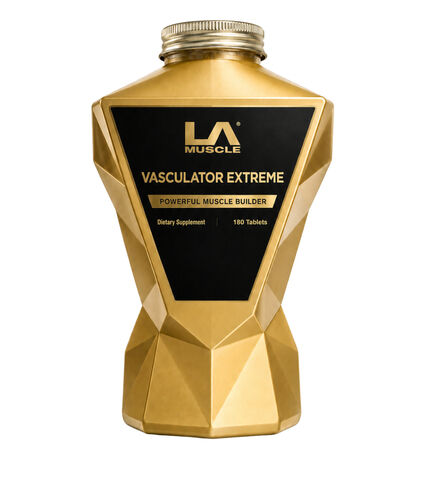
Vasculator EXTREME
2 months' supply of very powerful gym muscle pills

Six Pack Pill® Extreme
Guaranteed six pack or money back, NO RISK results typically in days