SIGN IN
 REGISTER


The Knowledge > Exclusive Articles >
Saturday, 7th March 2026
The Rise of Metabolic Health: The Most Important Fitness and Health Trend Today
By LA Muscle on 07.03.2026 12:00 pm


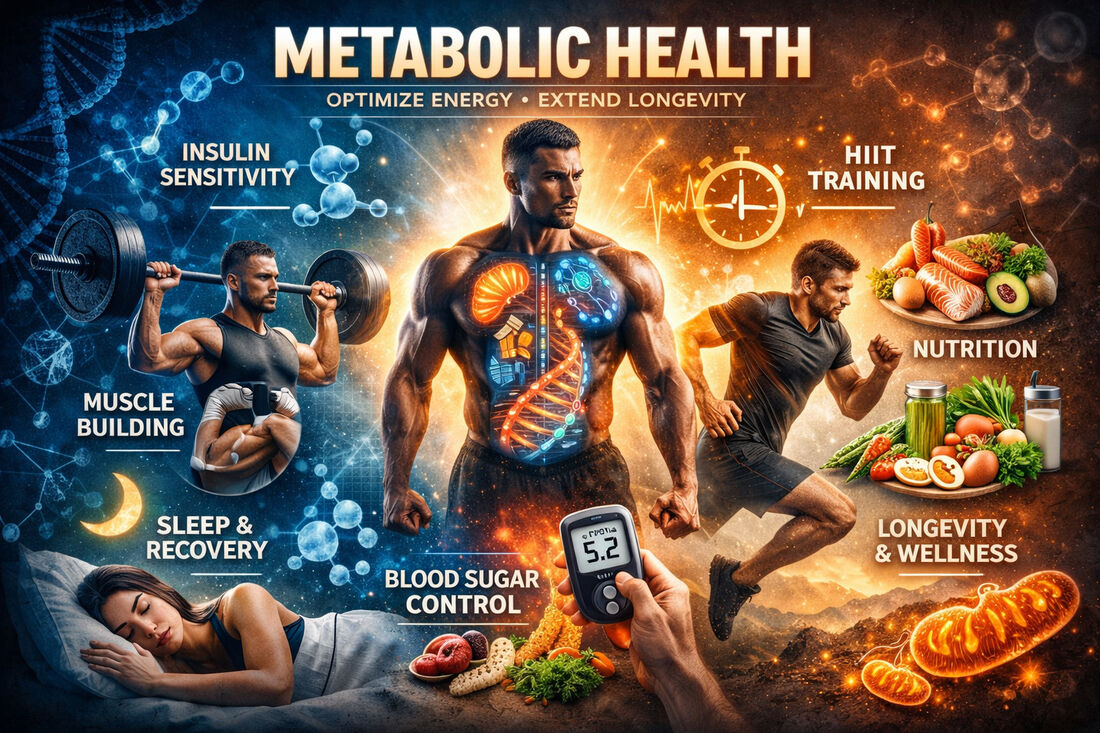
In recent years, one topic has rapidly moved to the centre of modern health and fitness science: metabolic health. Doctors, performance coaches, and longevity researchers now agree that improving metabolic health may be the single most important factor in preventing disease, maintaining energy, and staying physically fit as we age.
Metabolic health refers to how efficiently the body produces and uses energy. When metabolism is functioning properly, the body regulates blood sugar, burns fat efficiently, maintains healthy hormone levels, and supports strong cardiovascular function. When metabolic health declines, it can lead to fatigue, weight gain, inflammation, and a higher risk of chronic diseases such as type 2 diabetes, heart disease, and obesity.
Today, scientists are recognising that traditional approaches to health, such as simply counting calories or exercising occasionally, are not enough. Instead, the focus has shifted toward improving how the body manages energy at the cellular level.
Why Metabolic Health Is Now a Global Focus
Modern lifestyles have created an unprecedented metabolic crisis. According to many public health studies, a large proportion of adults in developed countries show at least one sign of metabolic dysfunction. This includes elevated blood sugar, increased waist circumference, high blood pressure, or abnormal cholesterol levels.
What makes metabolic health particularly important is that it influences nearly every system in the body, including:
-
Energy levels and fatigue
-
Fat storage and body composition
-
Brain health and cognitive performance
-
Hormone balance
-
Cardiovascular health
-
Immune function
Improving metabolic health therefore does not only improve appearance or athletic performance. It improves overall resilience and long-term wellbeing.
The Role of Ins. Hormone Sensitivity
One of the most important markers of metabolic health is ins. hormone sensitivity. Insln. is the hormone responsible for moving glucose from the bloodstream into cells, where it is used for energy.
When the body becomes resistant to the above hormone, glucose remains in the bloodstream instead of being used effectively. Over time this can lead to elevated blood sugar, increased fat storage, and eventually metabolic disorders.
Improving hormone sensitivity has therefore become a major focus in modern health strategies. Research consistently shows that individuals with better hormone sensitivity tend to have:
-
Lower body fat levels
-
Better muscle development
-
More stable energy levels
-
Reduced risk of diabetes and cardiovascular disease
Strength Training and Muscle: The New Metabolic Medicine
One of the most powerful tools for improving metabolic health is resistance training.
Muscle tissue acts as a metabolic engine within the body. The more lean muscle a person carries, the more efficiently their body can store and use glucose. This is why strength training has become one of the most recommended forms of exercise by doctors and sports scientists.
Regular resistance training has been shown to:
-
Improve hormone sensitivity
-
Increase resting metabolic rate
-
Reduce visceral fat around the organs
-
Improve hormone balance
-
Enhance physical performance and longevity
Even moderate strength training performed three to four times per week can significantly improve metabolic markers.
High-Intensity Training and Mitochondrial Health
Another emerging focus in health science is mitochondrial function. Mitochondria are the tiny energy-producing structures inside cells, responsible for converting nutrients into usable energy.
High-intensity interval training (HIIT) has been shown to stimulate mitochondrial growth and efficiency. This improves the body’s ability to burn both carbohydrates and fat.
Studies have found that HIIT can:
-
Increase fat oxidation
-
Improve cardiovascular endurance
-
Enhance metabolic flexibility
-
Reduce hormone resistance
Because HIIT workouts are shorter and more intense, they have become a popular strategy for people who want maximum health benefits in minimal time.
Nutrition for Metabolic Efficiency
Modern nutrition science increasingly focuses on quality of nutrients rather than simple calorie restriction. A metabolically supportive diet generally includes:
-
High-quality protein to support muscle maintenance
-
Healthy fats that support hormone production
-
Fibre-rich carbohydrates that stabilise blood sugar
-
Whole foods that reduce inflammation
Reducing highly processed foods, refined sugars, and excessive alcohol consumption is also strongly associated with improved metabolic function. Protein intake in particular has gained significant attention in recent years because it supports muscle mass, satiety, and metabolic rate.
The Emerging Science of Recovery
Another key factor in metabolic health is recovery. Sleep and stress management directly influence hormones that control metabolism, such as cortisol and GH. Poor sleep can impair glucose regulation and increase hunger hormones, which makes fat loss significantly more difficult. Consistent high-quality sleep supports:
-
Muscle repair
-
Hormone balance
-
Fat metabolism
-
Cognitive performance
As a result, many health professionals now consider sleep to be as important as diet and exercise.
Longevity and the Future of Fitness
Perhaps the most exciting development in modern health science is the growing field of longevity research. Scientists studying populations that live longer, healthier lives consistently find that metabolic health is one of the strongest predictors of lifespan. People who maintain healthy body composition, strong muscles, and stable blood sugar levels tend to experience lower rates of age-related diseases. The future of fitness therefore appears to be shifting from purely aesthetic goals toward performance, metabolic resilience, and long-term health.
The most current and influential concept in health and fitness today is metabolic health. Rather than focusing only on weight loss or appearance, modern science emphasises improving how the body produces, stores, and uses energy. By combining resistance training, intelligent cardiovascular exercise, high-quality nutrition, and proper recovery, individuals can significantly enhance metabolic function. The result is not only improved physical performance but also better long-term health, increased energy, and a reduced risk of chronic disease. As research continues to evolve, metabolic health is likely to remain one of the most important foundations of modern fitness and preventative medicine.








Norateen Diamond
Build Muscle AND Lose Weight, Diamond Cuts

Norateen Black
World's First Norateen® Muscle Builder AND Fat Burner In One