SIGN IN
 REGISTER


The Knowledge > Exclusive Articles >
Saturday, 3rd January 2026
LA Muscle Fitness Expert Rob Predicts the Biggest Fitness Trends of 2026
By LA Muscle on 03.01.2026 06:22 am


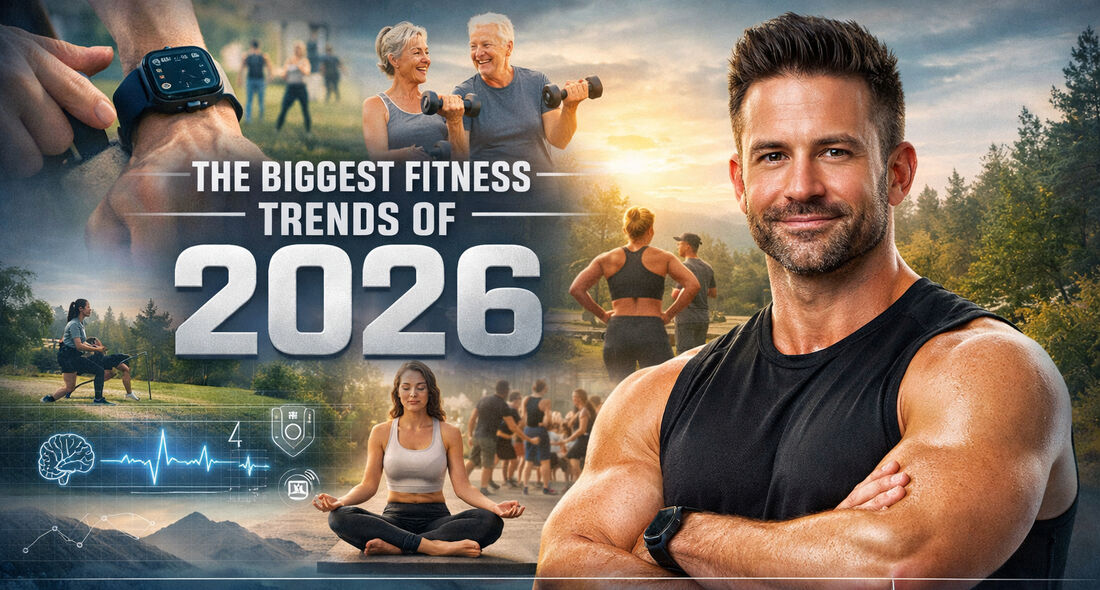
As we move into 2026, the fitness world is undergoing a powerful transformation. Training is no longer just about building muscle or burning calories — it’s about longevity, intelligence, mental resilience, and sustainable performance. Based on emerging global shifts in health behaviour, training science, and performance optimisation, LA Muscle fitness expert Rob outlines the most important fitness trends set to define the year ahead.
1. Intelligent Wearables That Guide Training and Recovery
Fitness wearables in 2026 go far beyond counting steps or tracking heart rate. They are evolving into intelligent performance tools that help individuals understand how their body responds to stress, training, sleep, and recovery. These insights allow people to train with precision — pushing when the body is ready and pulling back when recovery is needed. The result is better progress with fewer setbacks.
2. Training for Longevity Becomes the New Goal
A major shift in 2026 is the move away from short-term aesthetic goals toward long-term physical capability. Strength training, mobility, balance, and metabolic health are now prioritised for maintaining independence, resilience, and quality of life as we age. Fitness is no longer about looking good for summer — it’s about staying strong for decades.
3. Mind-Body Integration Takes Centre Stage
Fitness is increasingly recognised as a powerful tool for mental health. In 2026, more training methods deliberately integrate breathing, focus, and nervous-system regulation into workouts. These sessions don’t just challenge the body — they reduce stress, improve emotional control, and sharpen mental clarity. Movement becomes a form of mental conditioning as much as physical training.
4. Community-Driven Fitness Experiences Explode
People are craving connection, and fitness is becoming a primary way to find it. Group-based training, shared challenges, and community-led sessions are thriving because they provide motivation, accountability, and belonging. In 2026, fitness isn’t just something you do alone — it’s something you share.
5. Recovery Is Treated as a Core Training Tool
The biggest mindset change in modern fitness is the recognition that progress happens during recovery, not just during training. Structured rest days, mobility work, quality sleep, and nervous-system recovery are now essential components of effective programmes. In 2026, training smarter beats training harder every time.
6. Hyper-Personalised Training Replaces One-Size-Fits-All Plans
Generic programmes are fading out. In their place are personalised training approaches that adapt to individual responses, lifestyles, and recovery capacity. Workouts are adjusted based on real-time feedback, making training more efficient, safer, and better suited to each person’s goals.
7. Outdoor and Functional Training Make a Strong Comeback
More people are taking fitness outside the gym walls. Functional, real-world movement performed outdoors is growing rapidly, driven by the desire for fresh air, mental clarity, and training that carries over into everyday life. Strength, endurance, and mobility are developed in environments that challenge the body naturally.
8. Age-Inclusive Fitness Becomes the Norm
Fitness in 2026 is no longer segmented by age. Training programmes are being designed to support strength, mobility, and confidence at every life stage. Whether someone is 18 or 68, fitness is becoming more inclusive, adaptive, and focused on long-term wellbeing rather than short-term extremes.
The defining fitness trend of 2026 is balance. Strength and recovery. Technology and intuition. Performance and longevity. The future of fitness isn’t about doing more — it’s about doing what works, consistently, for life. Fitness is no longer just a routine. It’s a strategy for living better.




Norateen PRO
New Extreme PRO Level Muscle & Strength Builder
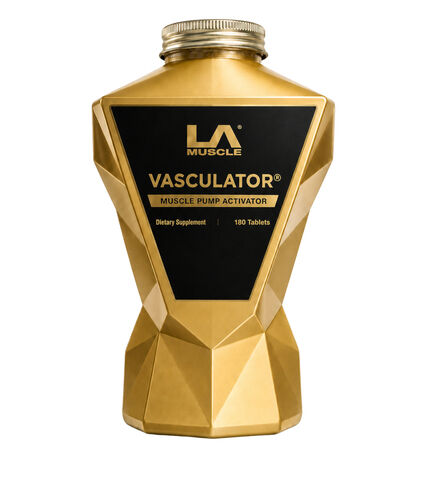
Vasculator
WINNER: Men's Health Supplements Awards. Instant Muscle Pumps!