SIGN IN
 REGISTER


The Knowledge > Exclusive Articles >
Thursday, 12th February 2026
30 Sports You’ve (Probably) Never Heard Of
By LA Muscle on 12.02.2026 07:35 am



When people think of sport, they usually picture football, boxing, tennis, or running. But across the world — from frozen lakes to deserts, villages, and even office buildings — humans have invented thousands of strange, demanding, and fascinating sports. Some improve reflexes, some build mental resilience, some test balance in unusual ways, and others strengthen communities as much as muscles. Here are 30 obscure sports, what they are, how you participate, and how they benefit you.
1. Sepak Takraw
What it is: Volleyball played using feet, head, chest — no hands allowed.
How you participate: Teams of three play on a badminton-sized court using a rattan ball.
Benefits: Explosive leg power, flexibility, coordination, and core strength.
2. Bossaball
What it is: Volleyball mixed with gymnastics on an inflatable court with trampolines.
How you participate: Teams jump, flip, and spike while music plays continuously.
Benefits: Cardio fitness, agility, rhythm, and joyful movement.
3. Hornussen
What it is: A Swiss sport combining elements of baseball and golf.
How you participate: One team hits a fast-moving puck-like object; the other tries to stop it mid-air.
Benefits: Reaction speed, teamwork, hand–eye coordination.
4. Underwater Hockey
What it is: Hockey played at the bottom of a swimming pool.
How you participate: Players use snorkels and short sticks to push a puck along the pool floor.
Benefits: Breath control, lung capacity, shoulder endurance, calm under pressure.
5. Canoe Polo
What it is: Polo played in kayaks on water.
How you participate: Teams paddle while passing and throwing a ball into elevated goals.
Benefits: Upper-body strength, balance, tactical awareness.
6. Buzkashi
What it is: A traditional Central Asian horseback sport using a goat carcass.
How you participate: Riders compete to grab and score with the carcass.
Benefits: Grip strength, courage, riding skill, mental toughness.
7. Chess Boxing
What it is: Alternating rounds of chess and boxing.
How you participate: Win by checkmate or knockout.
Benefits: Cognitive endurance, emotional regulation, decision-making under stress.
8. Cycleball
What it is: Football played on bicycles.
How you participate: Players strike the ball with their wheels while staying mounted.
Benefits: Balance, leg endurance, coordination.
9. Toe Wrestling
What it is: A competitive sport involving locking toes.
How you participate: Competitors try to force their opponent’s foot to the ground.
Benefits: Foot strength, joint stability, novelty fun.
10. Skijoring
What it is: Being pulled on skis by a horse, dog, or vehicle.
How you participate: Ski while holding a tow rope.
Benefits: Core strength, balance, reaction speed.
11. Shinty
What it is: An ancient Scottish stick-and-ball sport.
How you participate: Played similarly to field hockey but faster and more physical.
Benefits: Cardiovascular fitness, reflexes, teamwork.
12. Kabaddi
What it is: A contact team sport involving tagging and breath control.
How you participate: Players hold their breath while invading the opposing team’s area.
Benefits: Lung capacity, speed, agility, mental focus.
13. Bo-Taoshi
What it is: A Japanese sport involving attacking and defending a giant pole.
How you participate: Hundreds of players push, climb, and protect the pole.
Benefits: Strength, coordination, camaraderie.
14. Paddle Tennis (Platform Tennis)
What it is: A compact version of tennis played with solid paddles.
How you participate: Played on small courts, often in cold conditions.
Benefits: Reaction speed, wrist strength, social play.
15. Glima
What it is: Traditional Icelandic wrestling.
How you participate: Upright grappling with strict rules and controlled throws.
Benefits: Balance, posture, controlled strength.
16. Street Luge
What it is: Racing downhill while lying on a board.
How you participate: Gravity-powered races on closed roads.
Benefits: Core stability, focus, nerve control.
17. Fistball
What it is: Volleyball-style sport using fists or forearms.
How you participate: Teams hit the ball over a net after one bounce.
Benefits: Upper-body power, timing, endurance.
18. Korfball
What it is: A mixed-gender ball sport similar to basketball.
How you participate: Teams must include equal numbers of men and women.
Benefits: Inclusivity, coordination, tactical movement.
19. Shin Kicking
What it is: A historic English combat sport.
How you participate: Competitors kick each other’s shins until one falls.
Benefits: Pain tolerance, resilience, mental grit.
20. Ice Climbing
What it is: Climbing frozen waterfalls using axes and crampons.
How you participate: Technical climbs on natural ice formations.
Benefits: Grip strength, mental discipline, full-body engagement.
21. Paddleboard Yoga
What it is: Yoga performed on a floating paddleboard.
How you participate: Traditional yoga poses adapted to water.
Benefits: Balance, mindfulness, stabiliser muscle activation.
22. Parkour Tag
What it is: Tag played using parkour movement.
How you participate: Chase and evade using walls, rails, and obstacles.
Benefits: Agility, spatial awareness, explosive movement.
23. Speedcubing
What it is: Competitive Rubik’s Cube solving.
How you participate: Solve puzzles as fast as possible in competitions.
Benefits: Cognitive speed, pattern recognition, focus.
24. Sandboarding
What it is: Snowboarding on sand dunes.
How you participate: Ride boards down dunes.
Benefits: Leg strength, balance, low-impact cardio.
25. Extreme Lawn Bowling
What it is: Lawn bowling adapted with speed, obstacles, or uneven terrain.
How you participate: Roll bowls with added difficulty elements.
Benefits: Coordination, strategic thinking.
26. Jugger
What it is: A futuristic team sport using padded weapons and a ball.
How you participate: Teams battle tactically to score.
Benefits: Cardio fitness, teamwork, creativity.
27. Roller Derby
What it is: A full-contact sport on roller skates.
How you participate: Teams block opponents and score laps.
Benefits: Lower-body power, resilience, confidence.
28. Footgolf
What it is: Golf played with a football.
How you participate: Kick a ball into oversized holes across a course.
Benefits: Low-impact cardio, precision, walking fitness.
29. Lethwei
What it is: Bare-knuckle Burmese boxing with headbutts allowed.
How you participate: Full-contact striking sport.
Benefits: Mental toughness, conditioning, striking skill.
30. Extreme Ironing
What it is: Ironing clothes in dangerous or unusual locations.
How you participate: Combine adventure sports with ironing tasks.
Benefits: Balance, creativity, stress relief.




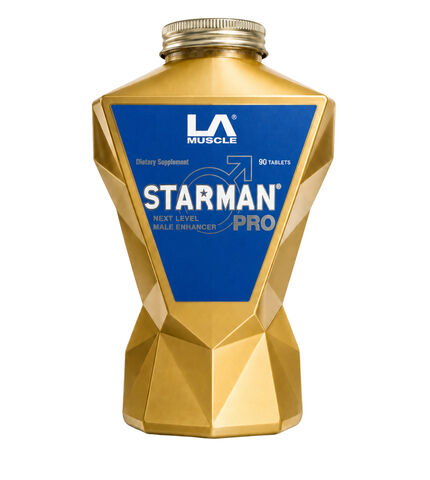
Starman® PRO
Next level male sexual enhancement formula
Norateen Growth
Strongest HMB, BCAA & Testo Supplement In The World