SIGN IN
 REGISTER


The Knowledge > Exclusive Articles >
Saturday, 17th January 2026
How Long Should You Be Able to Hold a Plank for Your Age?
By LA Muscle on 17.01.2026 11:52 am


The plank is one of the simplest yet most effective exercises for building core strength, improving posture, and reducing injury risk. But a common question people ask is: how long should I be able to hold a plank for my age?
The answer depends on age, fitness level, and consistency — but there are some useful benchmarks that can help you understand where you stand and what’s considered good, average, or excellent.
Why the Plank Matters
Planks strengthen more than just your abs. They engage:
-
Deep core muscles (transverse abdominis)
-
Lower back
-
Shoulders and upper back
-
Glutes and legs
A strong core improves balance, protects your spine, enhances athletic performance, and even helps with everyday movements like lifting and walking.
Plank Time Benchmarks by Age
These are general guidelines for healthy adults with no injuries. If you’re new to exercise, your starting point may be lower — and that’s perfectly fine.
Ages 18–29
-
Beginner: 20–45 seconds
-
Average: 60–90 seconds
-
Good: 2 minutes
-
Excellent: 3+ minutes
At this age, muscle recovery and strength gains are at their peak, so many people can progress quickly with regular training.
Ages 30–39
-
Beginner: 20–40 seconds
-
Average: 60 seconds
-
Good: 90 seconds – 2 minutes
-
Excellent: 2–3 minutes
Busy schedules and less activity can affect core strength, but strong results are still very achievable.
Ages 40–49
-
Beginner: 15–30 seconds
-
Average: 45–60 seconds
-
Good: 90 seconds
-
Excellent: 2 minutes
Maintaining core strength in your 40s is crucial for protecting the lower back and joints.
Ages 50–59
-
Beginner: 10–20 seconds
-
Average: 30–45 seconds
-
Good: 60–90 seconds
-
Excellent: 90 seconds – 2 minutes
Form becomes more important than time. A shorter, perfect plank is far better than a longer one with sagging hips or rounded shoulders.
Ages 60+
-
Beginner: 5–15 seconds
-
Average: 20–30 seconds
-
Good: 45–60 seconds
-
Excellent: 60–90 seconds
Even short plank holds can significantly improve stability, balance, and fall prevention in older adults.
Quality Over Quantity: Why Form Matters More Than Time
Holding a plank for five minutes with poor posture does far less good than holding a perfect plank for 45 seconds.
A correct plank position includes:
-
Straight line from head to heels
-
Core braced as if preparing for a cough
-
Glutes lightly squeezed
-
Neck neutral, eyes looking slightly ahead of hands
-
Shoulders stacked over elbows or wrists
If your hips sag or your lower back arches, the plank has stopped training your core and started stressing your spine.
Is Holding a Plank for Several Minutes Necessary?
Not really.
Most fitness professionals agree that 60–120 seconds of perfect plank is enough for core strength. Beyond that, it becomes more of an endurance challenge than a strength builder.
Instead of chasing longer times, try making planks more challenging by:
-
Lifting one leg
-
Shoulder taps
-
Side planks
-
Slow mountain climbers
-
Weighted planks
These build functional strength faster than simply holding longer.
How to Improve Your Plank Time Safely
If you want to increase your plank ability, consistency matters more than intensity.
Try This Simple Progression Plan
-
Start with 3 sets of 20–30 seconds
-
Rest 30–45 seconds between sets
-
Add 5–10 seconds every few sessions
-
Aim for perfect form on every rep
You can train planks 3–5 times per week with minimal recovery issues.
What If You Can’t Hold a Plank Yet?
That’s completely normal — especially if you’re just starting or returning after a long break.
Begin with easier variations:
-
Knee planks
-
Elevated planks (hands on bench or sofa)
-
Dead bugs
-
Bird dogs
These still strengthen your core and prepare your body for full planks safely.
Plank time is a useful indicator of core endurance, but it’s not a competition. Your age, training history, body weight, and injuries all play a role.
As a rough rule:
-
30 seconds = beginner
-
60 seconds = solid core
-
90–120 seconds = very good
-
3+ minutes = exceptional (but not necessary)
What matters most is building a strong, stable core that supports your daily life and keeps you pain-free — not how long you can stare at the floor.



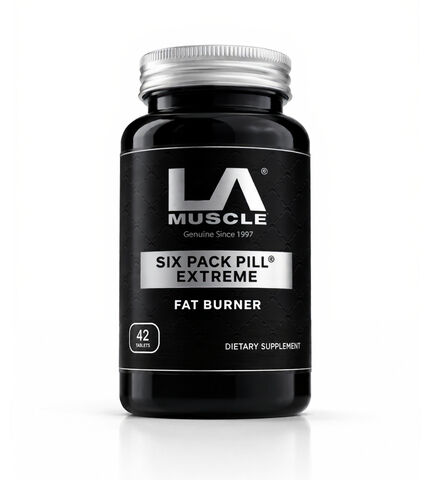
Six Pack Pill® Extreme
Guaranteed six pack or money back, NO RISK results typically in days
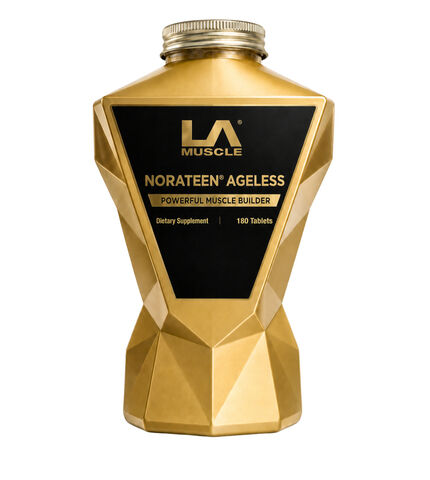
Norateen Ageless
World First Norateen To Rediscover Your Prime - Turn Back Time