SIGN IN
 REGISTER


Thursday, 25th June 2026
Salt: Friend or Foe? How to Use Salt Wisely to Look Your Best This Summer
By LA Muscle on 25.06.2026 11:14 am



Salt has earned a bad reputation over the years, but the truth is far more interesting. Your body simply cannot function without sodium. Every heartbeat, muscle contraction and nerve impulse depends on it. The problem isn't salt itself—it's how much you eat, where it comes from and when you consume it. Whether you're trying to build muscle, lose body fat or simply look leaner on the beach this summer, understanding salt can help you achieve better results.
5 Reasons Salt Is Your Friend
1. Maintains Hydration
Sodium helps regulate the balance of fluids inside and outside your cells. Too little salt can leave you dehydrated, fatigued and prone to muscle cramps, especially during hot weather or exercise.
2. Improves Muscle Performance
Every muscle contraction relies on sodium. Athletes and gym-goers who sweat heavily lose significant amounts of sodium, and replacing it helps maintain strength, endurance and performance.
3. Supports Healthy Nerve Function
Sodium allows nerves to send electrical signals throughout the body. Without enough sodium, weakness, confusion and poor coordination can develop.
4. Enhances Muscle Pumps
Bodybuilders often use sodium strategically because it helps draw water into muscle cells, creating fuller, harder-looking muscles during training.
5. Replaces What You Lose Through Sweat
On hot summer days, you can lose several grams of sodium through perspiration. Replacing those losses helps maintain energy, hydration and recovery.
5 Reasons Salt Can Be Your Enemy
1. Too Much Can Cause Water Retention
Eating excessive amounts of salty processed foods can cause your body to temporarily retain extra water, making your face, waist and fingers appear puffier.
2. May Increase Blood Pressure in Some People
Some individuals are more sensitive to sodium than others. Excessive salt intake may contribute to elevated blood pressure, particularly in those already predisposed.
3. Hidden Salt Is Everywhere
Many processed foods contain surprisingly high amounts of sodium, including breads, breakfast cereals, ready meals, sauces and snacks. It's often these hidden sources that cause problems rather than the salt shaker.
4. Can Make You Feel Bloated
Large, salty takeaway meals or fast food often combine high sodium with refined carbohydrates, leading to temporary bloating and discomfort.
5. Encourages Thirst
Highly salted foods can make you drink more sugary drinks or alcohol if you're not careful, increasing your calorie intake without realising it.
Can Salt Help You Lose Water?Yes—but not in the way many people think. Many people drastically cut salt before a holiday or photoshoot. Initially this may reduce some water retention, but your body quickly adapts by conserving sodium and holding onto water. A better strategy is consistency. Keep your salt intake relatively stable from day to day while drinking plenty of water. When sodium and water intake are both consistent, your body regulates fluid balance much more efficiently. Ironically, drinking too little water often causes the body to retain more water.
Can Salt Burn Fat?
No. Salt does not burn body fat. Body fat is only lost when you consistently consume fewer calories than you burn. However, reducing excess water retention can make you appear leaner, more defined and more muscular, even though your body fat percentage hasn't changed.
How to Look Leaner This Summer
If you want to look your best on holiday:
- Stay well hydrated every day.
- Eat mostly fresh, unprocessed foods.
- Keep your sodium intake consistent rather than swinging between very high and very low.
- Increase your intake of potassium-rich foods such as bananas, spinach, potatoes, avocados and tomatoes, which help balance sodium.
- Exercise regularly to encourage healthy circulation and fluid balance.
- Sleep at least seven hours each night, as poor sleep can increase water retention.
- Reduce alcohol for a few days before your holiday or beach day, as it can contribute to dehydration followed by rebound water retention.
Summer Water-Management Tips
If you're aiming to look your leanest for a special event:
Five to seven days beforehand
- Maintain normal salt intake.
- Drink 2–3 litres of water daily (more if you're active or in hot weather).
- Eat plenty of vegetables and lean protein.
One to two days beforehand
- Avoid processed foods and takeaway meals, which often contain very high sodium.
- Keep water intake steady.
- Avoid binge eating.
On the day
- Eat a moderate, balanced breakfast.
- Avoid huge salty meals.
- A light workout or brisk walk can enhance muscle definition by increasing blood flow.
- Stay hydrated—don't deliberately dehydrate yourself.
Salt is neither a hero nor a villain. Used sensibly, it supports hydration, muscle function, performance and overall health. Problems usually arise from consuming large amounts of highly processed foods rather than from adding a little salt to home-cooked meals. If your goal is to look lean, athletic and confident this summer, focus on consistency rather than extremes. A balanced diet, regular exercise, adequate water intake and sensible sodium consumption will do far more for your appearance than crash diets or severe salt restriction. Remember, the leanest-looking physique is built over weeks and months—not achieved by cutting out salt the night before your holiday.





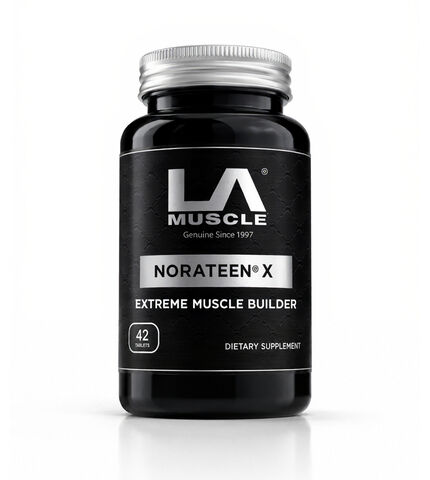
Norateen X
Extremely Strong Norateen - Insane 5kgs muscle gains
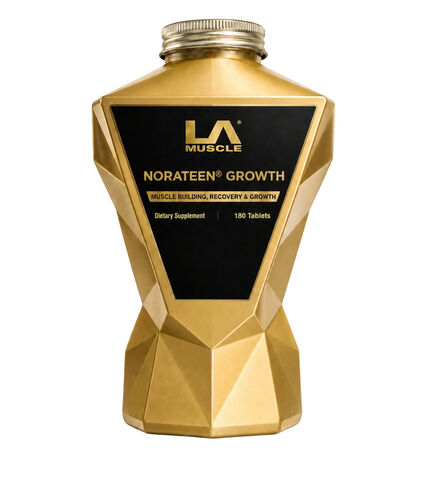
Norateen Growth
Strongest HMB, BCAA & Testo Supplement In The World